Best Business News Sites for Entrepreneurs
Compare the best online business news websites for entrepreneurs, see what you can read without paying, and turn useful stories into business decisions.
 7 min read
The best online business news websites for entrepreneurs are useful when a headline affects a real choice. If costs rise, market reporting can explain why; a small-business guide can help you work out a response. Keep one of each in your reading routine, and add a specialist source when you need it.
Best online business news websites by decision
Your current decision is a better filter than the size of a publisher’s audience:
|
Site |
Best for |
What you can use before deciding whether to pay |
Main limitation |
|---|---|---|---|
|
MikeGingerich.com |
Applying business, marketing and technology ideas |
Business and entrepreneurship category pages, plus article previews |
Not a substitute for live market reporting |
|
Business News Daily |
Small-business decisions and how-to research |
Its public small-business guidance hub |
Guides require time to translate into your own numbers |
|
Entrepreneur |
Founder stories and growth ideas |
Its public entrepreneurship homepage and story listings |
A founder profile is not a playbook for your company |
|
CNBC |
Fast markets and company developments |
Its public business and market headlines |
Market movement can drown out operational relevance |
|
Bloomberg |
Markets and global business context |
Its public news and markets headlines |
Full-story access varies; depth may exceed a small firm’s needs |
|
The Wall Street Journal |
Business and financial reporting |
Public headlines and story descriptions |
Full access is sold as a subscription |
|
BBC Business |
A broad view of economic and workplace developments |
Its public Business section headlines |
Global stories need translating into local decisions |
The “before paying” column shows where to start browsing. It does not mean you can read every full story for free. Access varies by story and publisher.
Business news sites worth a founder’s time
MikeGingerich.com: practical ideas across business functions

If a problem crosses departments, start with the MikeGingerich.com business section. You can move between entrepreneurship, marketing, technology and operations in one place. That breadth helps when a new AI tool affects customer acquisition as well as your team’s workload.
The public category pages show you the topics before you select a guide. For a narrower founder question, browse the entrepreneurship section. For earnings or fast market news, use a reporting outlet instead.
Business News Daily: small-business guidance
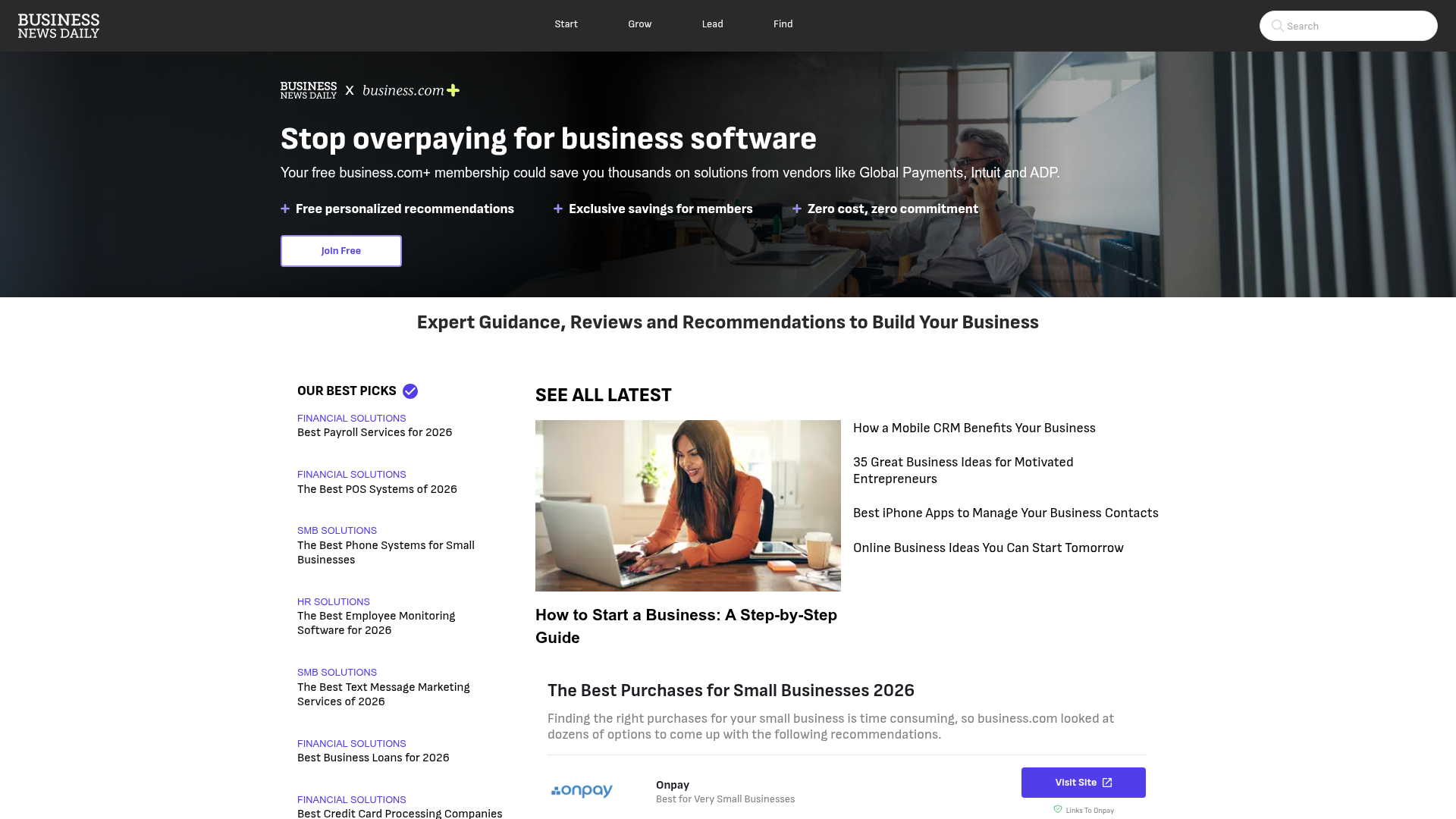
Business News Daily offers guidance for starting and growing a business. A headline about a new expense might send you there to compare vendors or think through a process change.
Its public homepage points to guides. Use them to organize your options, then put your own costs and constraints beside the recommendations.
Entrepreneur: founder perspective
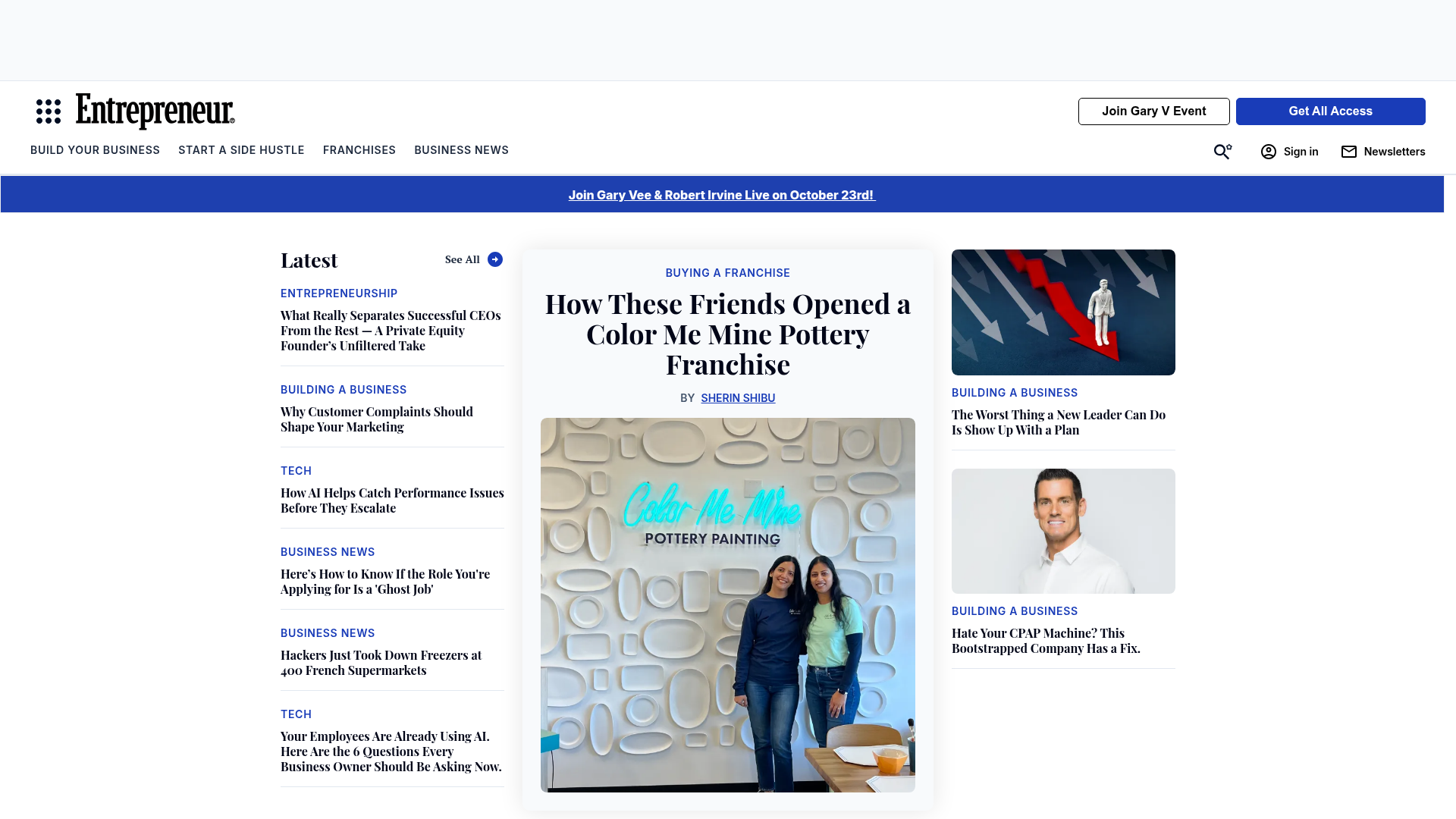
Entrepreneur covers founder news, small-business management and growth strategies. Read it for an approach you might investigate, rather than for a running market feed.
Browse story topics on its public homepage. A founder’s result can prompt a useful question, but it cannot forecast yours: you may face different customers, timing and resources.
CNBC: quick signals from markets and companies
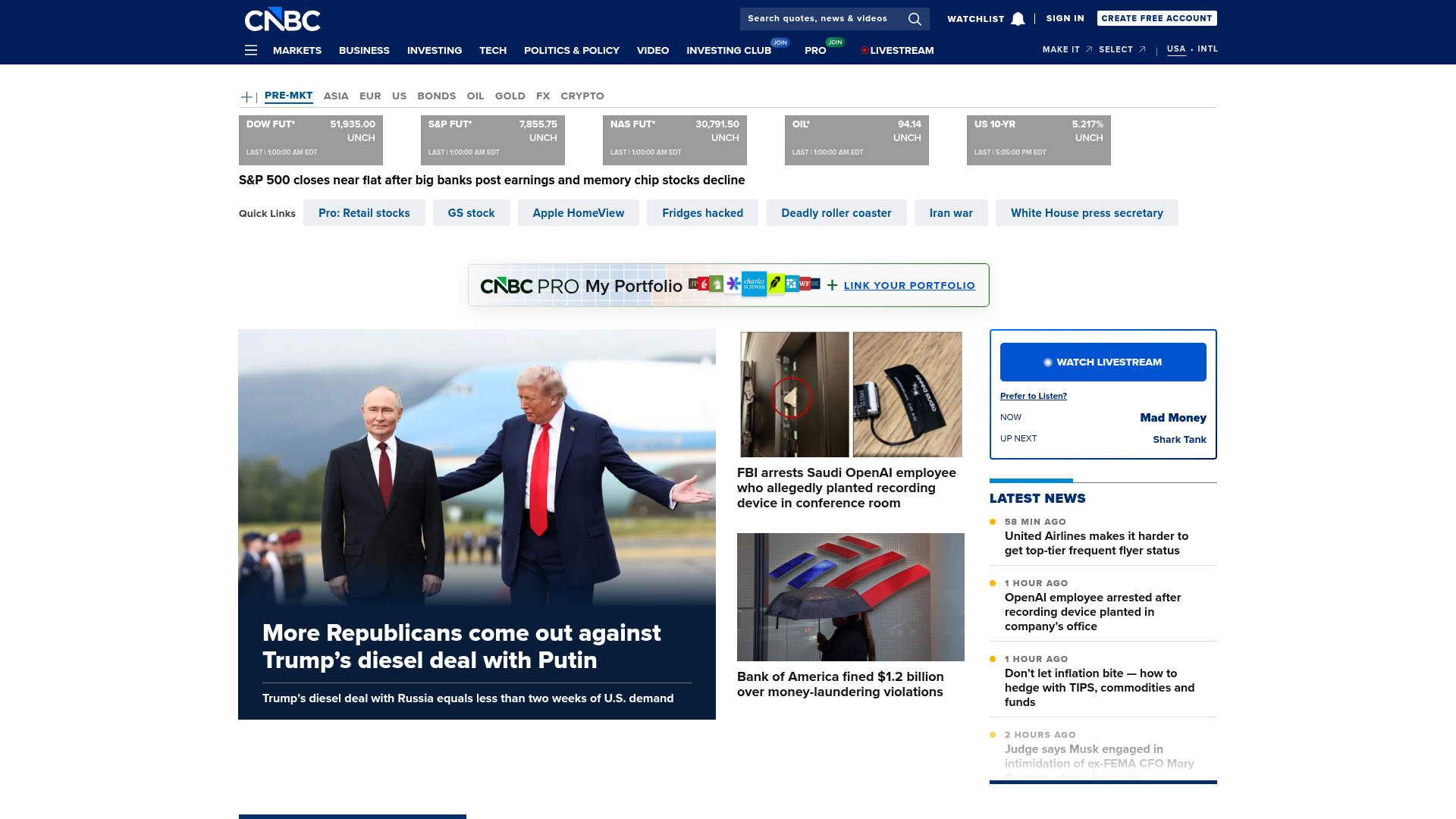
CNBC reports business news and covers financial markets in real time. A quick scan makes sense if lending conditions, customer budgets or a public company’s plans affect your business.
Start with its public business and market headlines. Before changing prices after a volatile trading day, find a link to your customers, suppliers or financing.
Bloomberg: deeper market context
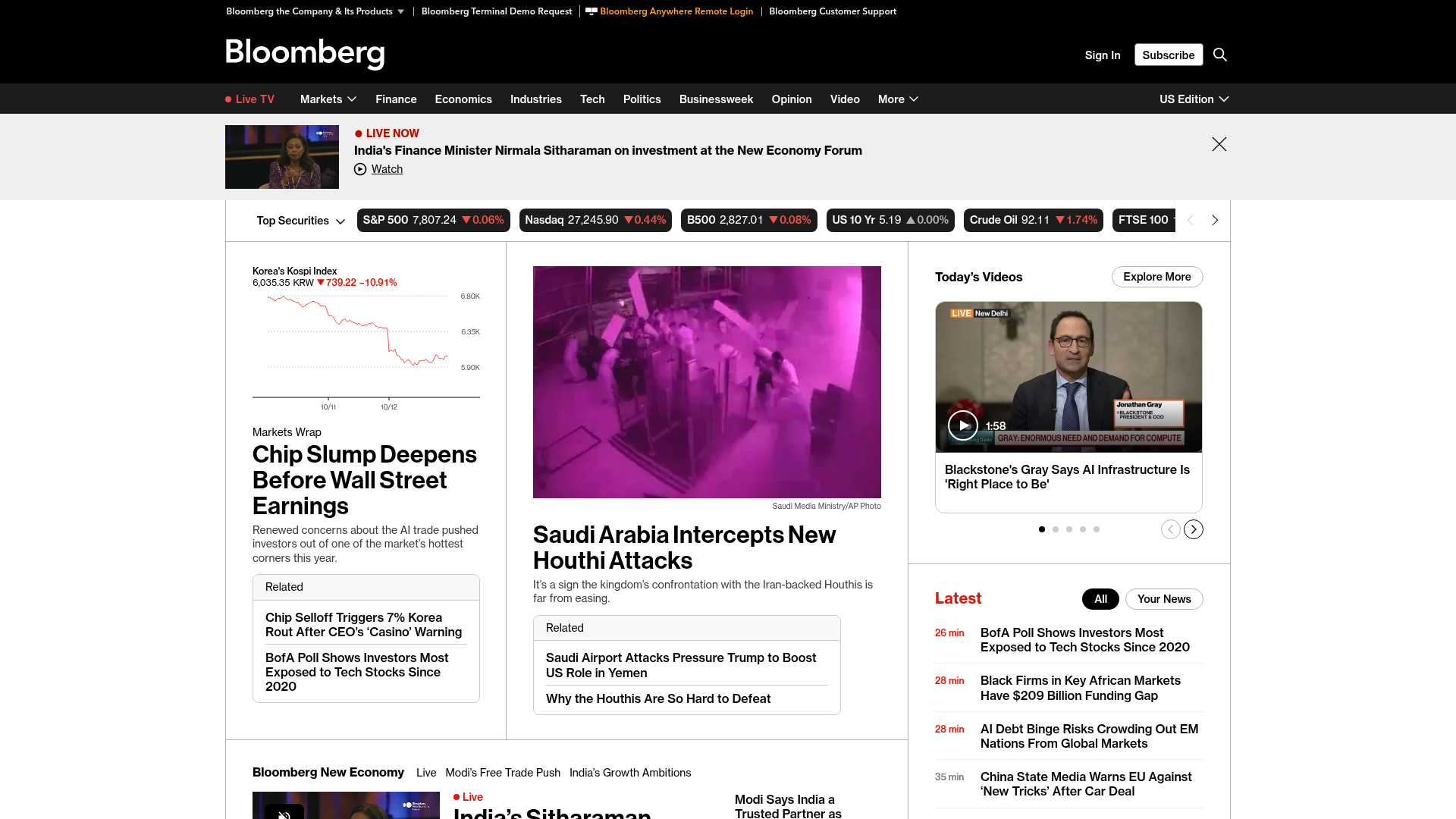
Bloomberg pairs business reporting with markets data and analysis. Follow it if financing, a major customer or international developments could change your plans.
Its public homepage shows story topics and market coverage, though access to full stories varies. If you mainly make local staffing and marketing decisions, you may rarely need this level of market detail.
The Wall Street Journal: business reporting for higher-stakes calls
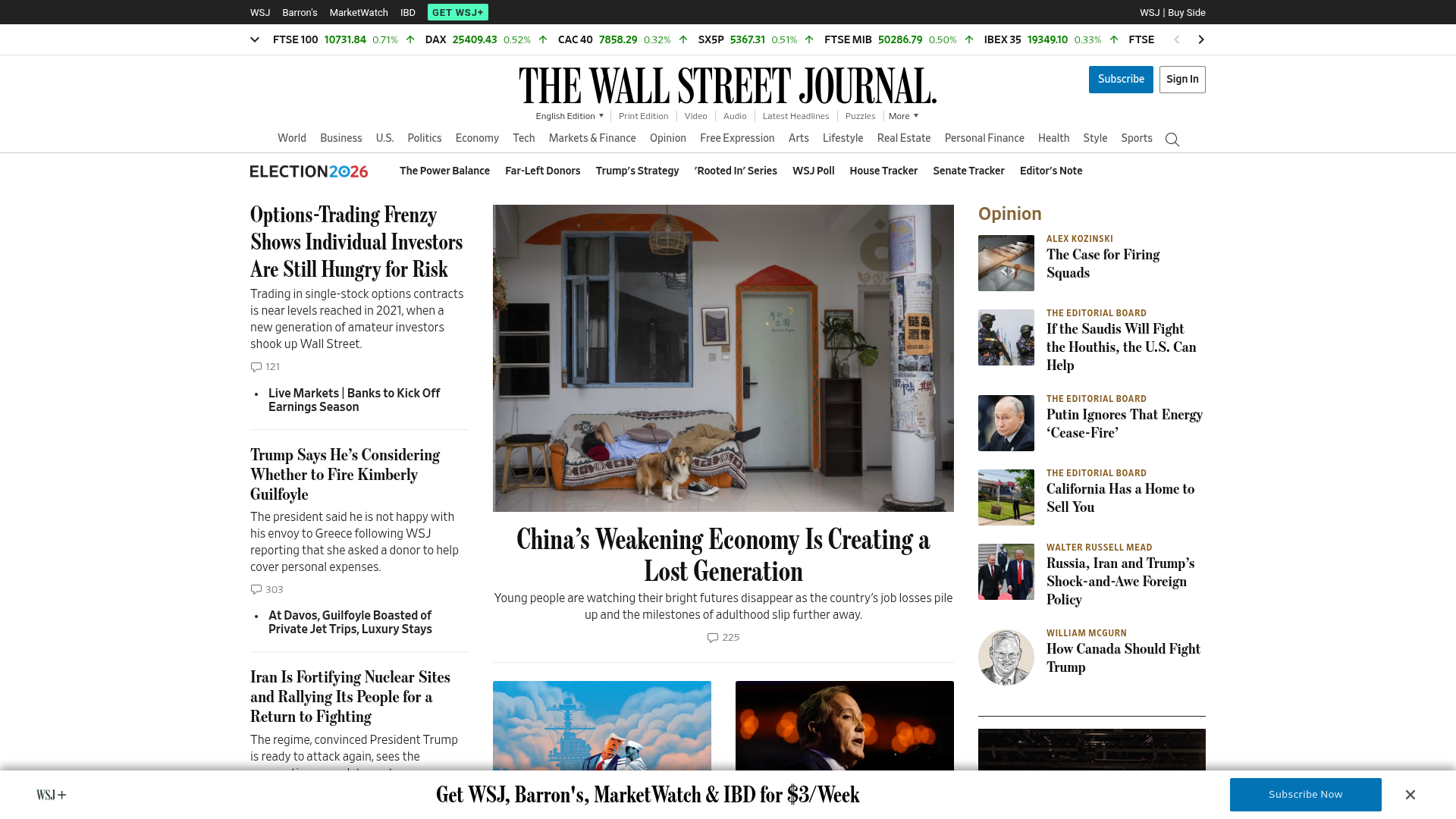
The Wall Street Journal covers business and finance. Its reporting suits a founder tracking a sector, large customer or policy change over time.
You can scan headlines, but the publisher sells full access by subscription. A subscription makes more sense if you need to follow a development over weeks than if you only want a quick headline check.
BBC Business: a wide-angle check

BBC Business covers the economy, technology, work, companies and personal finance. It can bring an issue outside your usual industry feed to your attention.
Scan topics in its public Business section. A global story may have little bearing on a local service business unless it changes what customers buy or what suppliers charge.
What can you read without subscribing?
All seven sites have public pages you can browse. Some stories may still sit behind a subscription. The Wall Street Journal sells full access, and a headline on any publisher’s homepage does not guarantee that you can read the article.
Begin with the public pages. If a story you need is locked, look for a company announcement or government release before you act on its headline. Consider paying when a publication gives you details you cannot find in the sources you already use.
Turn one story into a business decision
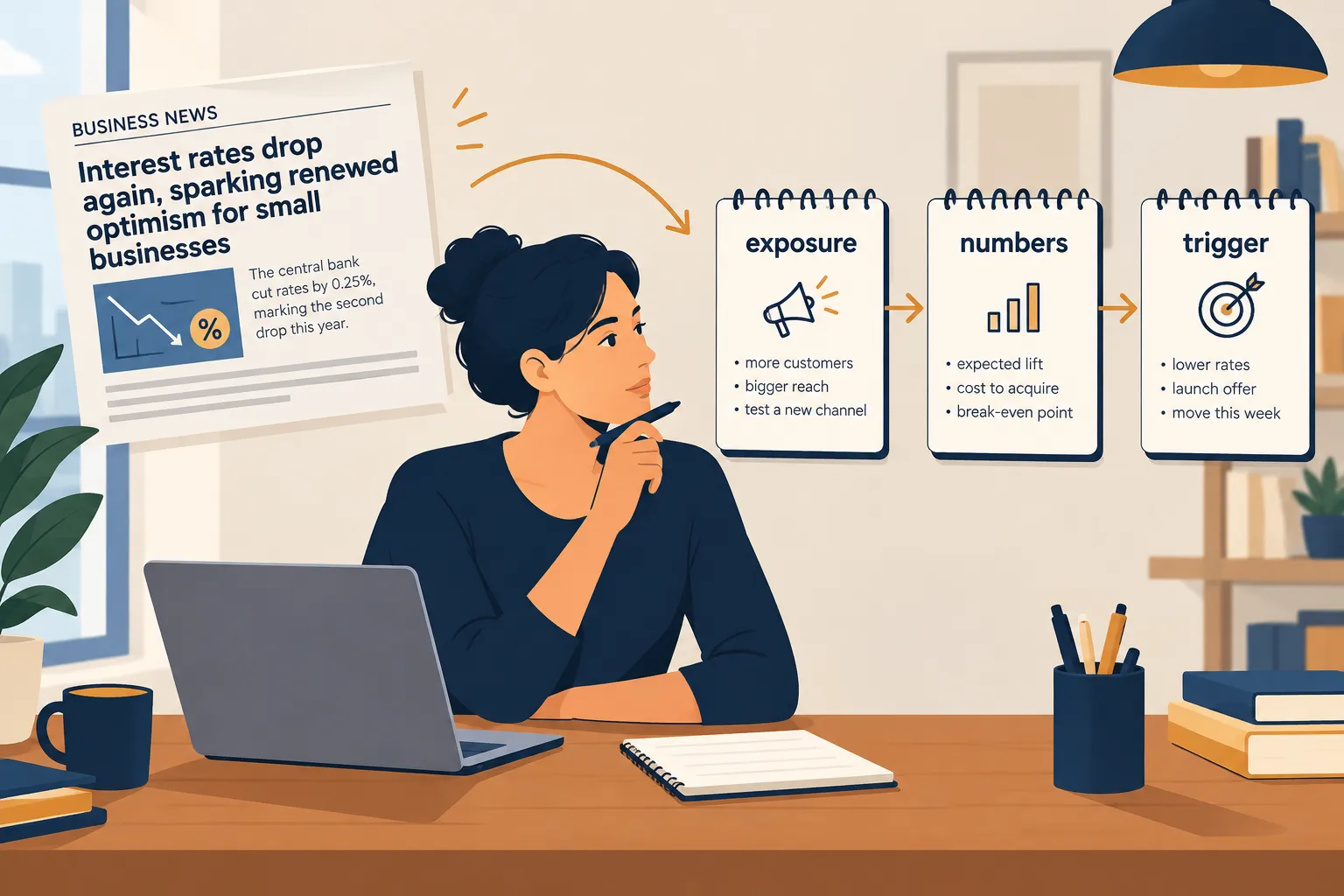
In NFIB’s September 2026 survey, only 7% of owners, seasonally adjusted, considered it a good time to expand. Use that finding to understand their outlook, then calculate whether an expansion works for your company.
“Only 7% of surveyed owners, seasonally adjusted, said September was a good time to expand their business.” – NFIB, Small Business Economic Trends
Suppose borrowing conditions change. Before revising your expansion plan or price list, work through the effect on your business:
-
List the debt you plan to renew, suppliers that borrow heavily and customers whose spending depends on credit.
-
Read beyond the headline to learn what changed, who is affected and when. Use the original announcement when possible.
-
Recalculate a relevant monthly payment or cash buffer with your own figures. If the change barely affects you, stop there.
-
Write down the number or event that would prompt action, the person responsible and the date you will revisit the decision.
You can use the same steps for a platform policy update or a new AI capability. If the question concerns customer acquisition, use inbound lead generation tactics to design a test. Sometimes the numbers will tell you to leave your plan alone.
A reading routine that does not eat your morning
Give CNBC or BBC Business a brief daily scan. If a story affects your company, follow the relevant claim back to its source. Each week, use Business News Daily or MikeGingerich.com to tackle an operational question. For growth issues, start with small-business growth advice.
Read Bloomberg or The Wall Street Journal more often when you need to track financing, a sector shift or a major customer. Drop a feed from your routine if you cannot name a decision it supports.
The bottom line
Start with CNBC or BBC Business for a broad scan, then use Business News Daily or MikeGingerich.com to work through a practical question. Try MikeGingerich.com when a decision spans marketing, technology and operations; you can read across those subjects in one place. Add deeper financial reporting when a live decision warrants the time or subscription.
FAQ
What is the best source for business news?
The best source depends on the decision. CNBC and BBC Business suit a broad news scan, while Business News Daily and MikeGingerich.com are better starting points for practical small-business questions. Add Bloomberg or The Wall Street Journal when you need sustained market or sector coverage.
What is the best unbiased financial news source?
No publisher should be your only source for a financial decision. Compare the underlying facts in coverage from outlets such as Bloomberg, CNBC and The Wall Street Journal, then consult the original company or public-agency announcement where possible. Separate reported figures from commentary and apply the numbers to your own situation.