5 Things You Should Consider Before Buying a Cummins-Powered Ram
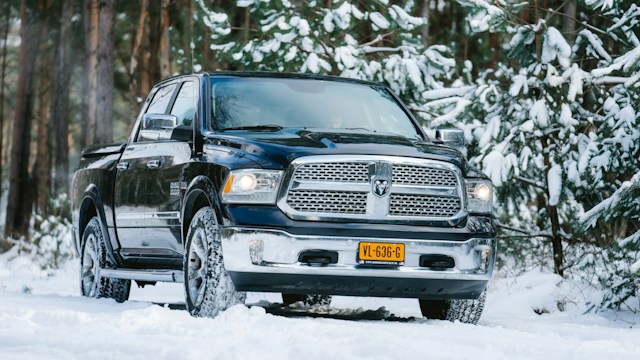
If you’re in the market for a new truck, you’re bound to hear praises about the Cummins-powered Ram. And rightly so! The Cummins has a legendary reputation for power, durability, and long-term value. Thus, making it a fan-favorite among truck buyers. But, you see, the Ram isn’t your average pickup truck, and making an informed decision will set you up for years of adventures.
Here are five pivotal factors you should weigh in on before opening your checkbook:
#1. Reliability and Performance of Cummins
One of the main reasons people select the Cummins option is for the extra performance it provides.
Diesel Power Products notes that Cummins holds the title for the longest-running diesel engine in a pickup truck by a wide margin. With over 350 horsepower, 850 lb-ft of torque, and a towing capacity of up to 37,000 pounds, the Cummins engine offers tremendous pulling power, acceleration, and fuel efficiency compared to gas V8 alternatives.
This makes it a perfect fit for off-road adventures and towing heavy trailers. The Cummins is also built with strength in mind, known for hitting 300,000 miles or more with proper maintenance.
If you plan to push your truck to its limits often, the Cummins is likely the best match. However, this extra muscle comes at the cost of a reduced fuel economy. So, ask yourself: ‘Will you be regularly towing trailers or traveling steep mountain passes?’ and select accordingly.
#2. Fuel Efficiency and Environmental Impact
Going with the diesel engine does provide a fuel economy advantage over the standard gas V8s. On average, diesel engines offer 20 to 35% better mileage than their contemporary counterparts.
Moreover, Cummins engines are known for their durability and reduced environmental impact. Simply put, these engines will also help you save money on fuel costs while reducing your carbon footprint. But, remember that the real-world economy will depend on your driving style and load.
As for the environmental impact, diesel trucks are considered equal to gas trucks when it comes to meeting emissions standards.
However, recently, Cummins has been accused of installing defeat devices on their engines, which helped trick the air pollution controls. For this, the United States Department of Justice has fined Cummins with a penalty of $1.675 billion. In response, the Indiana-based engine manufacturer has recalled several makes and models of those trucks.
#3. Aftermarket Performance Upgrades
One advantage of choosing a Cummins-powered Ram is you get a wide selection of Cummins performance parts to enhance its performance even further.
By adding a tuner, exhaust, intake, and other modifications, you can unlock more horsepower, torque, and speed capabilities from your truck. But, as appealing as this sounds, remember that adding extra parts will strain the engine components. Which in turn leads to decreased reliability or efficiency if you’re too aggressive with the upgrades.
Not all modifications may be emissions-compliant, either. Quality parts from trusted brands provide a balance of added performance while maintaining the integrity of your Cummins engine.
#4. Maintenance and Service
Owning a vehicle involves ongoing maintenance and associated costs. Cummins engines are no exception, as they need regular maintenance to ensure longevity.
While Cummins engines are known for durability, they do cost more to maintain over time. Major repairs are less frequent as compared to gas engine repairs, but they cost more than their counterparts. Oil changes, fuel filters, belts, and other routine maintenance items tend to run about 20-50% higher compared to gas trucks. Major repairs like rebuilt turbos, injector issues, etc. can also be pricier.
If you install any aggressive performance parts, be aware it may cause more wear and tear and increase your repair costs. Set aside more for maintenance if you choose the Cummins route. Factor these costs into your budget and consider extended warranties for peace of mind.
#5. Intended Use and Lifestyle
Before selecting the Cummins, reflect on how you plan to use your truck and whether it fits your lifestyle. For many truck owners, the standard gas V8 has more than enough capability, even if the Cummins specs sound enticing on paper.
Do you frequently tow heavy equipment and need the diesel’s extra torque? Or will you use it for off-roading? Perhaps you’ll use it for daily commuting and as a status symbol.
Answer these questions and make sure the answers align with your needs and budget. The Cummins ram represents a major investment, so you want to pick it for the right reasons, not just the perception. Consider test-driving both models. If you don’t require heavy daily hauling, the gas engine may suit your needs fine at a lower upfront cost.
Remember, your ideal Ram should complement your lifestyle. Don’t let the excitement cloud your judgment; choose the truck that fits your needs and makes your everyday adventures, well, adventurous.
In conclusion, picking a Cummins-powered Ram is a significant decision, and considering these five factors will help you make an informed choice.
While the Cummins offers unmatched capability and durability, it also commands a premium price. Carefully weigh the benefits of extra torque and long-term value against potentially higher upfront and maintenance expenses. Talk to other Cummins owners to hear real-world experiences.
If towing heavy loads is a regular task, the investment in a Cummins ram could pay dividends for years to come. But for light-duty hauling, a gas engine still gets the job done and saves money.
By carefully evaluating these aspects, you can ensure that your Cummins-powered Ram is well-suited to your needs and preferences, providing you with years of adventure and reliability.