
Best Online Business Courses for Founders in 2026
Explore the best free online business courses for founders in 2026, comparing skills, free access, time demands, and practical launch decisions.
 8 min read
The best free online business courses help you make a decision you face now. Still shaping an offer? Start with business fundamentals. Already selling but struggling with cash flow? Study finance or operations. To reach more buyers, choose marketing and put one lesson to work this week.
Free access to lessons may come with a separate charge for a certificate. A catalog also requires you to select an individual class. Keep both distinctions in mind as you choose where to start.

Start with the decision you need to make
Before enrolling, write down the question you need to answer. You might need to identify your customer, price an offer, find buyers or change how your team works. Choose a course that helps you decide.
-
Before your first sale, study business fundamentals and draft a basic business plan: who you serve, what you offer and how you will reach them.
-
If margins or cash flow are uncertain, study finance and money management using your own figures.
-
If growth has stalled, learn one marketing channel and plan a small campaign you can measure.
-
For a new product or process, study strategy and innovation, then test an assumption before committing resources.
Protect time for one lesson and one related business task. If you can fit that into your week, consider a longer sequence. If the idea itself needs work, pair the class with startup advice for founders.
Best free online business courses worth starting with
The U.S. Small Business Administration has an on-demand learning platform for owners who need startup fundamentals:
“Free, on-demand online courses covering essential business topics from startup fundamentals to growth strategies.” – U.S. Small Business Administration
You can fit its courses between other commitments. If you already know where you need help, the providers that follow give you more ways to focus your study.
1. My Own Business Institute: Start with the business itself
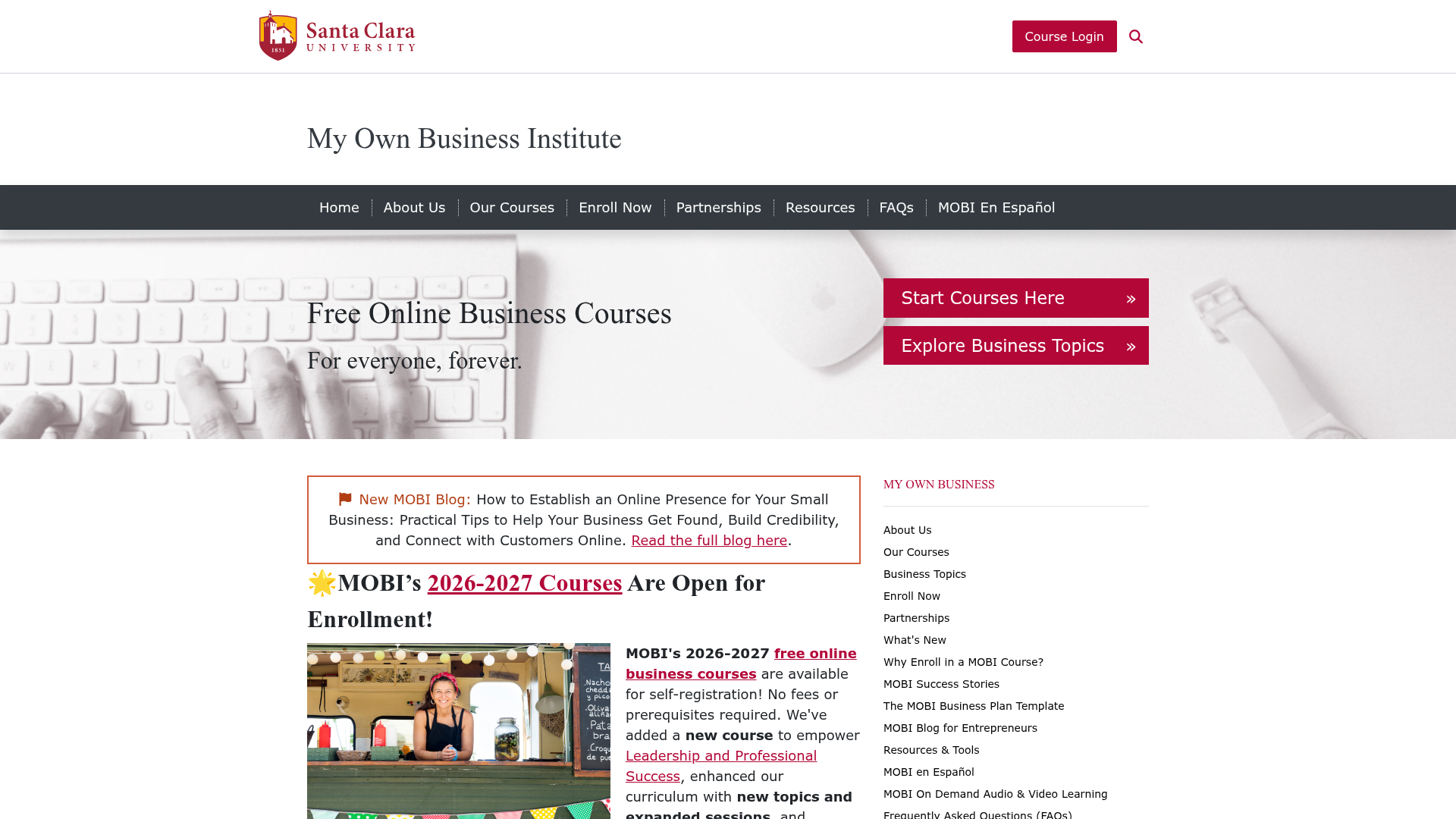
Santa Clara University’s My Own Business Institute (MOBI) offers free online courses for aspiring entrepreneurs starting and growing a business. You can register yourself without fees or prerequisites. For a founder turning an idea into a workable plan, it is a direct place to begin.
As you study, draft a one-page description of your customer, offer, sales path and basic costs. Bring a real business idea to the lessons. If you already have sales and need to solve an advertising or accounting problem, choose a focused subject course instead.
2. Harvard University’s free business catalog: Pick a subject, not a badge
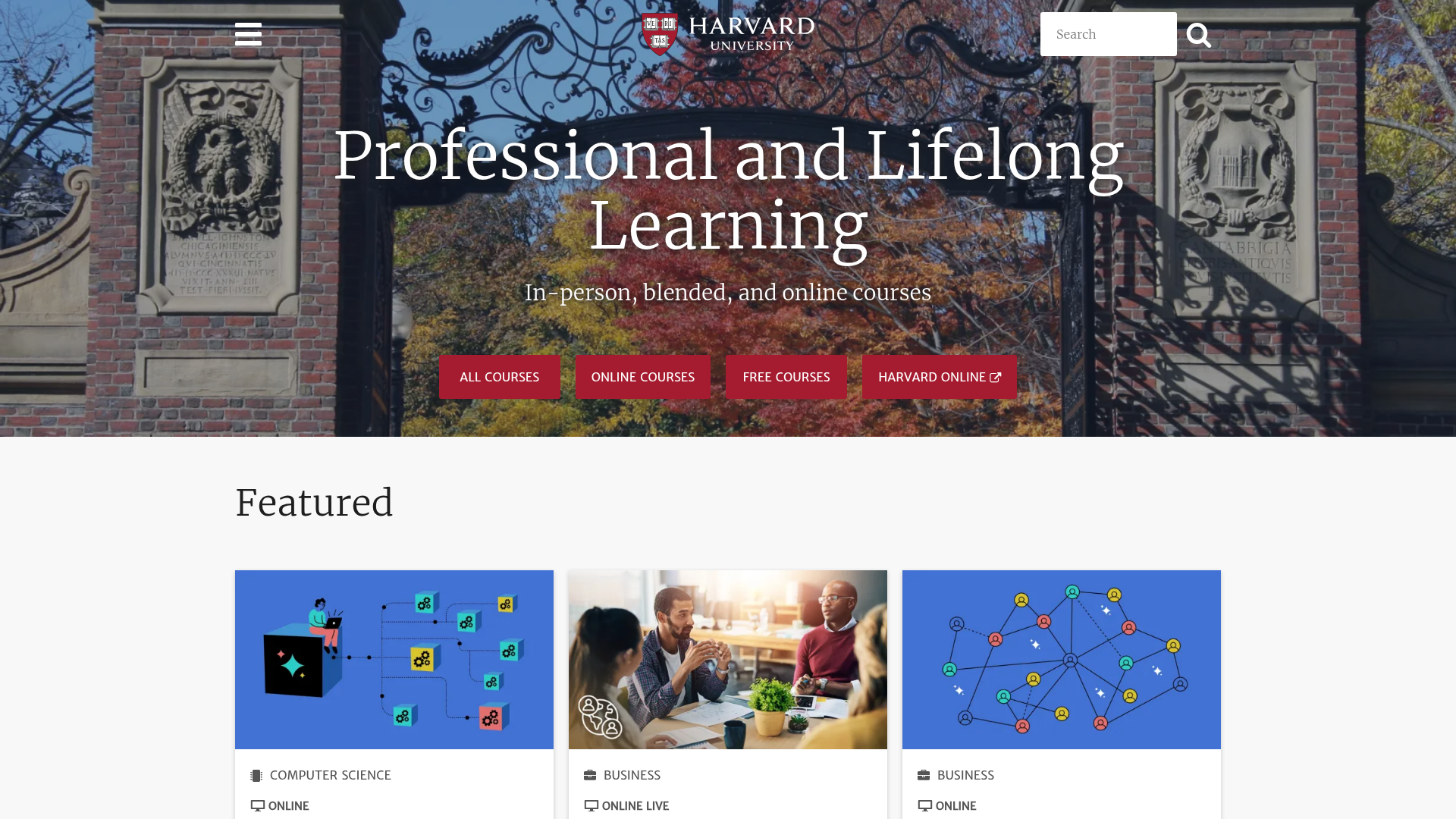
Harvard’s online learning catalog lets you filter for free business courses. You choose an individual class rather than follow a prescribed founder curriculum. Find a subject tied to your current decision and read that class’s description before setting aside time.
Harvard’s catalog is useful when you can name the skill you want to build. A founder-focused course makes more sense if you need a step-by-step launch path. The free filter applies to the learning options it displays; read the class terms for any credential or extra service.
3. OpenLearn: Build confidence with business and finance basics
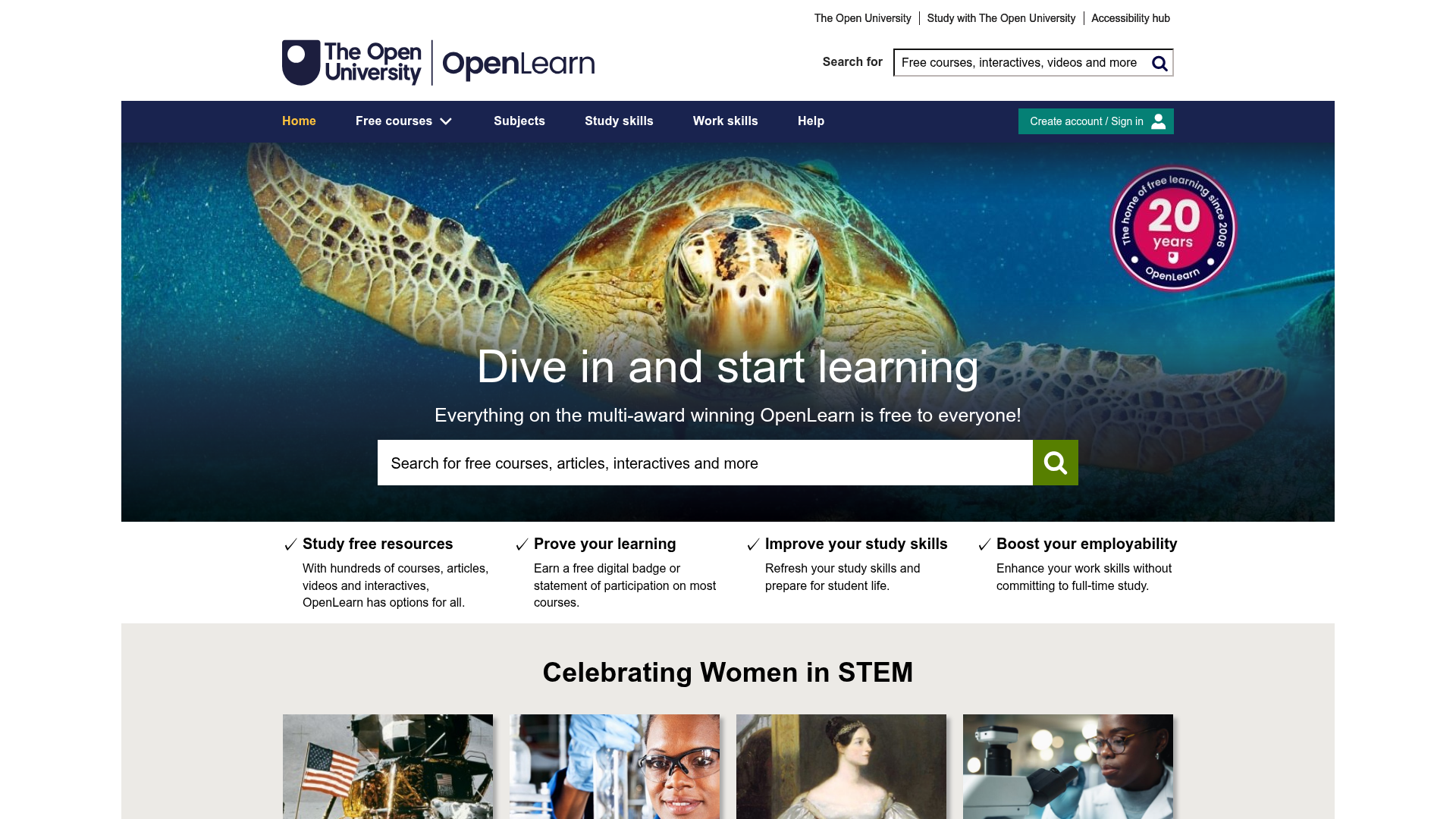
The Open University’s OpenLearn offers free courses in finance, economics, business, leadership and management, marketing, and human resources. If you handle budgets, staff and sales yourself, you can choose the subject that is causing trouble this month.
If you are unsure whether you can afford a new hire, study money management and draft a budget with your figures. OpenLearn covers broad subjects; you will need to apply what you learn to your own market. It can also help you build leadership skills as your team grows.
4. Coursera’s business catalog: Go narrow when the problem is narrow
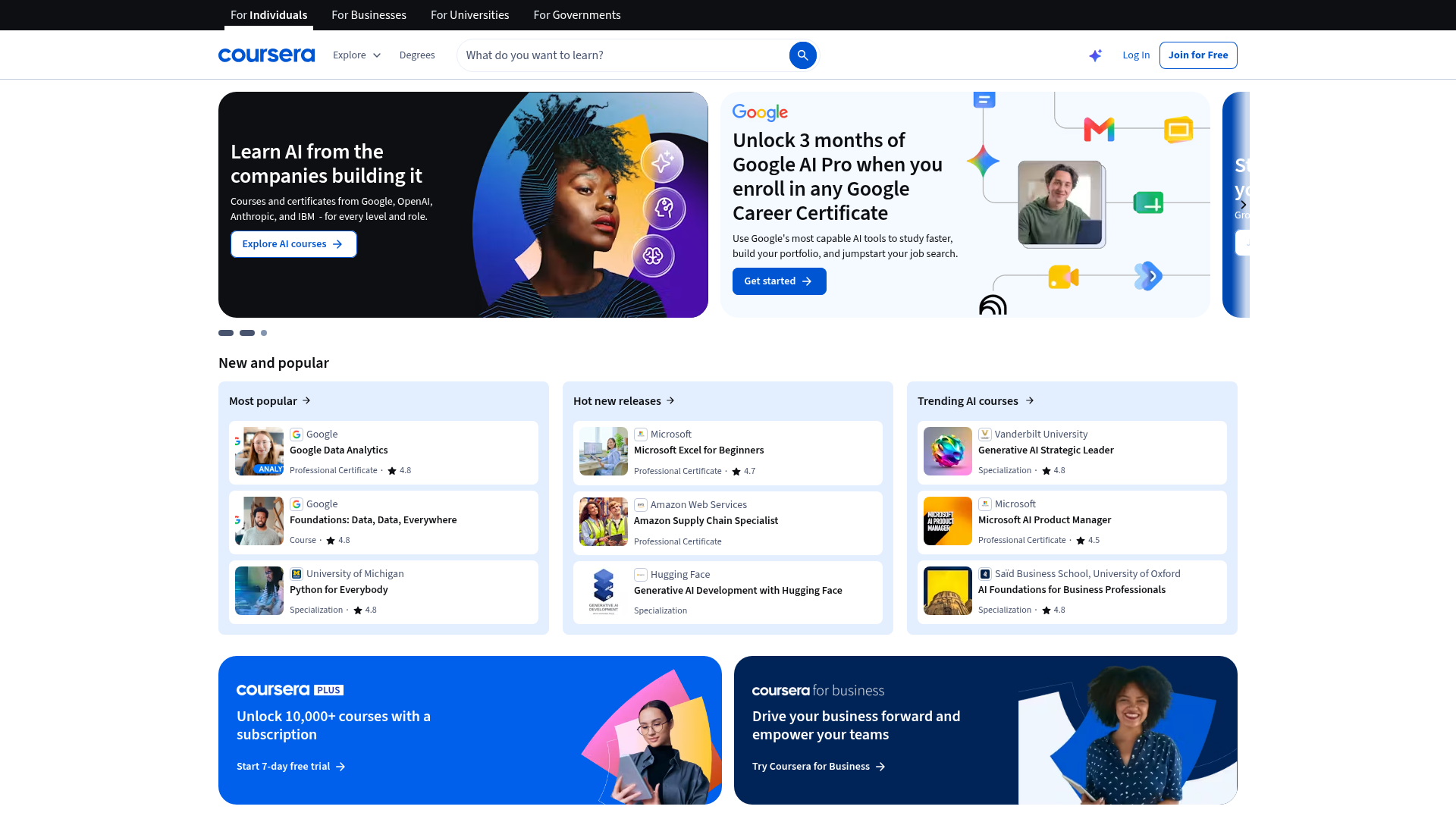
Coursera lists business courses across leadership, financial management, marketing and entrepreneurship, including free learning options. Search by the skill you need: reading a financial statement, for instance, or building an online presence.
Coursera mixes free learning options with other enrollment terms. Read the class details if you want a certificate, too. Still deciding what kind of company to build? A founder-focused course will keep your study closer to that decision than several specialist classes.
5. MIT’s free entrepreneur and innovator courses: Explore a strategic bet
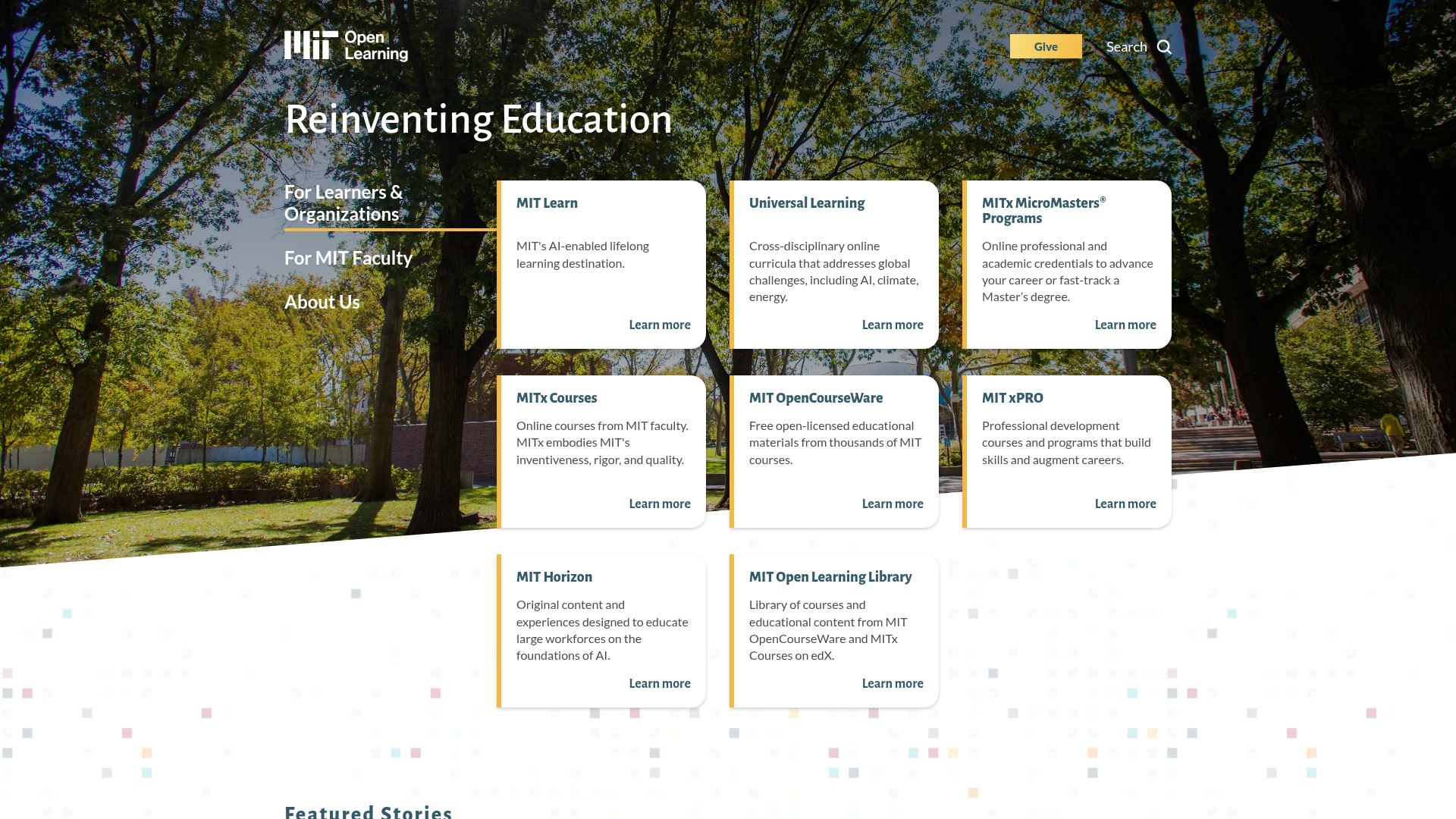
MIT Open Learning highlights free online courses for entrepreneurs and innovators in technology, business strategy and leadership development. Consider them when you are weighing a new product, a technical opportunity or a change in how your company operates.
For a new service, write down what must be true for it to pay off and how you could test that assumption at low cost. If you have yet to define a customer or make a first sale, tackle launch fundamentals first.
Compare the options by skill, cost and time
Use the table to match a skill to a course provider. The time column suggests how to fit study around work; it does not give published course durations. In a catalog, each class has its own requirements.
|
Option |
Best starting skill |
Free access shown |
Time approach for a busy owner |
Decision to make afterward |
|---|---|---|---|---|
|
MOBI |
Starting and growing a business |
Free online courses; no fee or prerequisite to self-register |
Follow a course sequence, applying each part to your idea |
Is the offer and route to market viable enough to test? |
|
Harvard free business catalog |
A selected business subject |
Free-course filter; terms depend on the class |
Pick one class tied to a current decision |
Which idea from the class changes your plan? |
|
OpenLearn |
Finance, management, marketing or HR basics |
Free courses in these subjects |
Study one topic, then use it on your own figures or processes |
What needs to change in your budget or workflow? |
|
Coursera business catalog |
A targeted specialist skill |
Free learning options within a mixed catalog |
Enroll in one relevant course, not several at once |
What can you implement from the first module? |
|
MIT entrepreneur offerings |
Strategy, technology or leadership |
Free online courses highlighted by MIT Open Learning |
Focus on the material that addresses one strategic bet |
What assumption should you test before investing further? |
If you want a certificate, distinguish lesson access from credential access. If you need to solve a live business problem, apply one free module before committing to a longer course.
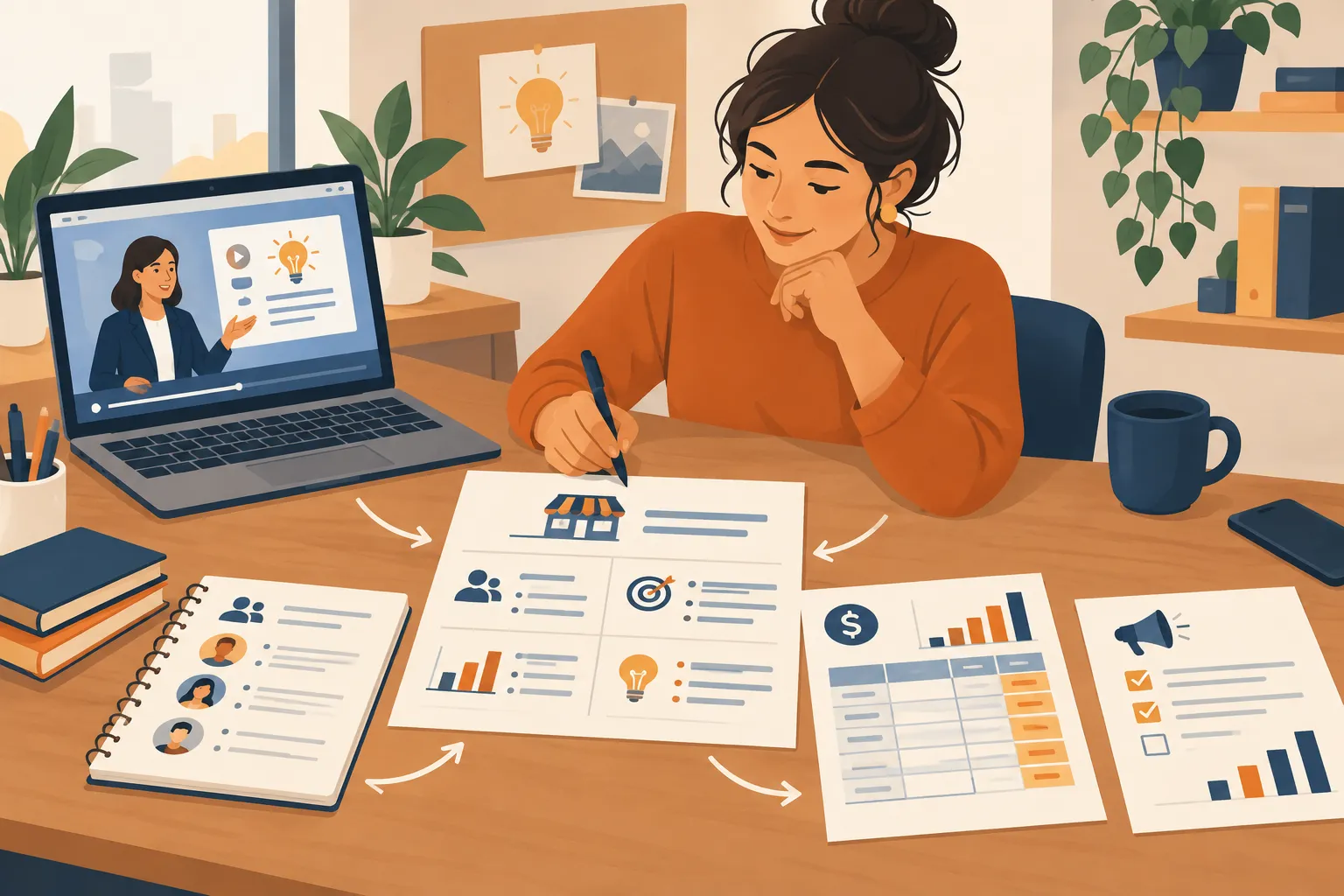
Turn the lesson into a business decision
A lesson earns its place on your calendar when you use it at work:
-
Frame a decision you can act on, such as whether to offer monthly maintenance, rather than a broad goal to “learn strategy.”
-
Leave the lesson with something you can use: a customer interview script, a simple budget or a draft campaign.
-
Test it on a small scale. Talk to prospective buyers, compare costs with likely revenue, or put a limited marketing message in front of an audience. If a campaign falls flat, look at why digital marketing campaigns underperform before spending more.
-
Based on what you learn, decide what to continue, change or stop.
You can make a better decision without finishing every class in a catalog.
When a business reading hub works better than a course
A course takes you through a subject in sequence. Day-to-day business questions rarely arrive in that order. MikeGingerich.com publishes articles rather than courses or credentials, with coverage of digital marketing, ecommerce, finance, HR, technology, artificial intelligence and cybersecurity. You can turn to its practical reading on customer service or social media when those issues come up.
Take a free course for a defined skill, then read around the questions that arise in practice. For a people-management issue, building a high-performing team from day one can inform your next move. Articles lack the structured progression of a course, so start with a course if you need foundational instruction.
The bottom line
If you are still building the business, start with MOBI. Its free courses focus on starting and growing a company, and you can self-register without fees or prerequisites. For a specific skill gap, select a subject in OpenLearn, Harvard’s free catalog or Coursera. MIT’s entrepreneur offerings suit a strategic or technical decision.
Put one lesson to work first. For the next question about growth, operations or technology, use MikeGingerich.com alongside your course.
FAQ
What is the best online business course?
For someone planning a first business, MOBI is a strong free starting point because its online courses focus on starting and growing a company. If you have a specific marketing, finance or management problem, choose a course in that subject instead of a general launch program.
Who offers the best free online courses?
MOBI offers free business start-up learning; OpenLearn offers free courses across business and finance subjects; and Harvard’s catalog lets you filter for free business courses. The best provider depends on whether you need a launch path or a specific skill.
Is Coursera really free?
Coursera advertises free learning options in its business catalog, but that does not mean every course or certificate is free. Look at the enrollment and credential terms for the individual course before you begin.
