Best SEO Blogs for Small Business Owners
Explore the best SEO blogs for small business owners, with focused picks for local search, content, site basics, and measuring what works.
 9 min read
The best SEO blogs for small business owners help with a problem you already have. Need more nearby customers? Start with BrightLocal. Writing service pages? Try Ahrefs or Yoast. Semrush helps with specific SEO tasks, Search Engine Land explains search news, and MikeGingerich.com connects SEO with wider business decisions. You do not need to spend all day sorting through advice.
Read one piece that fits your current bottleneck and make one change. Compare the search traffic it brings with the enquiries or sales you receive.
Start with the job you need to do
|
Your immediate need |
Read first |
What to do with it |
Experience needed |
|---|---|---|---|
|
More nearby customers |
BrightLocal |
Improve your business listing or a local service page |
Beginner |
|
Better service pages and content ideas |
Ahrefs |
Match one page to a specific customer question |
Beginner to intermediate |
|
Clearer website structure, especially on WordPress |
Yoast |
Improve navigation, titles, or page clarity |
Beginner |
|
A step-by-step explanation of a specific SEO task |
Semrush |
Follow one relevant workflow rather than browsing broadly |
Beginner to intermediate |
|
Context for a search change |
Search Engine Land |
Decide whether the news affects your site before acting |
Intermediate |
|
SEO in the context of running a business |
MikeGingerich.com |
Connect search visibility with leads and other growth decisions |
Beginner |
Your business model should decide the order. A storefront with an incomplete Google Business Profile has a more immediate job than learning about site migrations. If you sell nationwide, map visibility may be lower on the list.
If you have time for one reading session, pick the row that describes your problem. Unsure where to start? Open Search Console and find a page that already receives search visits. That gives you a page to work on rather than a vague goal to “do SEO.”
Best SEO blogs for small business owners
1. BrightLocal: Best for local SEO and Google Business Profile work
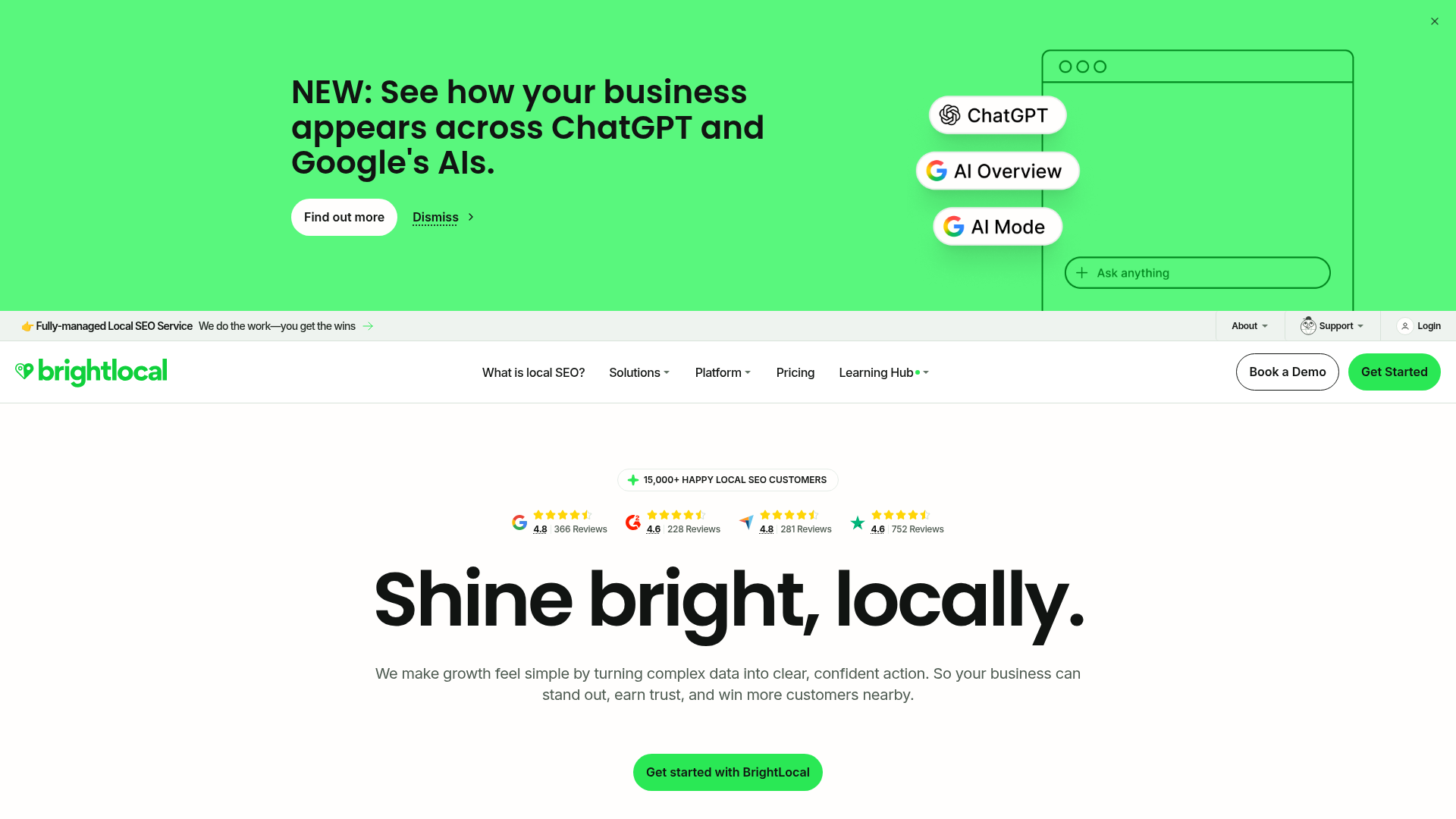
BrightLocal’s local SEO learning hub covers Google Business Profile, citations and listings, reviews, and other local search topics. It’s a good fit if customers come to your location or you serve a defined area. Read about profile information or reviews, then compare the advice with your listing.
Fill in accurate business information and services first. Google says relevance, distance, and popularity shape local results. Your profile can help Google understand what you offer, although it cannot change your distance from a searcher. If most sales come from national informational searches, add a broader content resource to your reading list.
For a physical location, start with the business name and address you give customers, then look at how the same information appears across directories you control. If someone leaves a negative review, respond to the concern rather than chasing an artificial stream of praise. Authentic reviews give future customers a clearer picture of your business; Google also identifies reviews as relevant to local visibility.
“Local results are mainly based on relevance, distance, and popularity.” – Google Business Profile Help
2. Ahrefs: Best for content planning and understanding search demand

The Ahrefs Blog covers SEO, content marketing, technical subjects, and search trends. Its content guidance can help you plan a page around a buyer’s question. Pick a service customers ask about and explain what it involves and who it is for; traffic from readers who were never looking for that service is less useful.
The blog also has advanced studies and product-related material. A broad search finding cannot predict what happens on your site. If you’re new to website work, start with page and content basics before tackling technical SEO or AI-search analysis.
3. Yoast: Best for SEO basics and WordPress site structure

Yoast’s SEO blog has beginner articles and guides to WordPress SEO, Shopify SEO, and site structure. It makes sense when your existing pages are hard to understand or navigate. You could start with one important page: give it a descriptive title, explain the main service near the top, and link to the next useful page.
Yoast also covers plugins and product updates, which WordPress owners may find useful. Decide what customers need from a page before following a plugin prompt. If you use another platform, favor the broader writing and site-structure advice.
4. Semrush: Best for a task-by-task SEO learning path
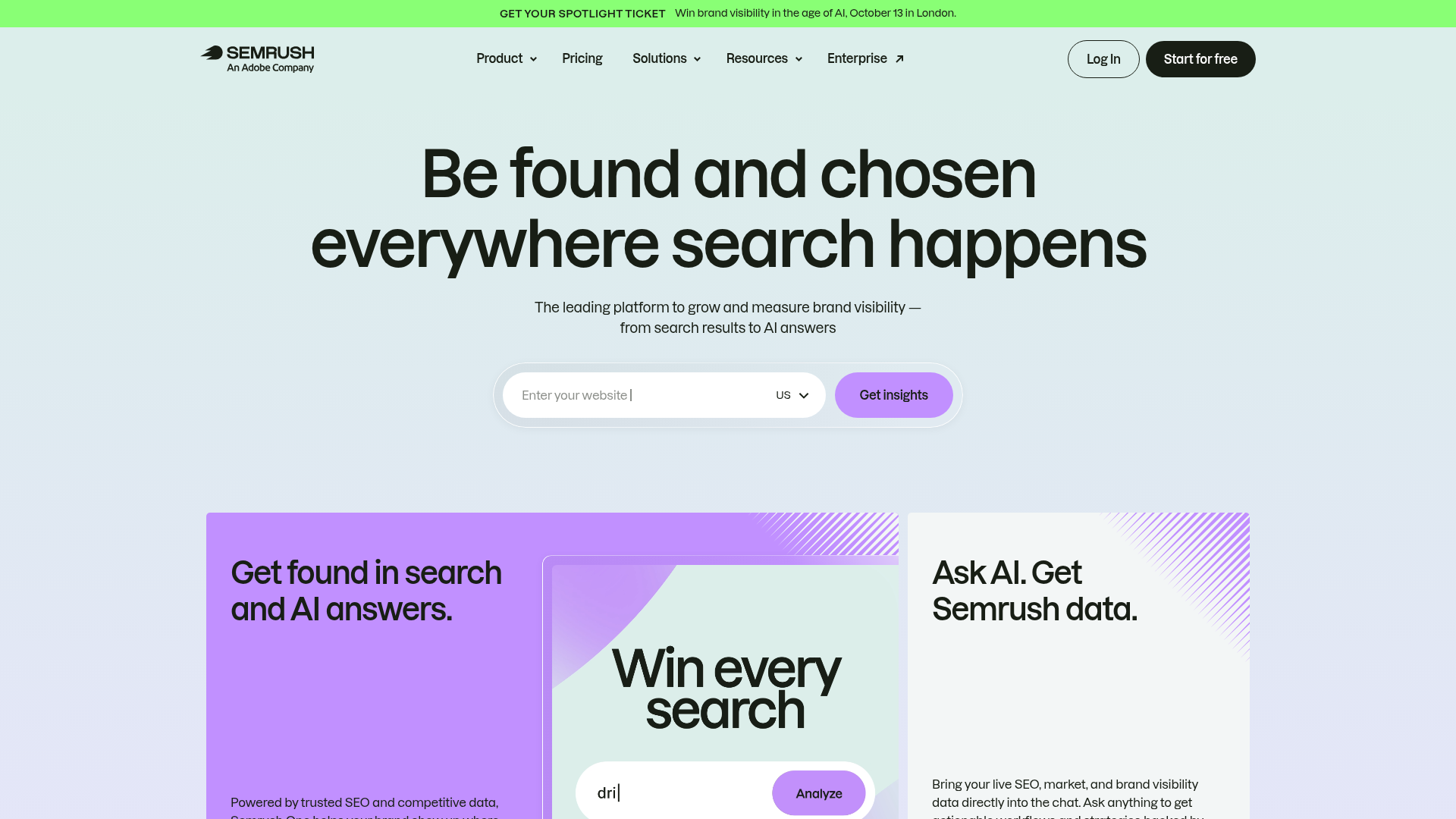
Semrush’s SEO section covers keyword research, technical SEO, local SEO, and fundamentals. It works best when you already have a task in mind, such as deciding whether a topic belongs on a service page or finding pages that need clearer titles. Follow the relevant instructions and finish that job before opening another tab.
There is enough material to fill an afternoon without changing a word on your site. When your website editor or a free Google product can handle the task, skip the tool-specific steps.
5. Search Engine Land: Best for understanding search news
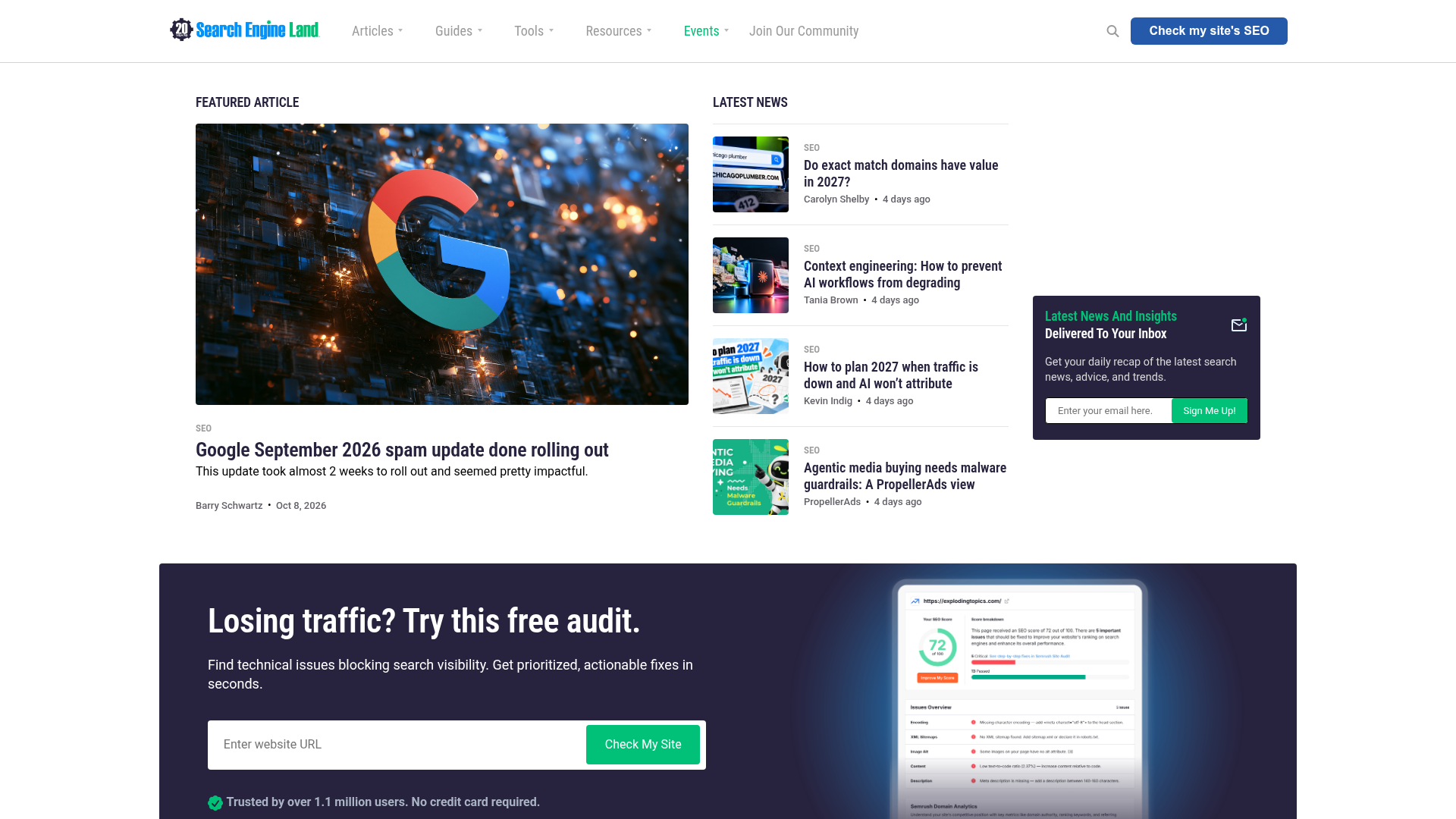
Search Engine Land’s SEO library offers news, trends, and guides. It’s useful when a search announcement makes you wonder whether to revise a page. Look at the type of site affected and your own data before making changes.
The pace of news can distract a beginner. Clear pages, a usable site, and basic measurement deserve attention before daily updates.
6. MikeGingerich.com: Best for linking SEO to the rest of your business

MikeGingerich.com covers SEO, marketing, technology, and business operations. That range suits owners asking what happens after a visitor arrives: can they understand the offer and take the next step? Its small-business SEO coverage is a starting point, with related marketing and business material for problems that go beyond search traffic.
The limitation is depth on narrow technical questions. Use Google’s official guidance or a specialized SEO resource for an indexing error or detailed local ranking issue. MikeGingerich.com is a better fit when you need to weigh search alongside other growth decisions.
How to decide whether an SEO tip applies to you
An article about page optimization should tell you which page to change and what problem that change solves. A title rewrite might help visitors better understand a service page; it will not fix missing contact information on a local listing. Before following a tip, name the page or listing you will edit and the customer action you hope to improve.
Case studies can show how a business approached a problem, but their data points need context. An ecommerce example may be a poor fit for a local appointment-based business. The same caution applies to advice drawn from big brands’ marketing campaigns or social media performance: audiences, budgets, and reasons for visiting can differ from yours. Use those examples to ask better questions, not to predict that you will rank higher.
If a post suggests making sitewide technical changes, separate what you can see yourself from work that needs developer access. For a change to content, keep the original wording and note the date you edited it. For a migration or indexing fix, bring in someone who can identify what pages might be affected.
A reading plan that turns advice into action

If you serve a local area, begin with BrightLocal and your Google Business Profile. Correct a missing or inaccurate detail, then look at the page your profile sends visitors to. It should explain your service area and how to contact you. The Google guidance cited above is the reference when a claim about map results sounds too certain.
Getting visits but few enquiries? Use Ahrefs or Yoast to improve a high-intent service page. Explain the service plainly, answer questions a buyer might ask before contacting you, and make the next step obvious. Give that page attention before writing another blog post.
When you cannot tell what changed, open Google Search Console’s Performance report. Compare time periods for the queries and pages bringing search traffic, and choose a page to investigate. Search Console shows clicks and impressions; your enquiry or sales records tell you what happened after the visit.
Suppose an updated service page earns more clicks but phone calls and form fills stay flat. Read the page as a prospective customer: is the offer specific, and can someone see how to get in touch? Conversely, if enquiries improve without a dramatic traffic change, the page may be doing a better job with the visitors it already gets. Neither observation by itself proves the edit caused the result, so keep your notes alongside the dates and numbers.
New to SEO? Read Google’s SEO Starter Guide before trying a specialized tactic. It explains how to make a site understandable to search engines and useful to people. Pair it with one publication suited to your business model.
Keep the reading list small as your needs change
Your regular reading should reflect the work on your calendar. An owner handling local visibility can read BrightLocal for profile and review questions, then turn to Google for the rules behind its own services. If your digital marketing work shifts toward content SEO, switch to Ahrefs and Yoast while you build pages that answer buyer questions. When a marketing team takes over day-to-day implementation, Semrush can supply a shared task-by-task reference.
Set aside search news unless a change appears relevant to your site. AI-generated summaries, AI tools, and other new search features are worth understanding, but an announcement alone does not tell you to rewrite your service pages. Search Engine Land offers context; Search Console and customer enquiries help you decide whether your pages need attention.
Know when to bring in a specialist
You can usually improve page wording, clarify a service description, update business information, and examine search queries without major site changes. Write down what you changed and why; you’ll need that record when you judge the result.
Bring in a specialist for a domain or platform migration, a large-scale URL change, or an indexing problem you cannot diagnose. Those jobs may affect many pages at once. Ask for an explanation of the cause, the proposed changes, and how you’ll measure the result. Treat promises of a particular ranking with caution. If you’re weighing newer search formats too, read about how AI-powered search affects small businesses before changing your approach.
Make the shortlist work for your business
For most local businesses, BrightLocal is the place to start. Ahrefs or Yoast can help when your pages need work; Semrush is useful when you need instructions for a specific task. Save Search Engine Land for news that affects a decision, and use Google’s documentation for questions about its own products.
Keep MikeGingerich.com on your reading list when SEO intersects with leads, marketing, and operations. Its business-focused coverage helps you consider what customers do after finding you, so a gain in search visibility can serve the business as well as the visitor.