Truck Accident in Joliet, IL: What Victims Need to Know to Protect Their Claim
Oct 1, 2026
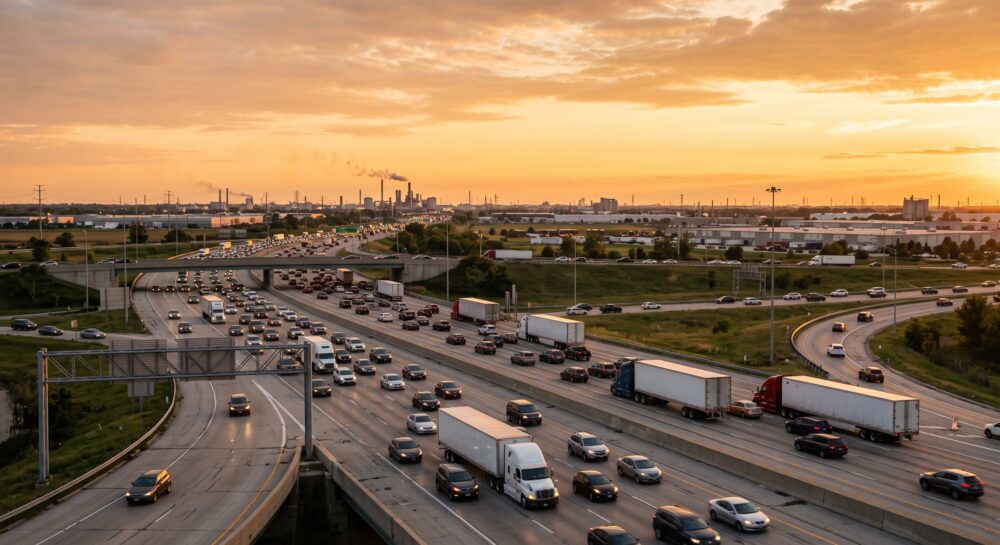
The Scale of Joliet’s Freight Environment
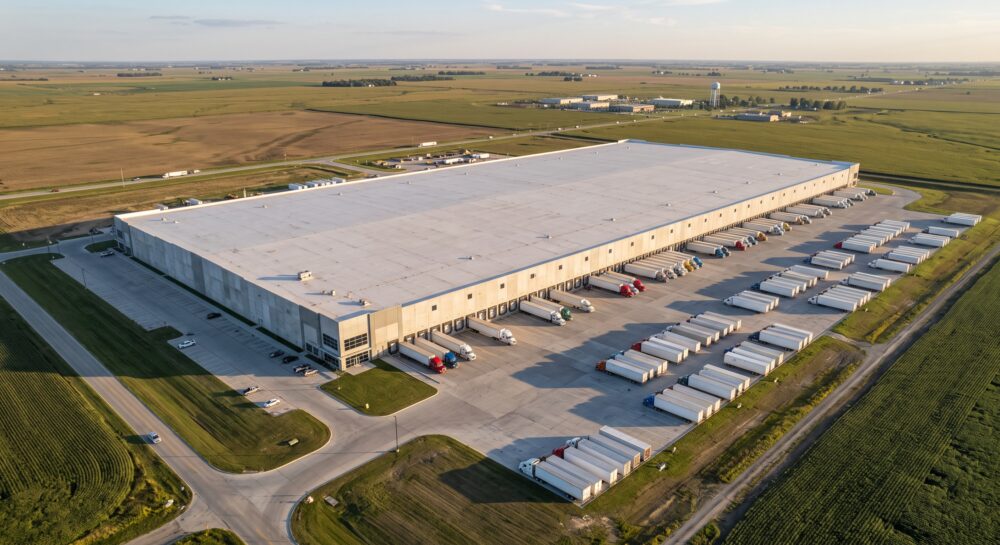
To understand why Joliet has one of the highest commercial truck accident rates in Illinois, it helps to understand the scale of the freight infrastructure operating here. CenterPoint Intermodal Center — spanning more than 6,600 acres across Elwood and Joliet — is designed to handle more than a million intermodal containers per year. The drayage truck traffic connecting this facility to distribution centres throughout Will, Grundy, and Kankakee Counties represents a constant, high-volume stream of heavy commercial vehicles on local roads that weren’t always designed for this traffic volume. I-80 through the Joliet area is one of the busiest freight corridors in the United States — a primary east-west artery connecting the East Coast with the Midwest. The truck percentage of I-80 traffic in the Joliet area consistently ranks among the highest of any interstate in the country. I-55 south of Joliet connects the corridor to St. Louis and the southern distribution network, adding another layer of through-freight traffic to local roads and interchanges. The distribution centre cluster throughout Will County — millions of square feet of Amazon, Walmart, IKEA, Target, and Home Depot fulfilment and distribution space — generates not just long-haul truck traffic but intensive last-mile and regional delivery volume on local roads throughout the county. For anyone who drives in Will County, this freight density is the daily backdrop. Understanding what happens when the worst occurs is essential preparation.Why Truck Accidents Require Different Legal Treatment Than Car Accidents
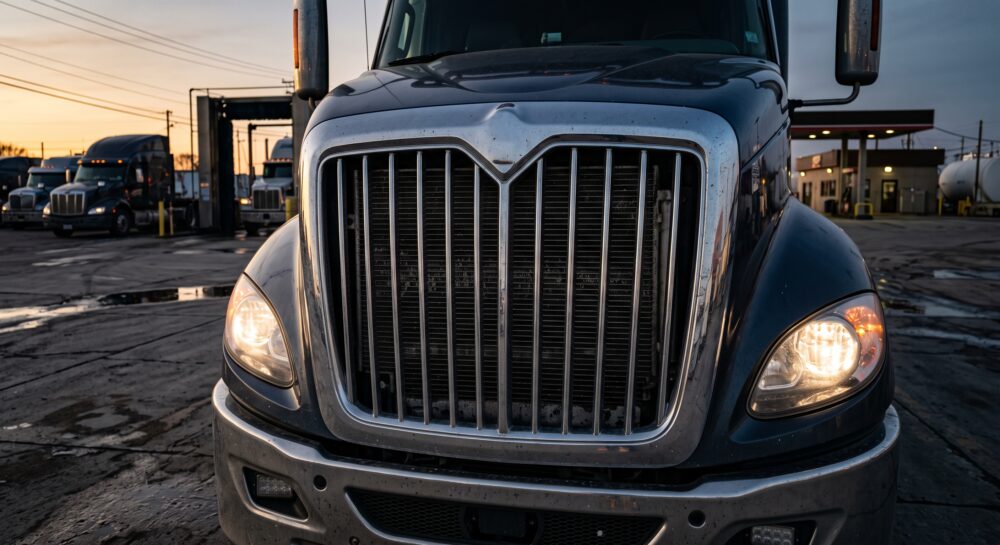
The physical and legal differences between a commercial truck accident and a car accident are so significant that they effectively constitute different categories of personal injury case. A fully loaded commercial semi-truck weighs up to 80,000 pounds — 20 to 30 times the weight of a standard passenger vehicle. The kinetic energy in a high-speed truck collision on I-80 or I-55 produces forces that simply cannot be absorbed by a passenger vehicle’s occupants. Traumatic brain injury, spinal cord damage, severe fractures, and fatalities are common outcomes of accidents that would produce far less harm in a car-to-car collision at similar speeds. The legal complexity is equally distinctive. A standard car accident involves two drivers and their insurers. A truck accident in the Joliet freight corridor can involve the truck driver, the trucking company, a third-party cargo loader, the container shipper, the truck manufacturer, a parts supplier, a maintenance contractor, and the freight broker — each with separate insurance policies and separate legal teams. Identifying every potentially liable party and pursuing all available coverage is what produces maximum recovery in these cases. Federal Motor Carrier Safety Administration (FMCSA) regulations govern commercial trucking operations and add a layer of law absent from car accident cases entirely. Violations of FMCSA rules — on hours of service, vehicle maintenance, weight limits, drug and alcohol testing, or driver licensing — can establish negligence per se, creating a direct path to liability that experienced truck accident attorneys know how to use.