Anthropic Launches Claude Design AI for Rapid Prototypes
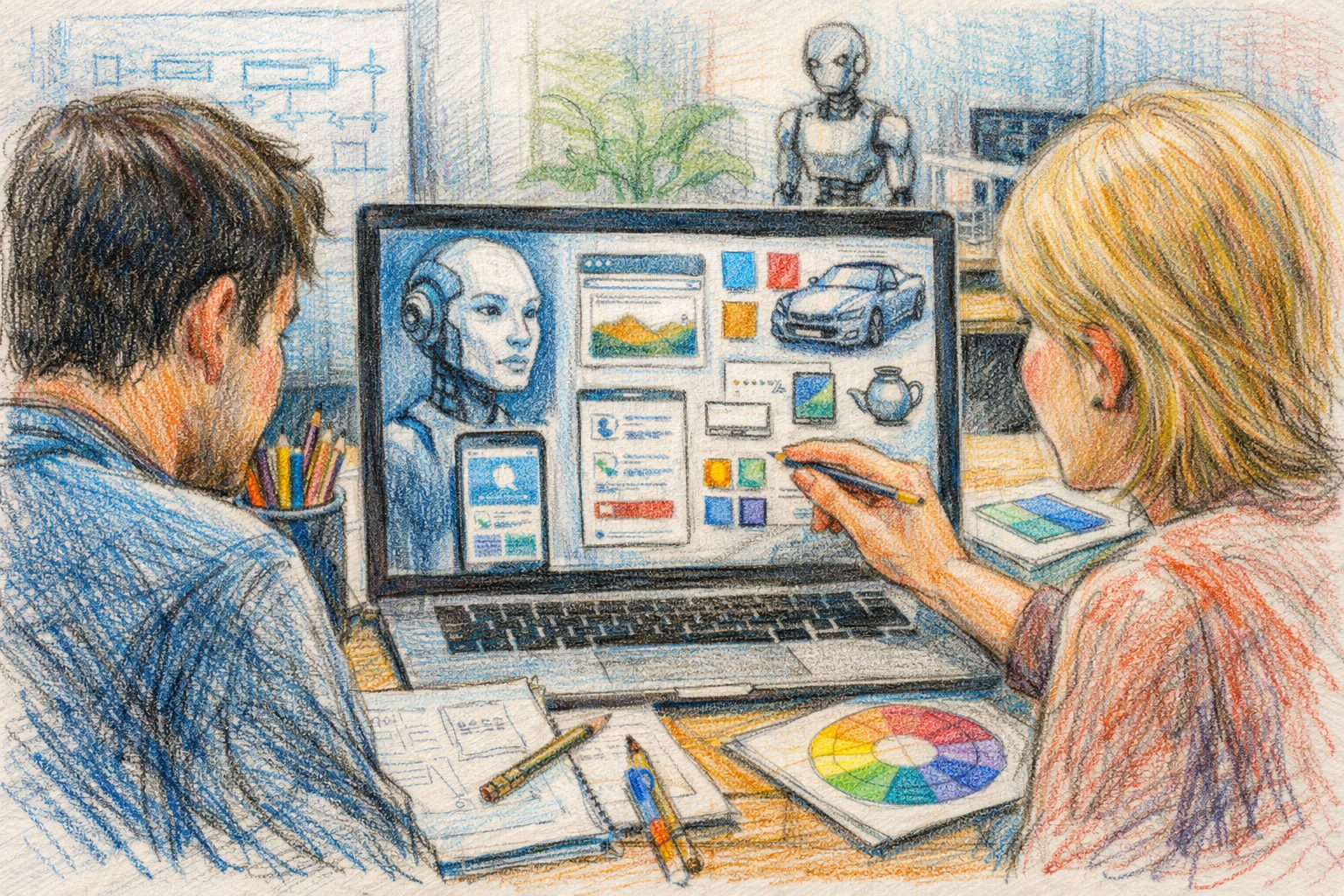
Anthropic introduced Claude Design on Friday, a new experimental tool powered by Claude Opus 4.7 that is available in research preview for Claude Pro, Max, Team, and Enterprise subscribers. The AI-powered platform enables users to create prototypes, presentation decks, marketing materials, and visual assets through natural language prompts, positioning the company to compete directly with established design software providers.

The company said its new product is built for people who aren’t starting from a design tool and need to get from an idea to something visual quickly. Users can refine designs through conversation, inline comments, or direct edits, and Claude will also generate custom sliders that correspond to specific elements in a design, which the user can push and pull to modify those elements.
Integration with Existing Workflows
Claude Design features a sophisticated onboarding process that allows the tool to learn organizational branding. Claude Design can apply a team’s design system to every project it creates so that the results are consistent with the company’s overall visual style by reading a company’s codebase and design files. Every project after that uses your colors, typography, and components automatically, and teams can refine the system over time and maintain more than one.
Users have multiple input options beyond text prompts. Users can start from a text prompt, upload images and documents (DOCX, PPTX, XLSX), or point Claude at their codebase, and can also use the web capture tool to grab elements directly from their website so prototypes look like the real product.
Once teams create presentation decks or prototypes, they can export them as PDFs, URLs, PPTX files, or send them to Canva. Once in Canva, they are fully editable and collaborative, according to Anthropic. The tool also allows exports to Claude Code, enabling a streamlined workflow from design to development.
Market Impact and Competition
The launch immediately impacted the design software market. No sooner had Claude Design been announced than the stock of design biz Figma fell about 7 percent. The timing proved notable given that Mike Krieger, Anthropic’s chief product officer, resigned from the board of Figma on April 14, just days before Claude Design’s announcement.
Despite apparent competition, Anthropic told TechCrunch that it’s intended to complement Canva rather than replace it. The company emphasized that Claude Design serves a different entry point for users who need rapid visualization rather than a replacement for professional design tools.
Early Adoption Results
Several companies have already deployed Claude Design with measurable results. Brilliant’s senior product designer reported that the most complex pages required 20 or more prompts to recreate in competing tools but needed only 2 in Claude Design. At Datadog, Claude Design has already proved capable of shortening iteration periods and “enabling live design during conversations,” with product manager Aneesh Kethini noting that what used to take a week of back-and-forth between briefs, mockups, and review rounds now happens in a single conversation.
Usage and Availability
Usage of Claude Design is metered and tracked separately from other Claude services, with its own usage tracking, its own allowances, and weekly limits that sit alongside existing chat or Claude Code limits. The AI biz is offering Enterprise usage-based Claude Design users a one-time credit said to cover about 20 typical prompts, which is consumed before additional Claude Design usage counts toward organizational spend and expires on July 17.
The feature will roll out gradually over the course of the day, with the feature off by default for Enterprise, but can be enabled by admins.
Broader Product Ecosystem
The launch highlights Anthropic’s ongoing push into the enterprise and prosumer categories, as competition intensifies around AI workplace tools. In January, Anthropic rolled out Claude Cowork, an agentic assistant built for complex tasks, and a few weeks later, the company brought agentic plug-ins to Cowork that are designed to automate specialized tasks within a company’s various departments.
The Claude Design announcement comes against the backdrop of significant company growth. Anthropic hit roughly $20 billion in annualized revenue in early March 2026, up from $9 billion at the end of 2025, and surpassed $30 billion by early April 2026. The announcement comes a few days after Bloomberg reported that VCs have been offering the company a preemptive funding round that would value it at $800 billion or more, but so far, Anthropic isn’t interested in the latest offers.
Key Facts
- Claude Design launched Friday, April 17, 2026, powered by the newly released Claude Opus 4.7 model
- Available to Claude Pro, Max, Team, and Enterprise subscribers in research preview
- Figma’s stock dropped approximately 7% following the announcement
- Brilliant reported reducing complex page creation from 20+ prompts in competing tools to just 2 prompts in Claude Design
- Datadog compressed week-long design cycles into single conversations using the tool
- Enterprise users receive a one-time credit covering approximately 20 prompts, expiring July 17, 2026
- Usage is tracked separately from other Claude services with independent weekly limits
Sources
- TechCrunch: Anthropic launches Claude Design, a new product for creating quick visuals
- AdWeek: Anthropic Debuts Claude Design for Building Marketing Assets, Decks and UIs
- VentureBeat: Anthropic just launched Claude Design, an AI tool that turns prompts into prototypes and challenges Figma
- The Register: Anthropic debuts Claude Design, because who needs designers?
Sources
- Anthropic launches Claude Design, a new product for creating quick visuals | TechCrunch
- Anthropic now has a design assistant too
- Anthropic launches Claude Design following Opus 4.7 model upgrade – 9to5Mac
- Anthropic debuts Claude Design, because who needs designers? • The Register
- Anthropic just launched Claude Design, an AI tool that turns prompts into prototypes and challenges Figma | VentureBeat
- Anthropic Debuts Claude Design for Building Marketing Assets, Decks, and UIs