Claude Code vs Cursor: AI Coding Tools in 2026

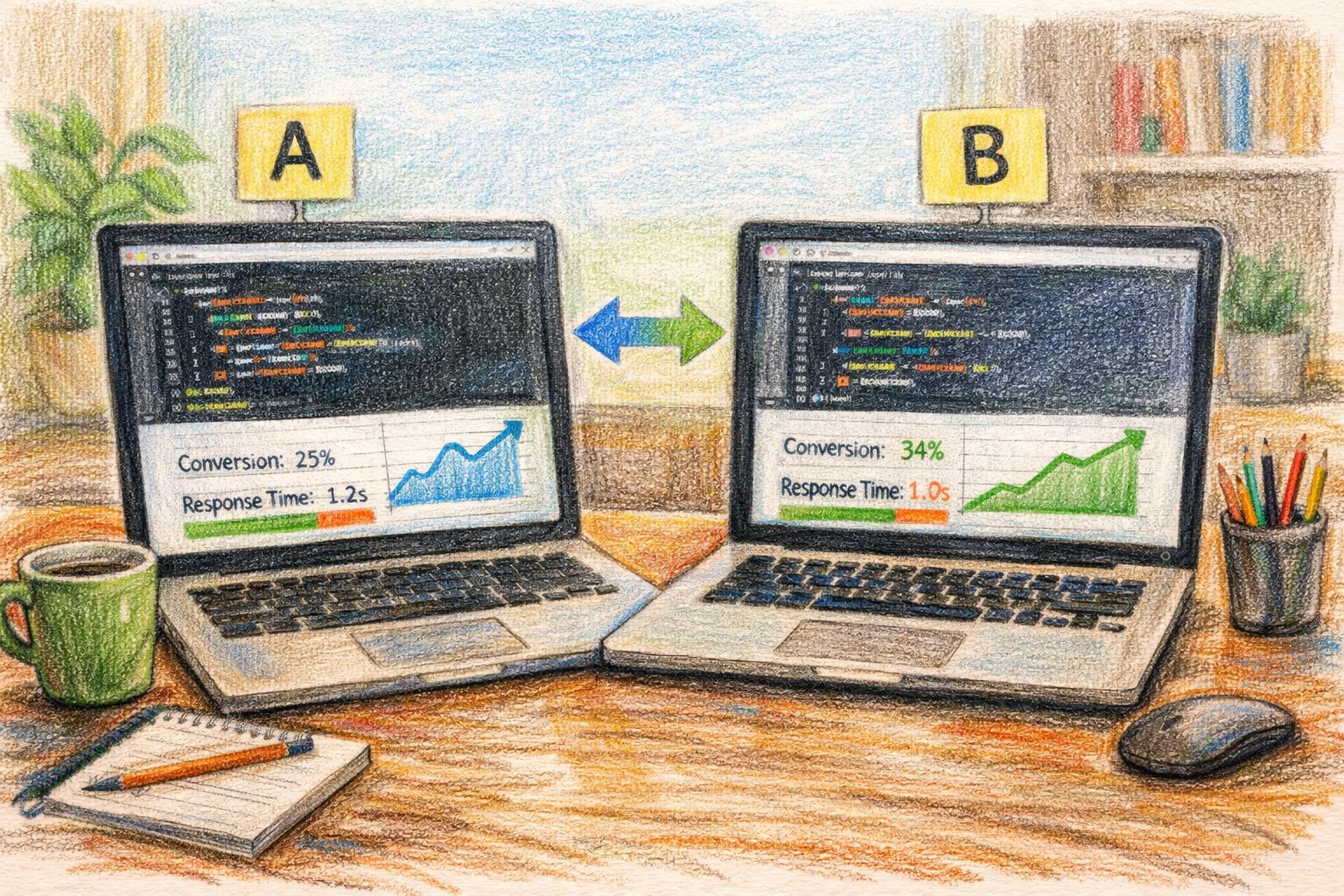
The landscape of AI-powered coding tools is experiencing a significant shift in early 2026, as Claude Code and Cursor emerge as leading platforms with distinct strengths for developers. A comprehensive comparison published today reveals how these tools are diverging in their approaches while simultaneously adding convergent features, marking a pivotal moment in the evolution of AI-assisted software development.
Claude Code demonstrates particular strength in autonomous, multi-file tasks with a 200K context window and 30% less code rework, while Cursor excels in inline suggestions. The competition between these platforms is reshaping how developers approach coding tasks, with implications extending far beyond traditional programming circles.
Technical Capabilities and Performance Differences
The technical specifications separating these two platforms highlight their different design philosophies. Claude Code offers a 200K context window, enabling it to handle complex, multi-file projects with greater awareness of broader codebases. This substantial context window allows the tool to maintain coherence across extensive projects, reducing the fragmentation that often plagues AI-assisted coding.
Claude Code achieves 30% less code rework compared to alternatives, a metric that translates directly into developer productivity gains. This reduction in rework suggests that Claude Code’s autonomous approach to multi-file tasks produces more accurate initial outputs, requiring fewer iterations to reach production-ready code.
Cursor, by contrast, has optimized for a different use case. Its strength in inline suggestions makes it particularly effective for developers who prefer a more hands-on, iterative coding style where AI serves as an intelligent autocomplete rather than an autonomous agent.
Convergence of Features and New Integrations
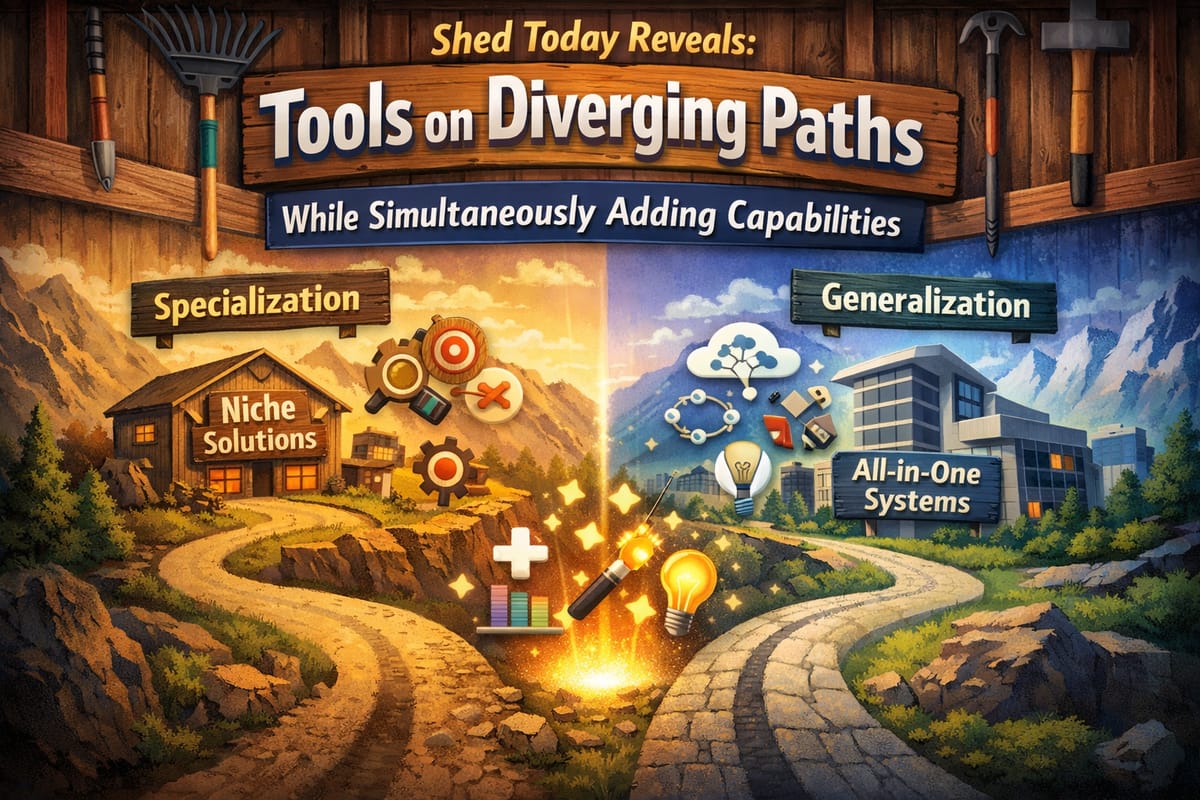
Both tools are converging with new features like IDE integrations and background agents, indicating that the market is driving these platforms toward comprehensive solutions rather than specialized niches. This convergence suggests that developers are demanding tools that can handle both autonomous task completion and real-time coding assistance.
The evolution of these platforms is part of a broader expansion of Claude’s capabilities. Anthropic’s Claude Opus 4.6 expands beyond coding with agent teams for parallel task handling, a 1M token context window, and integrations like Microsoft PowerPoint. This massive context window, five times larger than what Claude Code currently offers, signals where the technology is heading.
Claude Opus 4.6 is available now at unchanged pricing, making these advanced capabilities accessible without additional cost barriers. The platform is attracting non-developers for tasks like financial analysis and research, demonstrating the technology’s versatility beyond traditional software development.
Impact on Non-Technical Users
The reach of tools like Claude Code extends well beyond professional programmers. Claude Code enables “vibe coding” for non-programmers to build websites and educational resources, democratizing software development in unprecedented ways. This concept of “vibe coding” represents a fundamental shift in how software creation is approached, prioritizing intent and desired outcomes over technical syntax knowledge.
In the education sector, Claude Code is aiding instructional designers in generating LMS structures, templates, and accessibility content. This application addresses critical needs in educational technology, where creating accessible, well-structured learning materials has traditionally required both pedagogical expertise and technical skills. The tool’s ability to bridge this gap comes at a time when job sector concerns are affecting instructional design professionals.
Industry Recognition and the Agent Revolution
The significance of Claude Code’s emergence has drawn attention from major technology leaders. NVIDIA CEO Jensen Huang credits Claude Code and OpenClaw with sparking an “agent inflection point,” advancing AI from generation and reasoning to actionable agents in knowledge work. This recognition from one of the AI industry’s most influential figures underscores the transformative potential of these tools.
The concept of an “agent inflection point” suggests that AI tools have crossed a threshold from being passive assistants to active participants in completing complex tasks. This evolution from generation and reasoning capabilities to actionable agency represents a fundamental architectural shift in how AI systems operate within professional workflows.
Key Facts
- Claude Code features a 200K context window and reduces code rework by 30% compared to alternatives
- Claude Opus 4.6 offers a 1M token context window and is available at unchanged pricing
- Both Claude Code and Cursor are adding convergent features including IDE integrations and background agents
- The platforms enable non-programmers to build websites and educational resources through “vibe coding”
- NVIDIA CEO Jensen Huang identifies Claude Code as a catalyst for an “agent inflection point” in AI capabilities
Looking Ahead
The competition between Claude Code and Cursor reflects broader trends in AI development, where specialized tools are rapidly evolving into comprehensive platforms. The addition of IDE integrations and background agents to both platforms indicates that developers will soon have access to AI assistants that can operate seamlessly across their entire development environment, from initial design through deployment.
As these tools continue to mature, the distinction between “developer tools” and “productivity tools” appears to be blurring. The expansion into areas like financial analysis, research, and educational content creation suggests that the underlying technology has applications far beyond its initial coding-focused design.
Sources
- Claude Code vs Cursor in 2026: The Complete Developer’s Guide – LaoZhang AI Blog
- Anthropic’s Claude Opus 4.6 Sets a New Bar for AI Capability – SentiSight.ai
- Claude Code Isn’t Just a Coding Tool—It’s a Stress Test for Instructional Design – Higher Ed AV
- NVIDIA Ignites the Next Industrial Revolution in Knowledge Work – NVIDIA Newsroom