AI Collapses Design Workflows, Anthropic Lead Says
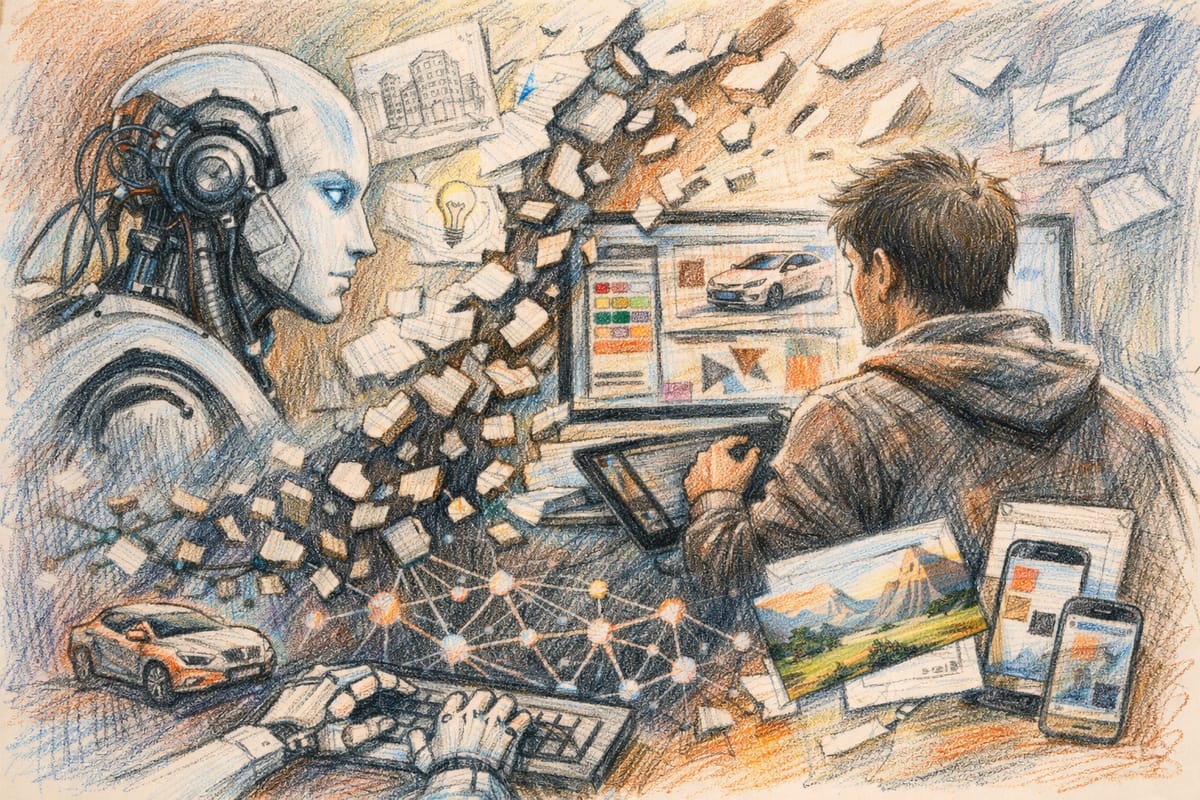
The traditional design process is being fundamentally transformed by AI-powered development tools, according to Jenny Wen, who leads design for Claude at Anthropic and was previously Director of Design at Figma. In a recent discussion featured on Lenny’s Podcast and highlighted in a YouTube video, Wen explains how AI agents have shifted designers’ roles from creating detailed mockups to collaborating directly with engineers who can now generate code in hours instead of weeks.
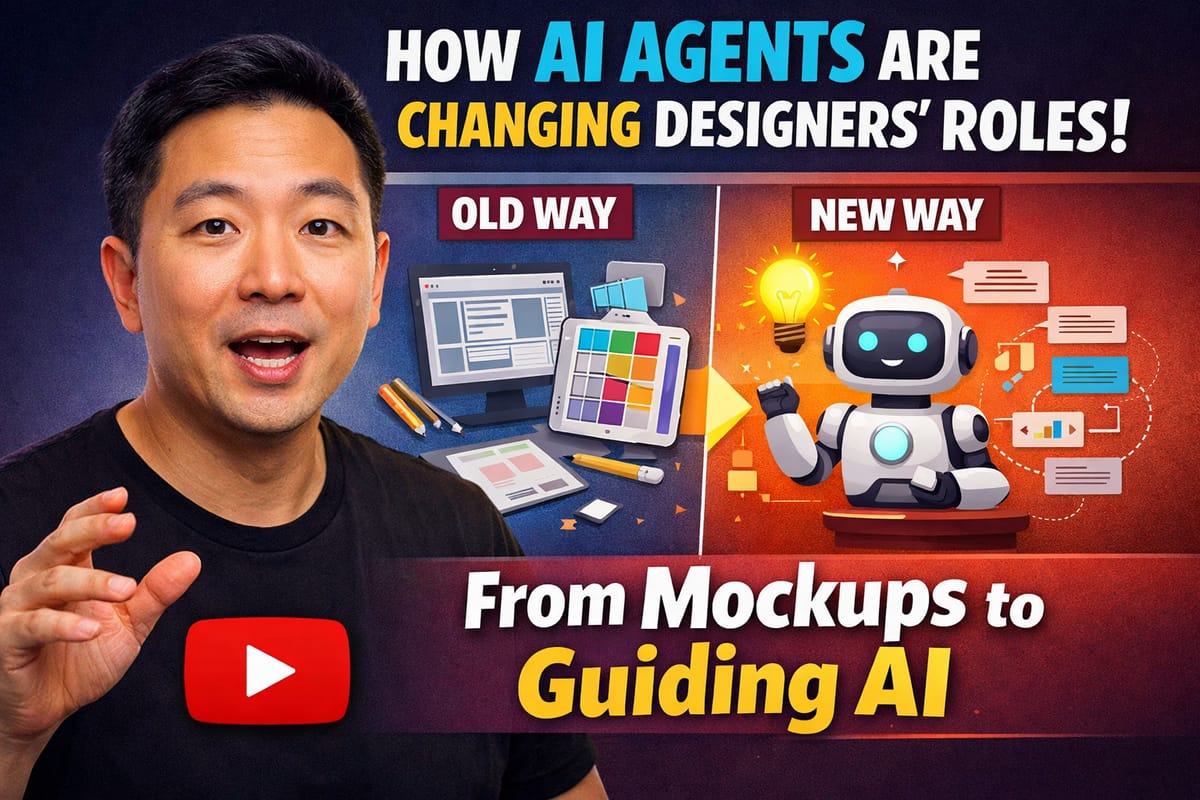
The Shift in Design Workflow
Wen states that the design process designers have been taught as gospel is “basically dead,” dying before the AI era but accelerated by engineers who can now “spin off their seven Claudes”. This dramatic shift doesn’t mean design work has disappeared, but rather that its proportions have changed significantly.
A few years ago, 60 to 70% of design work was mocking and prototyping, but now that portion has shrunk to 30 to 40%, with another 30 to 40% now spent jamming and pairing directly with engineers. The change reflects a fundamental reorganization of how product development teams operate in an AI-enabled environment.
Two New Types of Design Work
AI is collapsing the classic “research, mock, iterate” workflow into two main jobs for designers: supporting rapid implementation alongside engineers, and setting shorter 3-6 month product visions that keep a swarm of agents and builders pointed in a coherent direction.
Wen describes her day-to-day at Anthropic as equal parts surfing internal prototypes, pairing with engineers, and doing last-mile implementation herself. This hands-on approach represents a significant departure from the traditional designer role of creating comprehensive specifications before handoff to engineering teams.
The Role of AI and Traditional Tools
Wen’s AI stack is fully Claude-based, including Claude chat, Claude Co-work for longer-running tasks, and Claude Code in VS Code for frontend polish, with the ability to use Claude Code remotely through Slack. Despite this heavy reliance on AI coding tools, traditional design platforms remain relevant for specific tasks.
Wen still sees Figma as critical for exploring many directions and fine visual decisions, but treats Claude as her primary stack for long-running tasks and front-end polish. Design tools like Figma remain valuable for exploring many options at once and fine visual and interaction details, while coding tools are too linear for throwing 8-10 different directions at the wall.
Implications for Engineering Teams
Engineering’s transformation with teams running seven Claude agents simultaneously forces design to adapt, as designers can no longer block engineers with months-long discovery-diverge-converge cycles when code ships in hours. This acceleration has created both opportunities and challenges for product development workflows.
Non-deterministic AI models break traditional design approaches because designers can’t mock up all states for an AI product or create clickable prototypes of something powered by language models, requiring teams to use actual models and observe real use cases. This fundamentally changes what design means, shifting from specifying everything in advance to shaping products in real time.
Hiring and Skills for the AI Era
Wen identifies three kinds of designers she’s hiring: the strong generalist who can design, prototype, and ship across disciplines; the deep specialist with extraordinary craft in one area; and the prototyper-builder who works directly in code. These archetypes reflect the evolving skill requirements in AI-enabled product development.
Key advice includes not blocking engineers but augmenting them, investing in code literacy for direct implementation polish, and shortening vision horizons from 2-5 year plans to 3-6 month directional prototypes.
Context and Considerations
Wen’s “ship fast, iterate publicly, build trust through speed” approach makes sense for Anthropic, where they’re building greenfield AI products with non-deterministic models and nobody knows the right interaction patterns yet. However, this methodology may not apply universally to all product contexts.
The approach gets harder with products that have an established install base, as shipping and iterating has real costs when millions of people depend on existing features. The rapid iteration model works best for new products in undefined design spaces rather than mature products with large user bases.
Integration Between Code and Design Tools
The relationship between AI coding tools and design platforms continues to evolve. Claude Code to Figma applies the same concept as Figma Make to code-first workflows, converting built interfaces into editable design artifacts, with the goal being to get to something tangible quickly and then take it further regardless of the starting point.
Key Facts
- Design mockup time has decreased from 60-70% of work to 30-40%, while time spent pairing directly with engineers has increased to 30-40%
- Product visions have shortened from multi-year plans to 3-6 month directional prototypes
- Engineering teams are now running seven Claude agents simultaneously
- Jenny Wen leads design for Claude at Anthropic and previously served as Director of Design at Figma leading FigJam and Slides teams
Sources
- 90% of Your AI Agent’s Design Process Is Dead – YouTube
- The design process is dead. Here’s what’s replacing it. | Lenny’s Newsletter
- From Claude Code to Figma: Turning Production Code into Editable Figma Designs | Figma Blog
Sources
- The design process is dead. Here’s what’s replacing it. | Jenny Wen (head of design at Claude)
- The design process is dead. Here’s what’s replacing it. | Jenny Wen (head of design at Claude) – Roger Wong
- Figmalion – Figma newsletter and community knowledge base
- Notes: The Design Process Is Dead – What’s Replacing It / 笔记:设计流程已死——取而代之的是什么 | Alan Hou
- Jenny Wen on Why the Design Process Is Dead – TeamDay.ai
- From Claude Code to Figma: Turning Production Code into Editable Figma Designs | Figma Blog