Deferred Sales Drive 2026 Exit Planning

Business owners are increasingly turning to deferred sale strategies for their exits, a shift that emphasizes structured transitions over immediate transfers of ownership. Recent guidance published March 2, 2026, highlights how deferred sale strategies that spread liquidity, risk, and transition over time can unlock higher total value, improve tax efficiency, and create smoother transitions, though they also introduce complexity requiring careful management.
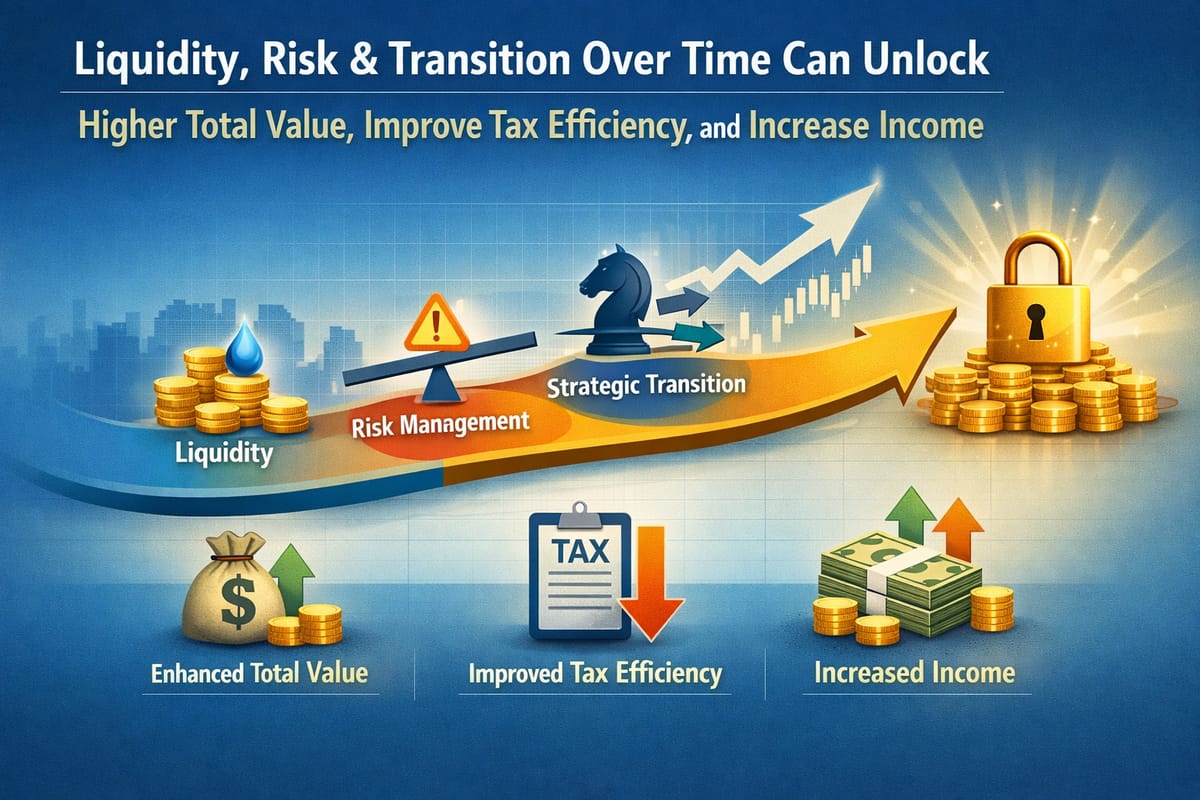
The strategic approach represents a departure from traditional all-cash exits. A deferred sale strategy is less appropriate when sellers need full liquidity, certainty, or a clean break, as this strategy involves tax planning and cash flow smoothing with longer exposure to buyer performance. Exit planning experts emphasize that timing remains critical, with business owners who start succession planning early, typically 5-10 years before their intended exit, often achieving better outcomes than those who wait.
Adaptive Forecasting Becomes Priority for 2026 Exits
Business owners preparing for a 2026 exit are being advised to use adaptive forecasting, as rolling forecasts replace static budgets to build buyer confidence and survive diligence. This shift reflects heightened scrutiny from acquirers in today’s market conditions. Selling a business successfully in 2026 requires structured preparation, not last-minute decisions, according to recent guidance from exit planning professionals.
Transaction structures have become increasingly important to deal success. Asset sales, stock purchases, mergers, earnouts, seller financing, and equity rollovers each present distinct tax implications and risk profiles. Understanding these alternatives before entering active negotiations allows business owners to optimize available options rather than simply reacting to buyer proposals.
Founder Dependency Remains Key Challenge
According to February 2026 insights from exit planning experts, the number one thing holding entrepreneurs back from a successful exit is themselves, as founders need to detach who they are from the company for a clean exit. The solution involves progressive delegation throughout a company’s lifecycle.
When business owners think they’re ready to sell, they should step back completely from day-to-day responsibilities and put systems, documentation, and leadership structures firmly in place so the company can operate independently, as buyers want companies that operate “like a Swiss clock,” not ones that rely on their founder for success.
Multiple Exit Strategies Gaining Traction
The ideal business exit strategy depends on personal goals, business readiness, and current market conditions, with factors including financial objectives such as whether to maximize profits or prioritize other values, and timeline considerations about whether selling will happen in one year or requires a long term plan.
Deferred sale structures are becoming more common. ESOP transactions transfer ownership to employees over time using the company’s cash flow, making this strategy best for legacy-focused owners seeking tax advantages, though it involves ongoing administrative and governance complexity. Phased family or management buyouts, favored when ownership is transferred incrementally to internal successors, are best for preserving continuity and culture but come with execution risks and financing challenges.
Tax Planning Requires Extended Lead Times
Tax planning for exit transactions requires long lead times for optimal outcomes, as qualified small business stock treatment, installment sale structures, charitable remainder trusts, and other tax-advantaged approaches typically require implementation years before transactions to achieve maximum benefits, allowing strategic positioning that may preserve substantial after-tax proceeds compared to last-minute tax considerations.
Many owners underestimate how much value may be left untapped, especially when they neglect to obtain a business valuation early on in the exit process, as running a business as if it were for sale well before an actual exit can help increase its value, improve EBITDA, and widen options for an optimal exit.
Exit Planning Industry Evolves in 2026
As the Exit Planning Institute enters a new era in 2026, the organization is sharpening its focus around four core pillars: Advisor Development, Research, Content, and ROI-Driven Relationships. This reorganization reflects growing professionalization of exit planning as a distinct advisory discipline.
Cash-flow buyers, often private equity firms, tend to value companies based on predictable earnings and risk, focusing on financial performance, operating margins, and stability. Strategic buyers represent what experts call the ideal scenario, making offers based on how an acquisition might accelerate their own growth through expanded distribution, customer overlap, intellectual property, or talent.
Key Facts
- Deferred sale strategies spread liquidity, risk and transition over time to unlock higher total value and improve tax efficiency
- Business owners who start succession planning 5-10 years before their intended exit achieve better outcomes than those who wait
- Rolling forecasts are replacing static budgets for 2026 exits to build buyer confidence during due diligence
- Tax planning structures like QSBS treatment and installment sales require implementation years before transactions for maximum benefit
- Founder dependency remains the top obstacle to successful exits, requiring progressive delegation of responsibilities
Sources
- Daily Business Journal: https://dailybusinessjournal.com/2026/03/02/choosing-a-deferred-sale-strategy-when-exiting-your-business/
- MAUS: https://maus.com/blog/top-10-business-exit-strategies-in-2025-2026
- U.S. Chamber of Commerce: https://www.uschamber.com/co/start/strategy/tips-for-creating-an-exit-strategy
- AEGIS LAW: https://aegislaw.com/exit-strategy-planning-preparing-for-business-transitions/
Sources
- Choosing a Deferred Sale Strategy When Exiting Your Business – Daily Business Journal
- Top 10 Business Exit Strategies in 2025–2026
- Business Exit Strategy Planning for Founders
- Exit Planning Checklist for Business Owners in 2026 – EINEdge
- Exit Strategy Planning: Preparing for Business Transitions – AEGIS LAW
- How to Create an Exit Strategy for Your Business | CO- by US Chamber of Commerce
- Exit Planning Starts Sooner Than You Think: How to Build Business Value Years Before You Sell – Moneta
- Where the Exit Planning Institute is Headed in 2026