Staying Safe in Melbourne: Common Accidents and How to Handle Them
Jan 9, 2026
Common Accidents in Melbourne, Florida
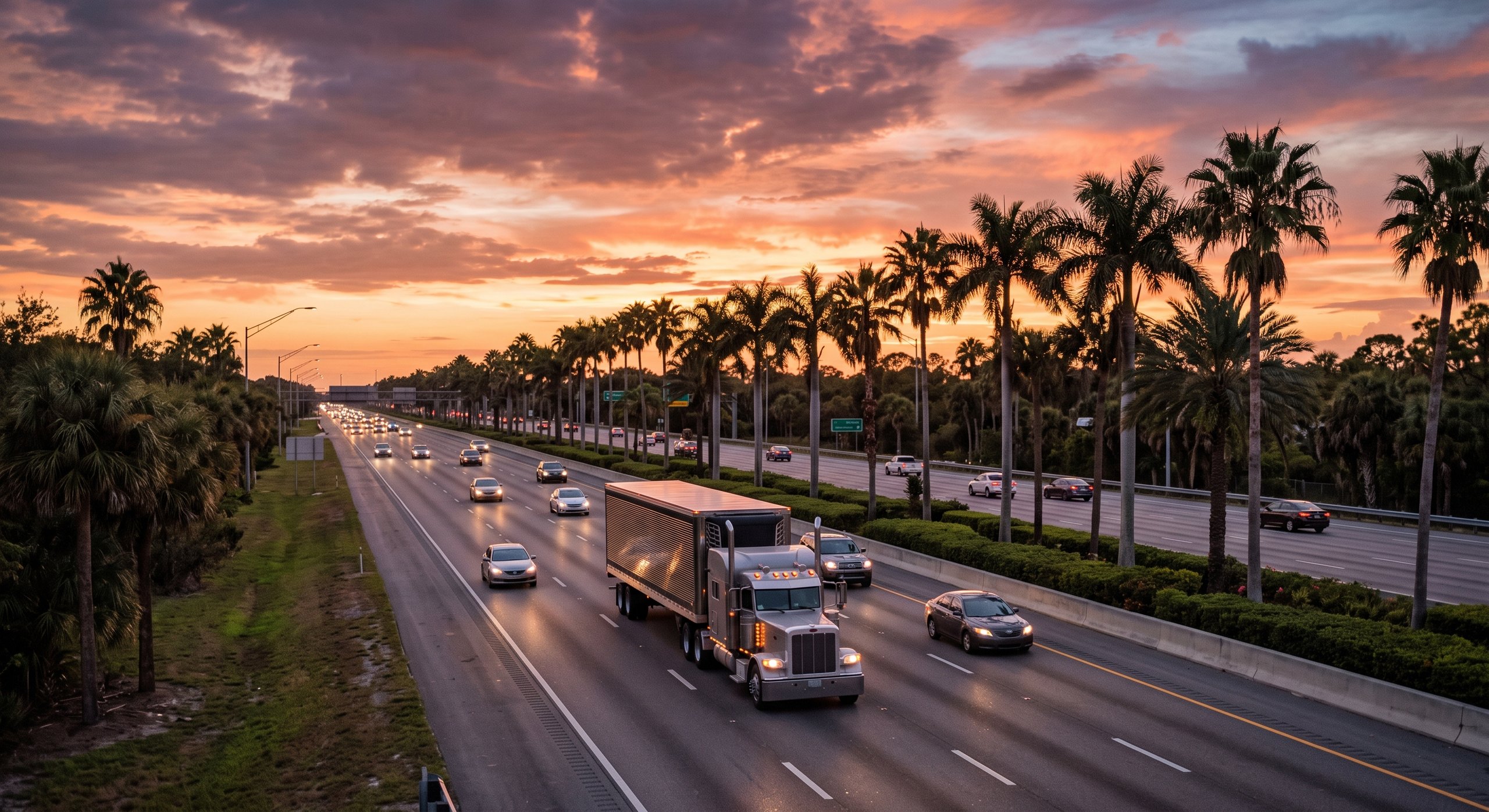
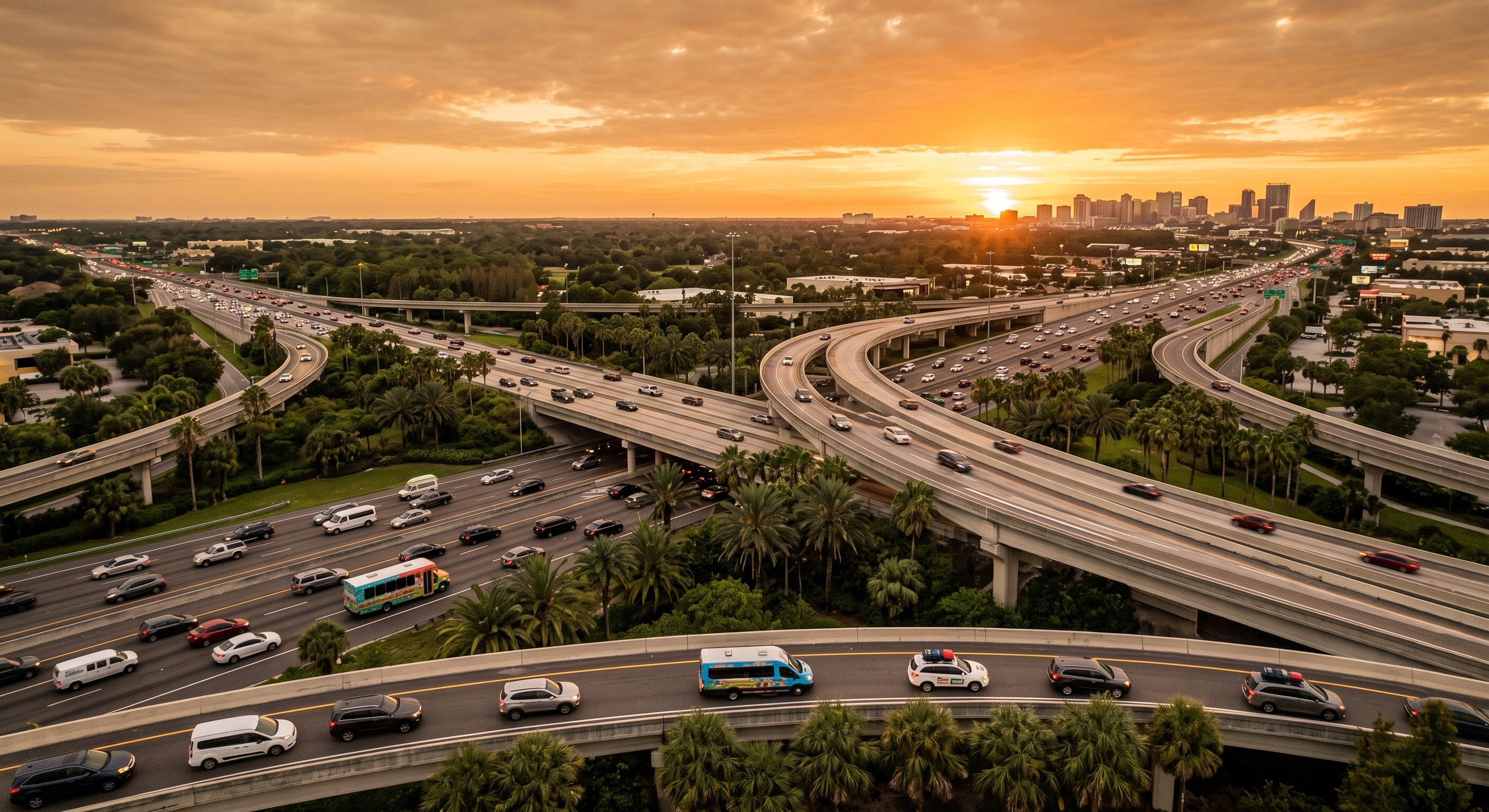
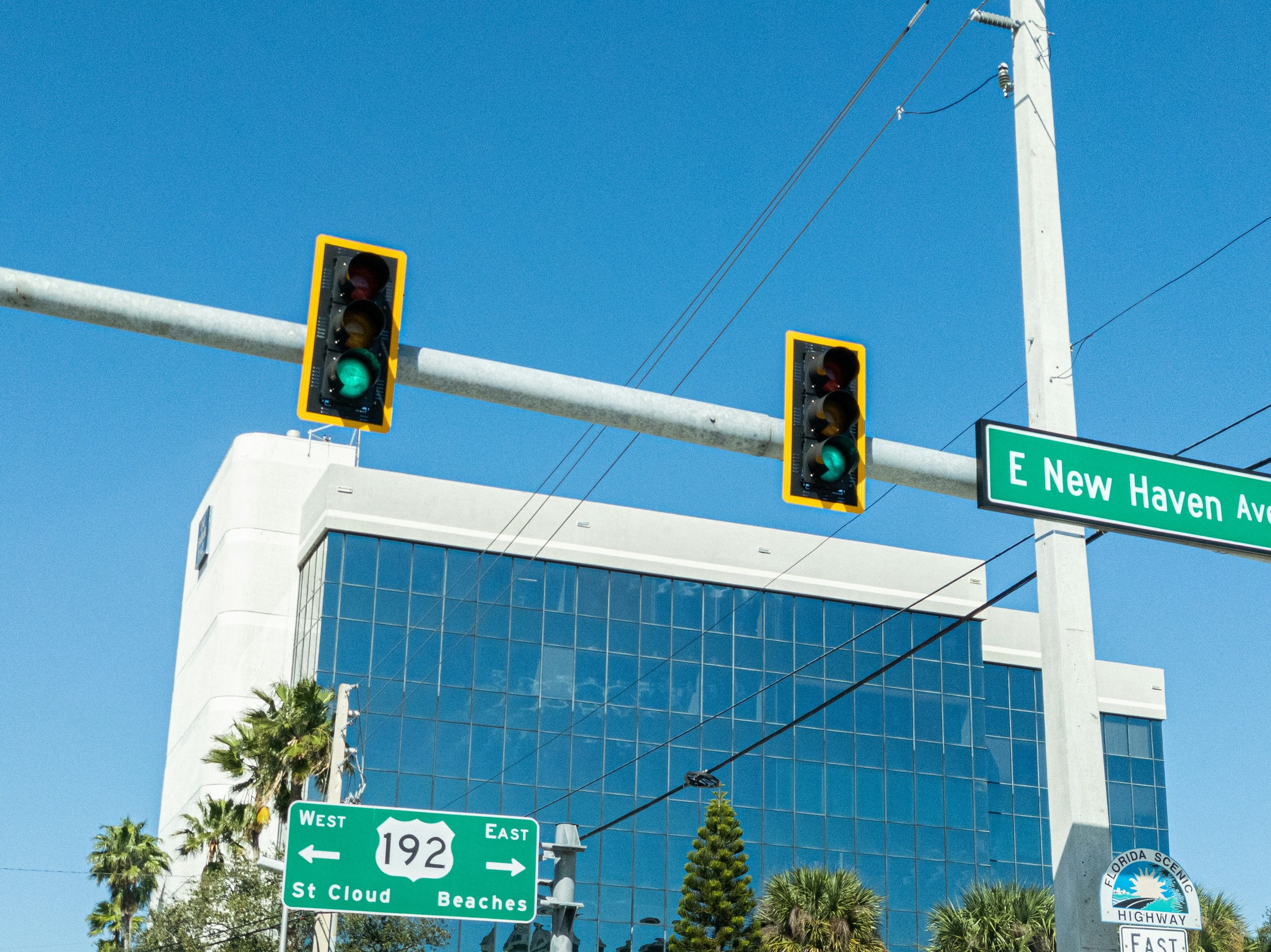
With busy roads, active shopping areas, and year-round outdoor activity, Melbourne sees a wide range of everyday accidents. Some of the most frequent ones residents encounter include:- Car accidents, often happening on major roads and high-traffic intersections.
- Slip-and-fall incidents in stores, restaurants, parking lots, or apartment complexes.
- Bicycle and pedestrian accidents, especially in beachfront and downtown areas.
- Workplace injuries, from lifting accidents to falls or equipment-related issues.
- Outdoor and recreational injuries, including boating mishaps, trail-related falls, and sports injuries.
What to Do Immediately After an Accident
Taking the right steps in the first moments after an accident can protect your health, strengthen your documentation, and make the next stages far less stressful. Here’s what to focus on.1. Check for Injuries
Start by making sure you and anyone nearby are safe. Look for visible injuries and pay attention to how you feel; dizziness, neck stiffness, or sudden fatigue can be signs of something more serious. Even if everything seems fine at first, remember that some injuries appear hours or even days later.2. Call 911 if Necessary
If anyone is hurt or the situation feels unsafe, call 911 right away. Emergency responders can stabilize the scene and provide medical care on the spot. They also create an official report, which becomes an important document if you need to file a claim or explain what happened later.3. Report the Incident
Wherever the accident happens, make sure it’s officially documented. For traffic crashes, wait for the police. For a fall in a store or restaurant, notify the manager. For workplace injuries, contact your supervisor. A written report helps avoid misunderstandings and shows exactly when and where the accident took place.4. Document the Scene
If it’s safe to do so, take clear photos or videos of the area before anything is moved. Capture conditions that might have contributed to the accident—wet floors, poor lighting, damaged sidewalks, traffic signals, or equipment involved. Notes and witness names also help provide a full picture of what happened.5. Avoid Admitting Fault
In stressful moments, people often apologize out of instinct, even when they didn’t do anything wrong. It’s better to stick to the facts and avoid making statements about blame. Fault is something that gets determined later, once all the details are reviewed.Why Medical Attention Matters Even If You Feel Fine
After an accident, it’s easy to brush off pain or assume discomfort will disappear on its own. But getting checked by a medical professional is one of the most important steps you can take, even when symptoms seem minor at first.Injuries Don’t Always Show Up Right Away
Many common accident-related injuries, like concussions, soft tissue damage, and internal bruising, often develop slowly. What feels like mild soreness can turn into something more serious within days. A medical evaluation helps catch issues early, before they worsen.Medical Records Strengthen Your Claim
Seeing a doctor creates a detailed record of your injuries, treatment plan, and any recommendations for follow-up care. These records play a key role if you need to file an insurance claim or seek compensation later, showing the direct link between the accident and your condition.Following Up Shows Consistency
If a doctor asks you to return for check-ups, physical therapy, or additional tests, try not to skip them. Consistent medical care shows that your injuries are real and that you’re taking recovery seriously. Gaps in treatment can give insurers room to question your pain or downplay your needs.Understanding Liability and Florida’s Laws
Florida’s injury laws can feel overwhelming, especially if you’ve never dealt with an accident before. The good news is that you only need to understand a few basic ideas to get a clearer picture of how responsibility and compensation work. One of the most important concepts is comparative negligence. Instead of placing all the blame on one person, Florida assigns a percentage of fault to everyone involved. For example, you might be found 20% responsible while the other party is 80% responsible. Your compensation would simply reflect that split. This makes solid documentation, photos, witness statements, and reports, especially valuable. Another key rule relates to no-fault insurance, which applies mainly to car accidents. After a crash, your own insurance (PIP) covers your early medical costs, no matter who caused the accident. However, if your injuries are serious or long-lasting, you may be able to step outside the no-fault system and pursue further compensation. Finally, it’s helpful to know that property owners in Florida have a legal duty to keep their spaces safe. If you’re hurt because of a dangerous condition on someone’s property, like a wet floor, a broken railing, or poor lighting, the owner may be responsible if they should have fixed the issue or warned you about it. Together, these basic rules shape how injury claims move forward in Melbourne and across Florida.When to Manage the Situation Yourself, and When You Might Need Help
Some accidents are straightforward; you gather the documents, follow your doctor’s advice, and the insurance claim moves along without much trouble. But other situations become more complicated, and trying to handle everything alone can create unnecessary stress. You can usually manage things on your own when the injuries are minor, the details are clear, and everyone involved agrees on what happened. In these cases, filing a basic insurance claim and keeping track of your medical visits is often enough. However, there are moments when it’s much harder to handle everything without support. This often includes situations where your injuries are more serious, when medical bills start adding up, or when the insurance company pushes back. Disagreements over who caused the accident, missing paperwork, or mixed accounts from witnesses can also make things more challenging. If the process starts to feel overwhelming, or you’re unsure whether you’re being treated fairly, that’s usually a sign that it may be time to reach out for guidance.When to Seek Legal Guidance
There are times when an accident is simple to navigate on your own, and times when getting professional support can make a huge difference. If your injuries are serious, if you’re facing long-term treatment, or if the insurance company isn’t being cooperative, it may be harder to protect your rights without help. Many people reach out for guidance when:- Their medical bills are growing quickly
- They’re unable to work because of the injury
- A business or property owner denies responsibility
- Fault is unclear or disputed
- The insurance company delays, downplays, or rejects the claim
- Multiple people were involved in the accident
- Documentation is limited or the details are complicated
Tips to Stay Safe and Prevent Common Accidents
While not every accident can be avoided, small habits make a big difference in reducing everyday risks around Melbourne. Staying aware of your surroundings and taking a few simple precautions can help you stay safer in busy areas, at work, and during outdoor activities.On the Road
- Keep extra distance during heavy traffic, especially near major intersections.
- Avoid checking your phone while driving or stopping at lights.
- Watch for cyclists and pedestrians in beachside and downtown areas.
In Stores and Public Places
- Pay attention to wet floors, uneven surfaces, and crowded aisles.
- Use railings when available, especially in parking garages or stairways.
- Let staff know if you spot a spill or hazard.
At Work
- Lift slowly and use proper posture to protect your back.
- Wear appropriate footwear on slippery or busy surfaces.
- Report unsafe conditions to your supervisor right away.
Outdoors and Around Water
- Use caution on docks, boat ramps, and wet surfaces near the river or beach.
- Stay hydrated and alert during long days in the sun.
- Watch for holes, loose sand, or uneven ground on trails and paths.