Integrating Kitting Services into Lean Manufacturing

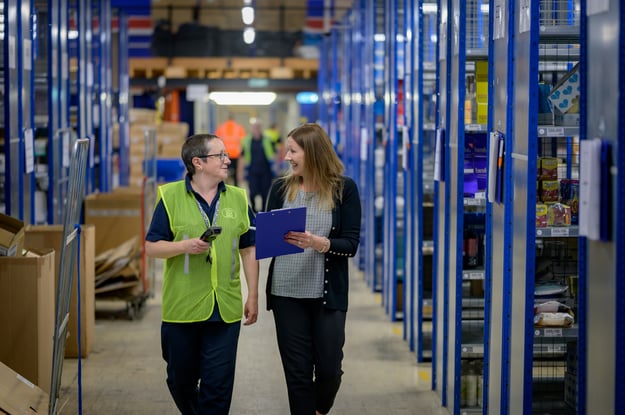
Kitting services improve modern manufacturing by grouping individual parts into pre-packaged kits, allowing assembly teams to work more efficiently. Instead of searching for scattered components, workers receive complete kits with everything they need, reducing assembly errors and production slowdowns. This structured approach cuts down on time wasted sorting materials, keeping production lines moving at a steady pace.
Beyond speeding up processes, kitting services follow lean manufacturing principles by eliminating unnecessary steps and optimizing material usage. Companies that adopt kitting can significantly lower inventory costs and minimize errors, leading to smoother operations and greater consistency in product quality.
Measurable Efficiency Gains from Kitting
Kitting noticeably reduces cycle times in assembly and packing. Studies show assembly time drops by as much as 12 minutes, while packing time decreases by 3 minutes. These improvements come from better material handling and cutting out unnecessary movement, making production faster and more efficient. In a recent analysis of an electronics manufacturing plant, kitting reduced the time spent searching for parts by 40%, allowing workers to focus solely on assembly.
When kitting is designed to fit lean manufacturing, it improves takt time and overall output. A well-organized material layout helps streamline operations even more, keeping production cycles smooth and steady. For example, arranging kits in a sequence that matches assembly steps eliminates wasted motion, reducing the likelihood of workers backtracking or searching for parts.
Optimizing Workstation Layouts for Kitting
For kitting to work well, workstation layouts need to support easy kit delivery and retrieval. Keeping materials within reach cuts down on wasted movement, helping workers stay focused. Adjustable workstations and accessible tools also improve efficiency and reduce strain on workers. Placing high-use items at waist height minimizes unnecessary bending and reaching, making repetitive tasks faster and less physically demanding.
Standardizing kit presentation prevents confusion, so workers can quickly find the right components. Organized layouts also reduce bottlenecks and make better use of space. Using color-coded containers or clearly labeled sections helps keep everything in order. Regularly reviewing workstation layouts can help businesses spot opportunities for improvement and adjust as production needs change.
Cutting Down on Waste with Smart Kitting
Kitting that follows just-in-time (JIT) principles helps businesses avoid overstocking, reducing inventory costs and freeing up warehouse space. By assembling kits based on real demand, companies minimize waste from overproduction and lower material handling expenses. Fewer misplaced or damaged parts also lead to cost savings, as workers no longer waste time searching for or replacing missing components. Additionally, streamlined kit preparation reduces labor costs by cutting down on time spent retrieving and sorting materials, allowing employees to focus on higher-value tasks.
This method also works well with vendor-managed inventory systems, where suppliers help keep stock levels optimized. When suppliers receive real-time data on material usage, they can proactively replenish stock before shortages occur. Fine-tuning kit assembly schedules can make the system even more efficient, allowing for quick adjustments as demand shifts.
Improving Worker Productivity with Standardized Kitting
When kitting is consistent, shop floor operations run more smoothly. Pre-sorted kits eliminate wasted time deciding which parts to use, so workers can focus on assembly. This reduces mental fatigue and helps employees stay efficient as they move from task to task. Studies have shown that workers using pre-sorted kits complete assembly significantly faster compared to those retrieving parts individually.
Training workers in clear kitting procedures keeps production consistent and predictable. Using visual tools like labels and diagrams helps workers find what they need quickly. Encouraging worker feedback creates a culture of continuous improvement, helping businesses refine their kitting processes over time. Holding regular check-ins can provide valuable input for making practical improvements.
Using Technology for Smarter Kitting Management
Technology makes kitting more accurate and efficient. Barcode scanning and RFID tracking allow real-time kit monitoring, giving instant updates on inventory levels and reducing mistakes from manual tracking. With RFID tags embedded directly in kits, workers can verify contents instantly, preventing assembly errors before they happen. This approach keeps the right parts available at all times.
Warehouse management systems automate kit preparation, reducing labor costs and speeding up production. AI-driven demand forecasting also helps businesses adjust kit contents based on changing needs. Regularly reviewing tech platforms keeps systems up to date and flexible, improving overall inventory management and production planning.
Kitting improves manufacturing efficiency by providing workers with organized, pre-packaged kits, cutting down on search time and assembly mistakes. Aligning with lean principles, it eliminates unnecessary steps, optimizes workflows, and reduces waste. Well-designed workstation layouts, standardized kit presentation, and just-in-time inventory management further refine production. Integrating barcode scanning, RFID tracking, and AI-driven forecasting enhances accuracy and keeps materials readily available. Regular evaluations and worker input help identify improvements, keeping operations adaptable. Companies that refine kitting strategies experience faster production, lower costs, and greater consistency in output, making it a valuable approach for strengthening efficiency in modern manufacturing.