Step-by-Step Guide to Starting CFD Trading for Beginners
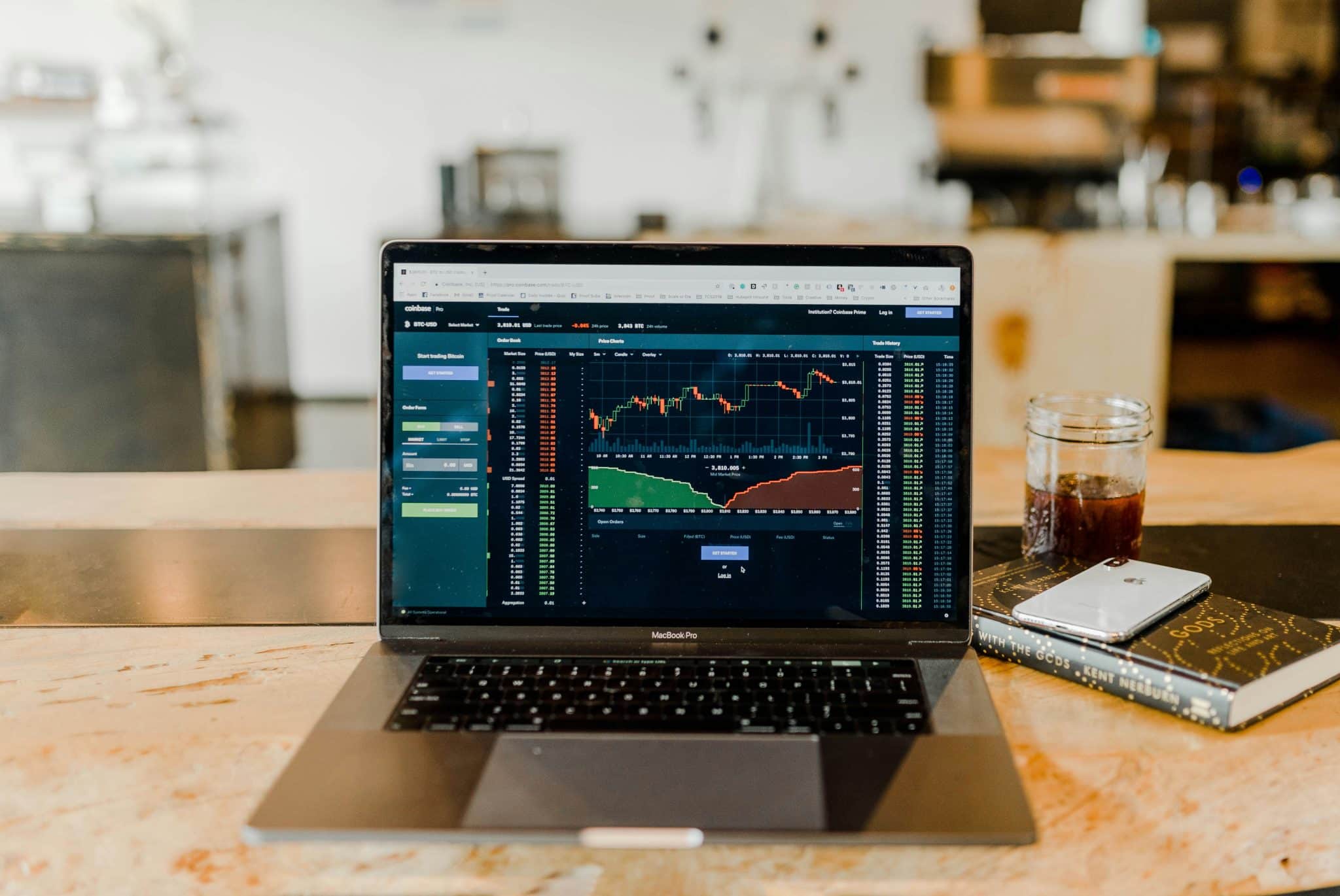
Have you ever wondered how traders profit from rising and falling markets? Contracts for Difference (CFDs) enable traders to speculate on price swings without actually owning the underlying commodity. This method attracts those seeking flexibility, leveraged opportunities, and exposure to various financial instruments. It opens doors to global markets, whether stocks, forex, or commodities.
New traders often struggle to grasp fundamental concepts before placing their first trade. Understanding CFD meaning is essential before diving into strategies, risk management, and market trends. Unlike traditional investing, where assets are physically owned, these contracts rely on price fluctuations. Learning how they work and practical risk mitigation tactics can significantly improve long-term success.
Step 1: Choose a Reliable Trading Platform
Starting with the right platform is crucial for success. A well-designed system provides real-time data, technical analysis tools, and seamless order execution. Before signing up, traders should research different providers and compare fees, available markets, and security features. A secure platform ensures the safety of funds and personal data, which is essential in this sector.
Many platforms offer demo accounts, which allow beginners to practice in a risk-free environment. This feature helps new traders understand order placement, chart reading, and market analysis without using real capital. Choosing a platform that fits individual trading needs ensures a smoother experience and better long-term outcomes. Access to responsive customer support is another key factor, ensuring that any issues or concerns can be resolved efficiently.
Step 2: Understand Leverage and Margin
One of the most attractive features of this trading method is the ability to use leverage. This tool allows traders to control more prominent positions with a smaller initial investment. However, while leverage amplifies profits, it also increases potential losses. Mismanaging leverage can lead to significant financial risks, making it essential to use this tool wisely.
Margin requirements vary depending on the platform and the asset being traded. Before entering any position, they should understand how much capital is at risk. Learning proper risk management techniques helps prevent unnecessary losses and ensures a more sustainable trading approach. Additionally, monitoring margin levels prevents unexpected liquidations, ensuring that positions remain open even during market fluctuations.
Step 3: Develop a Trading Strategy
Success in financial markets isn’t based on luck. A well-defined plan helps traders make informed decisions rather than reacting emotionally to price movements. Beginners should explore different approaches, including trend-following, scalping, and swing trading. Each strategy has strengths and weaknesses, so choosing one that aligns with individual trading styles is essential.
Every strategy requires discipline, patience, and market awareness. Setting straightforward entry and exit points prevents impulsive decisions and reduces emotional trading. A structured plan allows traders to stay consistent and improve their overall performance. Adjusting strategies based on market conditions also helps them stay adaptable, ensuring long-term profitability.
Step 4: Learn Market Analysis Techniques
Understanding how to analyze market trends is a fundamental skill for any trader. Two main types of analysis help traders make predictions: technical and fundamental. Both methods provide valuable insights that enhance decision-making and improve overall performance. Technical analysis focuses on historical price data, using charts and indicators to identify patterns.
Fundamental analysis examines economic reports, interest rates, and global events that impact asset prices. Combining both techniques gives traders a well-rounded view of market movements. Experienced traders often use multiple timeframes to analyze trends, ensuring more accurate predictions. Keeping up with financial news and geopolitical developments further strengthens trading decisions.
Step 5: Manage Risks Effectively
No trading strategy is complete without a strong risk management approach. Limiting losses ensures traders can continue participating in the market without depleting their capital. Stop-loss and take-profit orders help maintain control over open positions, preventing significant losses during unexpected price swings.
Consistently applying these principles safeguards long-term profitability and prevents unnecessary financial stress. Diversification across different markets further reduces exposure to individual asset risks. Additionally, maintaining a trading journal helps traders track their performance and identify areas for improvement.
Step 6: Start Trading with a Demo Account
Before risking real money, beginners should test their skills in a simulated environment. Most trading platforms provide demo accounts that mirror live market conditions. Practicing in this setting builds confidence and refines strategies without financial risk. This allows traders to experiment with different techniques and understand how fluctuations impact positions.
Demo trading helps users familiarize themselves with order execution, market behavior, and technical indicators. Once they gain enough experience, transitioning to a live account becomes easier. Treating a demo account like actual trading enhances preparedness and minimizes costly mistakes. Over time, achieving consistency in demo trading builds a solid foundation for real trading success.
Understanding CFD meaning is the first step in mastering this flexible trading method. A well-defined trading strategy ensures traders can explore different market conditions while minimizing unnecessary risks. With the right mindset and discipline, anyone can enter the trading world and work toward financial success. Staying committed to continuous learning and risk management helps traders confidently explore the complexities of the financial markets.