6 Tips for a Successful Food Truck Business
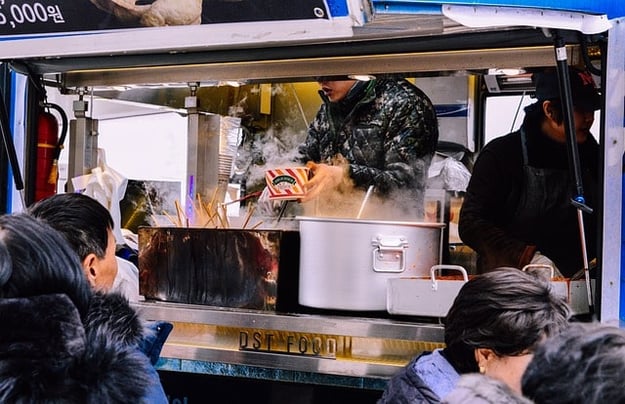
The food truck industry has exploded in recent years, becoming a dynamic alternative to traditional restaurants. For many entrepreneurs, food trucks offer a more affordable and flexible way to break into the food service business. However, while the entry barrier may be lower, running a successful food truck business requires careful planning and strategic execution. From securing legal permits to utilizing data analytics for better decision-making, here are six key tips to ensure your food truck business thrives.
A Solid Plan in Place
You will need funding to start a food truck business plan. It acts as a roadmap to success. A good plan must include the budget, start-up cost, equipment yearly sales, and everything in between. Making a plan seems like a herculean task, but it helps in the long run and serves as a useful guide on your journey.
Besides, don’t forget to include a contingency plan for meeting unforeseen expenses like fluctuating food costs and vehicle repairs. A solid plan builds business resilience.
Legal Permits and Restaurant License
Food businesses require multiple permits to operate as you have to keep up with the multitude of mobile vending laws. Permit requirements vary from city to city. Thus, you need an appropriate license to operate your food truck business in each location. Also, some cities combine all the licensing procedures into one step, while some require you to visit government and notary public offices multiple times.
Read more about your food truck laws regarding food handling, parking, zoning, and inspection process. You may not find the food truck laws in books for some cities. Be cautious in such scenarios before investing your time and money, as once the local government regulates the industry, they may declare your business illegal. So, continuously monitor the local rules and regulations of your specific city.
Use a Data Analytics Platform
Nobody can deny the reality of current times that data is king. Using a data analytics platform can really prove fruitful for your food truck business. You can use such analytics tools to access the freshest food service insights on the market, gain insights on menu items and technology adoption, and ultimately make insight-driven decisions.
For instance – You can apply several filters on a data analytics tool and identify insights on millions of food service profiles, technology stack details, menu items and the list goes on. Suppose you want to know the kings in the beverage industry and make a pact with them. You can learn this by gathering their contact details from the data intelligence platform and then proceeding according to your desires. All in all, having the necessary data by your side helps secure partnerships and build long-term relationships.
The Right Location
Parking your food truck in the right location forms the foundation of your business. And when you are doing that for B2B purposes, that’s even more critical. You want to locate yourself in a space where you can get business clients and partner with other food businesses like restaurants.
Find out more about the local laws and parking ordinances so that you can see whether you are setting up your food truck at the right place. Once you figure out the location, decide your timings and which schedule works best for your potential clients. Some cities may allow food trucks to partner with businesses, offering exclusive lunch deals for corporate employees. Forming these partnerships not only boosts your daily revenue but also opens up avenues for B2B collaborations.
Be Smart with the Food Cost
Managing food costs goes beyond just buying stuff that is hot in the market and hoping for the best outcomes. Food trucks don’t have much margin, so be wise about how you are going to manage your inventory. You can use technological tools to understand which ingredients you need more and which are overstocked or going to waste. It will help you decide on the food cost and prepare the ingredients with an affordable cost structure.
There are times when an ingredient price is increased, which is a common scenario. It can result in supply chain disruptions and delays. Menu engineering and regularly reviewing food cost percentages can help you maximize the profit of your food truck business in such cases.
High Food Quality and Consistency
No matter how efficient your operations are or how great your location is, the success of your food truck ultimately depends on the quality of your food. Maintaining high standards for food quality and consistency is essential for building a loyal customer base and securing repeat business from B2B clients.
Develop standardized recipes and train your staff to follow them to ensure consistency across all dishes. High-quality ingredients, proper food storage, and attention to hygiene and presentation are critical components of a successful food truck operation. Even on your busiest days, the quality of your food should never suffer.
Final Thoughts
Running a successful food truck business is not just about culinary skills; it goes beyond that. A solid plan, legal compliance, smart use of data, and a focus on food quality are essential components for long-term success, especially when targeting a B2B audience. Stay adaptable, innovative, and focused on delivering exceptional experiences, and your food truck will be on the road to success.