Influencer Marketing: Leveraging Influencers in Your Digital Strategy
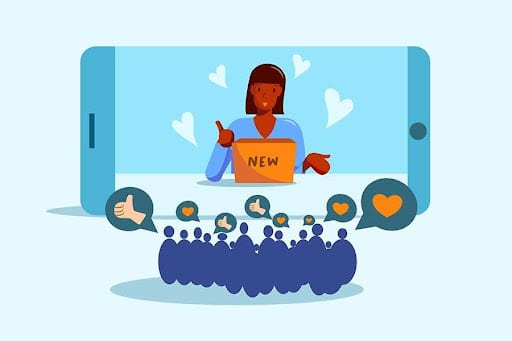
In modern digital marketing, influencer marketing has quickly become a necessary strategy. Over 80% of marketers say influencers are essential to their social media plans, according to a 2023 Sprout Pulse Survey. While celebrities and bloggers used to dominate this space, today’s influencers come from all backgrounds and have loyal followings across social media. These influencers, no matter how big their audience, have the power to shape buying decisions and boost brand engagement.
The influencer marketing industry is likely to be worth $24 billion in 2024. Influencers do more than just promote products—they build trust and connect with their audiences meaningfully. This article explores the key strategies for leveraging influencers in your digital marketing efforts.
What is influencer marketing?
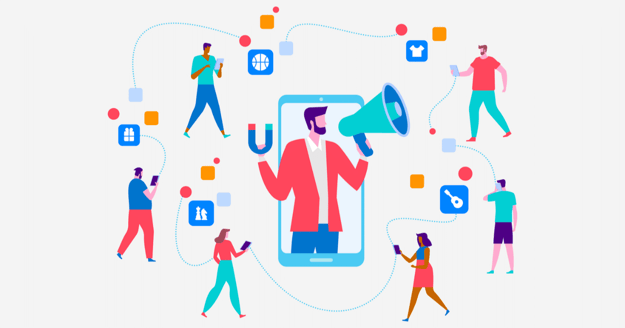
This marketing strategy uses key leaders or influencers to promote a brand’s products or services to the audience. It relies on individuals who have built a strong, authentic relationship with their followers. These people are seen as trustworthy sources of recommendations, making them a powerful tool for brands looking to connect with consumers.
Influencer marketing utilizes influencers’ credibility and reach to deliver targeted content to a highly engaged audience. Right from product reviews and unboxing videos to sponsored posts and giveaways, influencers can create content that naturally integrates your brand into their daily lives.
Types of Influencers

Influencers come in various sizes and niches, so choosing the right type based on your campaign goals and target audience is essential. Use this breakdown of the different types to find the best fit for you:
-
Mega-Influencers
These are typically celebrities or public figures with more than a million followers. While they have a massive reach, they often have less engagement per follower than smaller influencers. Mega-influencers are ideal for campaigns aimed at generating widespread awareness.
-
Macro-Influencers
These people typically have a following between 100,000 and 1 million. They are well-known in their fields and have broad appeal, making them great for brands looking to reach a large but somewhat targeted audience. Typically, their engagement rates are higher than mega-influencers.
-
Micro-Influencers
These influencers usually have between 10,000 and 100,000 followers. They often have highly engaged & loyal audiences within specific niches like fitness, fashion, or travel. Micro-influencers are ideal for brands looking for authentic connections and high engagement, as their followers trust their recommendations more.
-
Nano-Influencers
These personalities typically have less than 10,000 followers but can still be highly effective, particularly within hyper-niche communities. They have the most personal and authentic relationships with their followers, making them perfect for local or niche-focused campaigns.
Benefits of Influencer Marketing
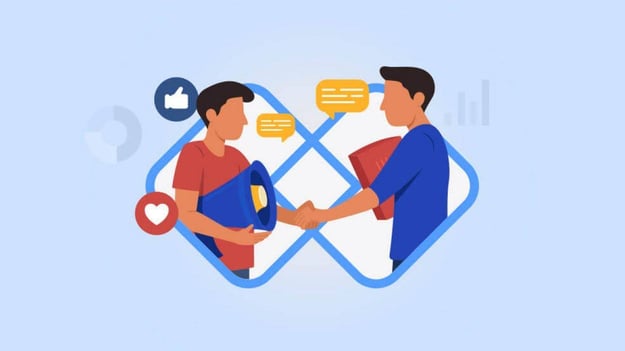
This strategy involves collaborating with influential individuals on social media platforms, which offers numerous business advantages. Here’s a breakdown of the key benefits:
- Increased Reach and Visibility: Partnering with influencers can help you grab a vast audience and increase your brand’s visibility.
- Enhanced Credibility: These personalities lend credibility to your brand by endorsing your products or services.
- Targeted Marketing: By selecting influencers who align with your brand’s values and target audience, you can ensure your message reaches the right people.
- Improved Engagement: Influencers can help you drive engagement with your brand by motivating their followers to interact with your content.
- Faster ROI: This marketing strategy often yields a faster return on investment (ROI) than traditional advertising methods.
Social Media Platforms for Influencer Marketing
Influencers operate across various platforms, each offering different brand opportunities. Here’s a look at some of the top platforms for influencer marketing:
-
Instagram
The visual nature of Instagram ensures that it remains one of the most famous platforms for influencer marketing. Additionally, it offers a wide user base. It’s especially effective for lifestyle, fashion, and beauty brands. Influencers will use Instagram Stories, posts, and IGTV to showcase products.
Platforms like Blastup offer services where you can buy only real likes, ensuring your content gets authentic visibility.
-
TikTok
Gen Z audiences have made TikTok a major platform for influencer marketing. Short, engaging videos allow influencers to promote products fun and creatively. TikTok challenges, viral trends, and Duet features are common for campaigns.
-
YouTube
Longer, more in-depth content is often published on YouTube. Product reviews, tutorials, and unboxing videos are popular formats for influencer marketing on YouTube, and the platform is ideal for demonstrating products in detail.
-
X
Influencers on X use the platform to drive conversations, making it ideal for brands looking to engage audiences in discussions, events, or trending topics. While X is less visual than Instagram or TikTok, its influencers are powerful in thought leadership and industry-related content.
-
Blogs and Other Niche Platforms
Bloggers remain influential, especially in travel, finance, and technology niches. Long-form written content lets bloggers describe products in detail, which can drive conversions through affiliate marketing links.
Additionally, niche platforms like Pinterest or Twitch can be highly effective, depending on your target audience.
Key Strategies for Successful Influencer Marketing
Influencer marketing can successfully bring your target viewers or audiences and reach your marketing goals. Here are some key strategies to consider:
1. Identify the Right Influencers
- Niche Relevance: Look for influencers who specialize in your industry or have a following that aligns with your target audience.
- Engagement Rate: To assess an influencer’s influence and authenticity, consider their engagement rate (likes, comments, shares).
- Align with Brand Values: Ensure the influencer’s values and beliefs align with your brand’s mission.
2. Develop a Clear Influencer Marketing Strategy
- Define Your Goals: Clearly plan the necessities of your influencer marketing campaign, such as higher brand awareness, driving sales, or generating leads.
- Set a Budget: Determine your budget for influencer marketing and allocate funds accordingly.
- Choose the Right Influencers: Select influencers who fit your brand and target audience well.
3. Build Relationships with Influencers
- Reach Out Directly: Connect with influencers through direct messaging or email.
- Engage with Their Content: Interact with their posts and content to build a relationship.
- Offer Value: Provide value to influencers, such as free products or exclusive offers.
4. Create Engaging Content
- Co-Create Content: Collaborate with influencers to create unique, engaging content that resonates with their audience.
- Authenticity: Ensure the content is authentic and aligns with the influencer’s brand.
5. Measure and Analyze Results
- Track Key Metrics: Monitor metrics such as website traffic, sales, & social media engagement to check the effectiveness of your influencer marketing campaign.
- Make Adjustments: Analyze your results and adjust your strategy to optimize your ROI.
Types of Influencer Marketing Campaigns
- Sponsored Content: Content that promotes your brand or product.
- Product Placement: Content that features your product or service.
- Takeovers: Taking over your brand’s social media channels for a specific period.
- Contests and Giveaways: Hosting contests or giveaways featuring your brand’s products.
The End Note
Influencer marketing is vital for businesses to reach their audience, grow brand awareness, and increase sales. Brands that work well with influencers will stay ahead as it keeps growing.
Businesses can see big benefits and lasting success by picking the right influencers, building real connections, and matching their efforts with overall marketing goals.