How to Prepare for Spider Vein Treatment: A Comprehensive Guide
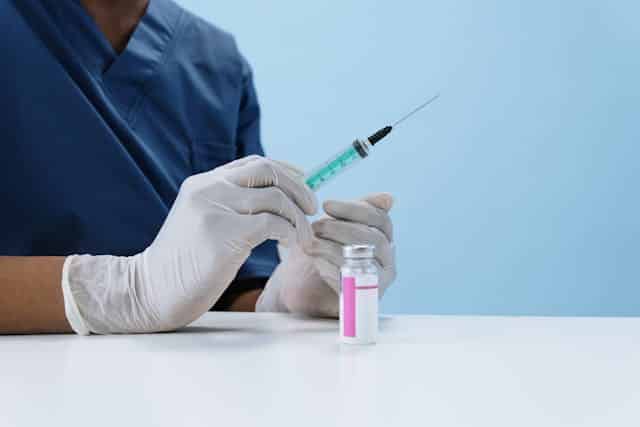
Spider veins, those small, web-like clusters of red, blue, or purple veins visible just beneath the skin, can be more than just a cosmetic concern; they may cause discomfort or indicate underlying circulatory issues. Fortunately, various treatments are available to address spider veins, ranging from sclerotherapy to laser therapy. If you’re considering treatment, proper preparation can enhance the efficacy of the procedure and ensure a smoother recovery. Here’s a comprehensive guide on how to prepare for San Antonio spider vein treatment.
Consult with a Specialist
The first step in preparing for San Antonio spider vein treatment is to schedule a consultation with a qualified specialist, such as a dermatologist or a vascular surgeon. During this appointment, the specialist will assess your spider veins, discuss your medical history, and recommend the most suitable treatment option based on your condition and goals. Be honest about any symptoms you’re experiencing and any medications or supplements you’re currently taking, as this information is crucial for tailoring the treatment plan.
Understand the Treatment Options
There are several effective treatments for spider veins, each with its own preparation requirements:
Sclerotherapy
This involves injecting a sclerosing solution into the affected veins, causing them to collapse and fade. Preparation includes avoiding blood thinners like aspirin and certain supplements that might increase bleeding risk.
Laser Therapy
This method uses focused light to target and destroy the veins. Before treatment, you may need to avoid sun exposure to prevent pigmentation changes.
Endovenous Laser Treatment (EVLT)
This technique treats larger veins with laser energy. Pre-treatment preparation might include wearing compression stockings or avoiding certain medications.
Understanding the specifics of your chosen treatment will help you follow the correct preparation steps.
Review Medications and Supplements
Certain medications and supplements increase the risk of bruising and bleeding. Before your treatment, review your current medications and supplements with your healthcare provider. Common substances to discuss include:
Aspirin and NSAIDs
These can increase bleeding risk, so you might need to stop them a few days before treatment.
Herbal Supplements
Some, like ginkgo biloba and garlic supplements, can also affect blood clotting. Consult your doctor about which supplements to discontinue and for how long.
Adjust Your Lifestyle
Making a few lifestyle adjustments can help optimize your treatment outcomes:
Avoid Sun Exposure
For laser treatments, avoid sun exposure to prevent complications such as hyperpigmentation. Use sunscreen and avoid tanning beds for several weeks leading up to your appointment.
Stay Hydrated
Drink plenty of water to keep your skin hydrated and support overall health. Proper hydration can help your body heal more effectively.
Exercise Moderately
Regular, moderate exercise can improve circulation and help prevent new spider veins from forming. However, avoid strenuous activities right before your treatment as they can increase the risk of bruising.
Arrange for Post-Treatment Care
Proper post-treatment care is crucial for optimal results and recovery:
Prepare for Compression
If your treatment involves sclerotherapy or EVLT, you may need to wear compression stockings for a period following the procedure. Have a pair ready and follow your specialist’s guidelines on usage.
Plan for Rest
Arrange for some downtime after the treatment. While recovery times vary, plan to rest and avoid any strenuous activities that could impact the treated area.
Follow Up
Schedule a follow-up appointment with your specialist to monitor the results and address any concerns. This is also a good time to discuss any post-treatment care instructions.
Final Words
Preparing for spider vein treatment involves a blend of understanding your treatment options, adjusting your medications and lifestyle, and arranging for effective post-treatment care. By taking these steps, you can enhance the effectiveness of your treatment and facilitate a smoother recovery. Remember, a successful outcome starts with thorough preparation, so take the time to follow these guidelines and consult with your specialist to ensure the best possible results for your spider vein treatment.