What Services Do Medical Interpreter Companies Perform?
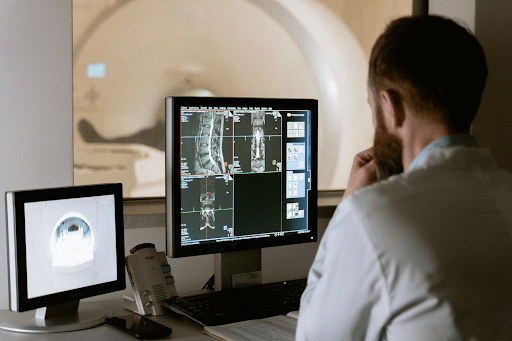
Interpreters from accredited companies require exceptional language skills in English and the native tongue of their patients, knowledge of medical terminology, and commitment to national standards and ethics. To learn more about what services a medical interpreter performs – and if this career is right for you – read on.
What is an Interpreter?
They are bilingual individuals trained to facilitate communication between doctors and patients who speak different languages, helping bridge the divide. According to the Bureau of Labor Statistics, demand for healthcare interpreters has skyrocketed as immigration levels in the US increase rapidly.
While translators specialize in written documents translation, interpreters specialize in real-time oral translation from spoken words (www.bls.gov/ooh/media-and-communication/interpreters-and-translators.htm) something translators cannot do effectively without knowledge of both cultures and colloquialisms in both languages. Although not necessary, many interpreters possess a bachelor’s or master’s degree in language arts.
Aside from possessing native fluency in both languages, interpreters must complete extensive formal classroom training and examinations that cover topics such as medical terminology, healthcare systems, sensitivity issues, roles/limitations issues, and the course of medical visits across diverse settings. They must abide by a stringent code of professionalism emphasizing accuracy, confidentiality, HIPAA compliance, and advocacy.
Interpreters work at various healthcare organizations, such as physician offices, hospitals, nursing homes, mental health clinics, and rehabilitation facilities. While some work for interpretation agencies or operate their own businesses providing their services either directly to customers in person or remotely via telephone and video conference.
How Do I Become an Interpreter?
As a medical interpreter, you’ll work in healthcare settings to provide real-time translations for patients who lack English language abilities. Or, for those who require translation services due to medical needs. With increasing demands for qualified interpreters in today’s environment, this field offers great potential.
According to this article on Indeed, aspiring interpreters must follow several steps when starting their careers. First and foremost is enrolling in an interpreter training program designed for this career path. This should include classroom instruction and hands-on clinical experience.
Course topics should cover basic and advanced interpreting skills as well as medical terminology, ethics standards of practice, cross-cultural communication, memory development/note-taking training, and intonation changes for less accented speech as well as an introduction to the U.S. healthcare system.
Maintain your credentials by attending continuing education courses and taking additional language proficiency tests. Each certifying agency may have unique requirements that need to be researched thoroughly in order to comply with them.
Once you’ve completed your initial training and earned your credential, it is advisable to apply for entry-level positions at hospitals, doctor’s offices, or mental health clinics. Achieving success in these initial positions will provide invaluable experience while building connections within the industry. This is essential in propelling future career advancement efforts forward.
What are the Job Duties of an Interpreter?
Medical interpreters are invaluable members of any care team. They have expertise in both source and target languages, and knowledge of healthcare terminology and procedures. Furthermore, they have cultural sensitivity, the ability to remain calm during stressful situations, and an understanding of HIPAA policies. Interpreters play a critical role in healthcare settings such as hospitals, private practice offices, clinics, and rehabilitation centers. However, they often work evenings and weekends to meet client demands.
One of the primary duties of an interpreter is accurately translating verbal and written communication between doctors and patients. They also provide emotional support, and guidance, and host meetings between non-English speaking clients and health care providers, Finally, they facilitate meetings between clients who don’t speak English and those that do. A good interpreter must possess both extraordinary interpersonal and detail-oriented abilities.
Interpreters must abide by stringent confidentiality requirements as part of their job responsibilities. Especially, as they gain access to sensitive patient data. Interpreters from a medical interpreter company, for instance, are trusted to never edit, add to, or add personal opinions into patient conversations. In fact, they always remain impartial. Thus, continue their professional growth by participating in ongoing training and professional development courses.
What are the Qualifications to Become an Interpreter?
Qualifications necessary for becoming an interpreter include being fluent in both English and the language of your patients. Additionally, expertise in medical terminology training is necessary, as is knowledge of healthcare systems in both countries. Medical interpreting demands great concentration, accuracy, and detail. Thus, helping doctors, nurses, and healthcare professionals communicate with patients more easily while staying neutral during their duties.
Credentialing organizations require you to pass both written and oral examinations. The former assesses your interpreting skills as well as your knowledge of healthcare in both languages. However, the latter tests your ability to handle various scenarios when interpreting. Some organizations require the completion of continuing education units annually in order to maintain your credentials.
Start out as an entry-level interpreter by applying for entry-level positions in hospitals, doctor’s offices, or mental health clinics. These opportunities give you real-world experience in medical interpreting. However, they also can give your career path an early boost by giving you valuable connections within healthcare industries as you navigate them successfully.