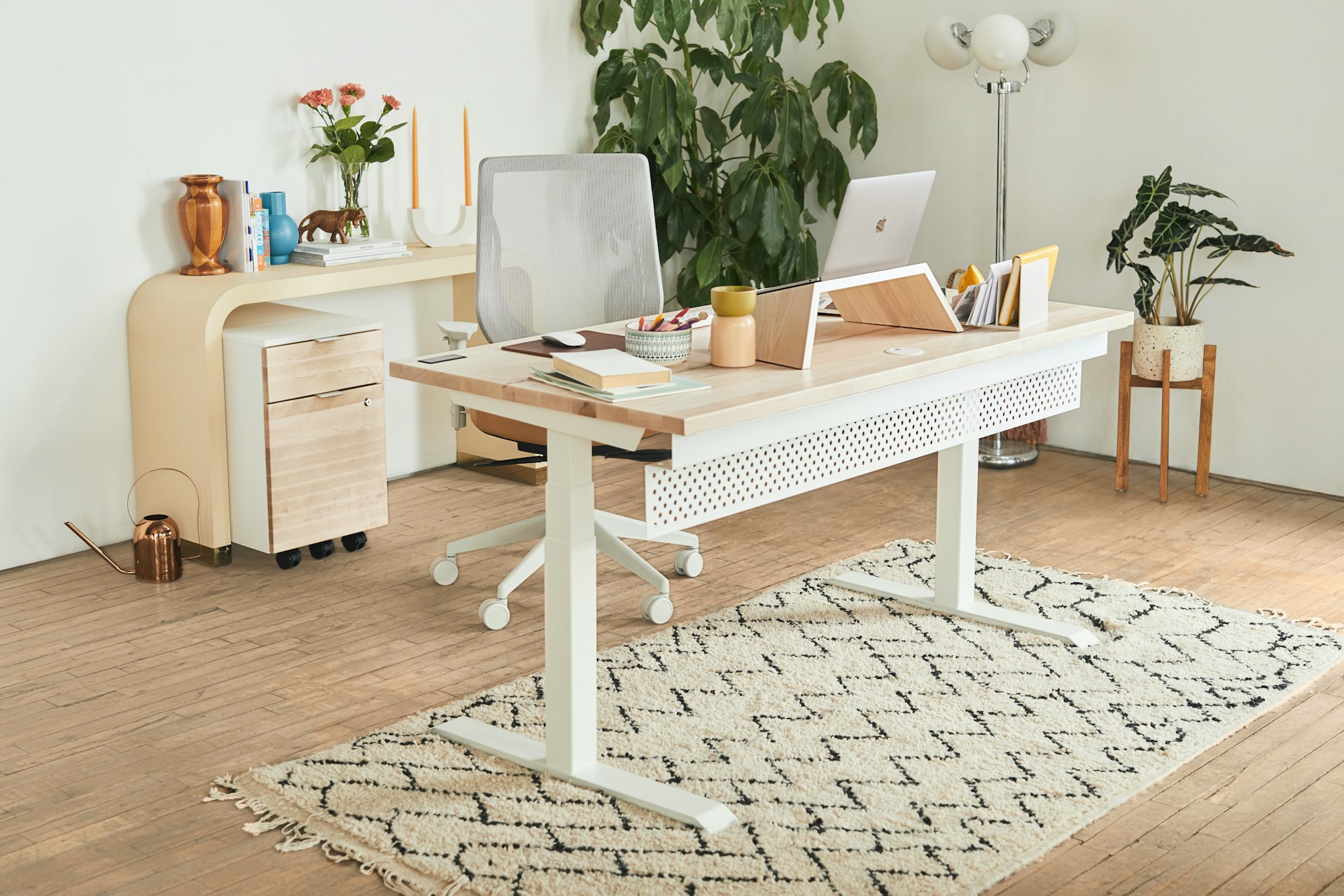
Why Client Perception Matters in a Public Office
First impressions form in seconds. A potential client walks through your door, and before they even shake your hand, they have already made judgments about your business. The layout of your space, the lighting, the cleanliness, and the furniture all speak volumes about your professionalism and attention to detail.
Everything communicates a message of some form in a public office. Your physical environment is a silent salesperson, either building trust or eroding confidence. It’s important to understand why client perception matters in a public office so that you master first impressions.
Building Trust Through Professionalism
Trust is the foundation of any business relationship. When clients visit your office, they look for signs that you run a competent, organized operation. A cluttered, outdated, or poorly maintained space suggests a lack of care. If you cannot manage your own office effectively, clients may wonder how you will manage their accounts or projects.
Investing in a well-designed environment demonstrates respect for your clients and your work. It shows stability and success. A polished office tells visitors that you take your business seriously.
The Role of Comfort and Functionality
An uncomfortable client is a distracted client. If your waiting area features worn-out chairs or harsh lighting, visitors will focus on their discomfort rather than your services.
Consider the functionality of your space. Does the flow make sense? Is there privacy where needed? These elements influence how a client feels during their visit.
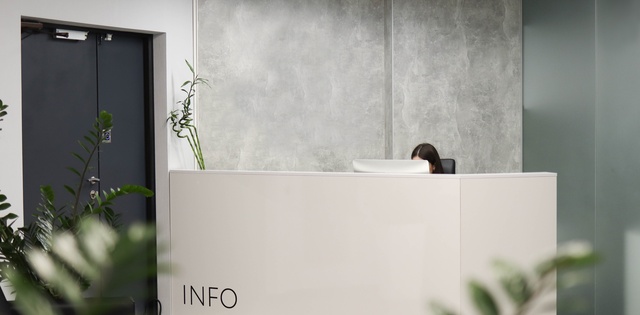
When purchasing office reception desks, consider how the piece functions as a focal point. It should look welcoming but also provide a practical workspace for your reception staff. A high counter might offer privacy for sensitive documents, while a lower section ensures accessibility for all visitors.
Reflecting Brand Identity
Your office is a physical manifestation of your brand. A creative marketing agency might thrive with open spaces, bold colors, and modern art. A law firm might prefer traditional wood finishes and private meeting rooms to convey authority and confidentiality.
If your physical space contradicts your brand message, you create cognitive dissonance for the client. Aligning your office design with your brand values reinforces your message.
- Modern and Innovative: Use sleek lines, glass partitions, and integrated technology.
- Traditional and Reliable: Choose substantial furniture, classic colors, and structured layouts.
- Eco-Friendly: Incorporate plants, natural light, and sustainable materials.
Creating a Positive Emotional Response
People remember how you make them feel. A welcoming atmosphere puts clients at ease, making them more open to conversation and collaboration.
Small details matter. Fresh flowers, a clean scent, and organized reading materials contribute to a positive experience. Even the temperature and background noise levels play a role. By controlling these environmental factors, you shape the client’s emotional journey from the moment they arrive.
Enhancing Employee Morale and Productivity
Client perception in a public office links directly to employee satisfaction. Your team acts as the face of your company. If they work in an uninspiring or dysfunctional environment, their morale and productivity suffer.
Reviewing office planning tips to enhance your workplace can help you design a space that benefits your team and your visitors. Simple changes, such as ergonomic seating or better break areas, improve staff well-being, which spills over into client interactions. Take a good look at your office and what it says about your brand.