What Makes Some Product Ideas Harder To Build Well
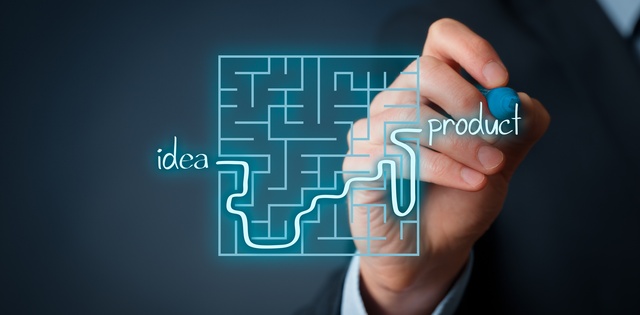
When coming up with a new idea, the rough concept feels promising because the customer need makes sense, and the first version sounds simple when someone explains it in a meeting. However, some product ideas just seem to work better on a whiteboard than they do on a workbench.
However, that doesn’t mean you should give up on it. You just need to understand what makes some product ideas so hard to build well. Once you do, ironing out those issues will become much more doable.
The Idea Depends on Tight Functionality
Some products leave very little room for guesswork. If a part has to move under pressure or stand up to daily handling, the design needs more than a clever concept. It needs engineering decisions that account for how the product will behave after the first impression wears off.
This is where teams can lose time if they treat technical details as late-stage cleanup. Outsourcing mechanical engineering services can be quite beneficial for small companies in this case since they might not have sufficient in-house support to test the design properly. This kind of skilled partner will help catch weak points before they become expensive redesigns.
The User Experience Has to Survive Real Use
A product can look clear in a mockup and still feel awkward once someone tries to use it. This is especially common when the original idea came from a marketing insight or a customer complaint. The business may understand the problem well, but the physical solution still has to feel natural in someone’s hands.
That is the true benefit of making prototype products before the final design gets too far along. A prototype gives the team a way to observe real behavior rather than relying solely on assumptions. If people grip it differently than expected or struggle with one step, the team can adjust while the product is still in a flexible stage.
The Business Case Is Sensitive to Small Choices
In the end, some product ideas become harder to build because each design choice affects the financial model. For example, a slightly more complex part may raise production costs enough to change the price point. A better material could also improve the product, but it might make shipping harder than expected.
For small teams, these decisions can shape whether the product is realistic to launch. A good build process connects design choices to the business case early, so the team is not surprised after money has already been spent. The best product ideas are not just creative; they are built with enough discipline to survive the practical side of getting made.