What Every Landlord Should Know About Cleaning Between Tenants
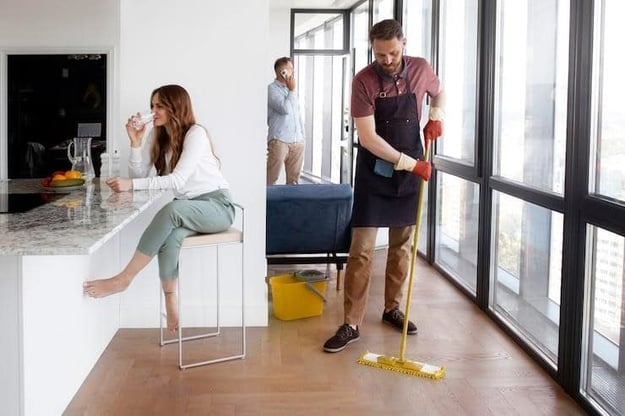
Do you clean up your rental unit in between tenants? If not, you are not fulfilling all the responsibilities you hold as a landlord. It is true that cleaning the rental unit every time between tenants can be expensive and time-consuming. However, it can leave a positive impression on the minds of tenants and help you ensure their satisfaction. On top of that, you will be able to protect your investment in the long term as well. Read on and let’s learn more about why you should do it.
Do Landlords Have to Clean Between Tenants? Understanding Your Responsibilities
While there may not be laws that explicitly state landlords must clean rental units between tenants, you do have certain responsibilities related to turning over the property that require cleaning. Additionally, thoroughly cleaning and preparing the unit benefits you as the owner in several ways.
First, most lease agreements include an expectation that the landlord will deliver a habitable, well-maintained unit. This is implied even without specifically stating so in the lease. While definitions of “habitable” vary by state, at minimum, it means providing a space that is structurally sound, weathertight, clean, and operating properly upon move-in. If you do not clean adequately and tenants move into a dirty or unsafe unit, they can sue for breach of contract.
You also want to leave a good impression and attract responsible, long-term tenants by thoroughly cleaning between occupants. Keeping the unit well-maintained, fresh-smelling, and spotless when making repairs demonstrates that you care about the property, which encourages prospective residents to take care of it too.
Additionally, cleaning thoroughly between tenants preserves your rental investment and prevents excessive damage from occurring. For example, by wiping crumbs and sticky spills that can attract pests, regularly cleaning carpets to reduce embedded dirt, dust, and allergens, and keeping bathrooms mold-free, you reduce wear and tear expenses when tenants move out. This allows you to refund more of the security deposit.
Best Practices for Preparing Your Property for New Tenants
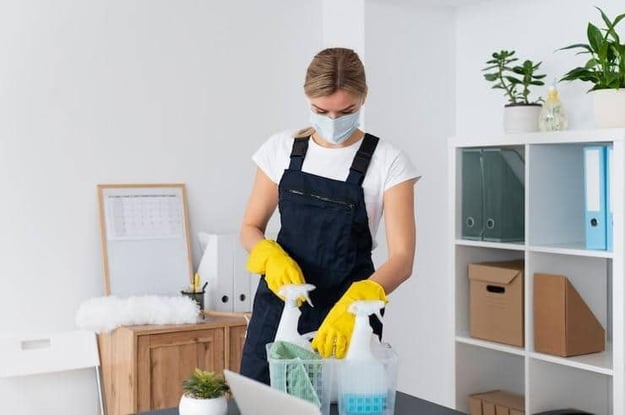
While cleaning your rental property between tenants, you need to follow best practices. Here are a few to consider.
-
Thoroughly clean everything
Leave no surface untouched—clean walls, floors, countertops, cabinets, appliances inside and out, light fixtures, fans, windows, blinds, etc. Wash all linens, disinfect bathrooms, and the kitchen. Make it shine to make a good first impression.
-
Inspect and make repairs
Walk through with a fine-tooth comb to check for damage and signs of wear and tear. Fix leaky faucets, holes in screens, sticky doors and windows, appliance function, wall dings—anything broken or showing excessive signs of previous occupants.
-
Paint if needed
If scuffs and marks remain after cleaning, prep, and painting the walls in neutral colors. At minimum, paint high-traffic areas and trim them to give a clean, refreshed look. Paint outdoors if exterior surfaces are faded or worn.
-
Deep clean carpets
Shampoo carpets and rugs or extract deep dirt, then vacuum once fully dry. If unsalvageable, consider replacements now to avoid security deposit fights later.
-
Replace AC filters and prep appliances or fireplaces
Swap AC filters monthly, but especially now when turnover happens. Clean out old ashes, soot, and debris from chimneys, fireplaces, and ovens so they’re safe to use. Rinse the fridge ice maker and give appliances an internal wipe down.
Following best practices for cleaning, repairs, and preparing the property signals to tenants—and yourself—that you intend to keep up the units properly. Putting in elbow grease or hiring help to get your rentals turnover ready makes your job easier once it’s occupied again. These efforts create positive impressions, so you start new leases off on the right foot.
How to Maintain Your Rental Property to Ensure Long-Term Success
The demand for quality property management in Boston continues to rise as the city’s housing market grows. However, owning an investment property comes with ongoing obligations even after it’s occupied. Maintaining your rentals well keeps things running smoothly and preserves their condition, leading to happier tenants, fewer headaches for you, and bigger returns down the road. Follow these recommended property management practices:
-
Inspect regularly and address issues promptly
Swing by quarterly to check for developing problems tenants may not notice yet—drips indicating a leak, cracking pavement, etc. Nip issues in the bud before they worsen. Respond quickly to maintenance requests for minor repairs, and you’ll prevent major damage over time.
-
Stick to a maintenance schedule
Replace filters, flush water heaters, inspect fire extinguishers, clean out dryer vents, and check carbon monoxide detectors based on recommended timelines. Being proactive on routine tasks keeps everything functioning efficiently, for fewer emergency maintenance situations.
-
Establish a capital repairs fund
Set aside long-term savings earmarked for future big-ticket repairs like roof or HVAC replacement so you’re financially prepared. Having dedicated capital reserves ensures you can pay for major overhauls when something eventually wears out from regular use.
-
Keep up with seasonal maintenance
In the fall, power wash siding, clean eaves and downspouts, and remove leaves from gutters. Prune overgrown trees and bushes, fertilize lawns, and check irrigation systems in spring—essential seasonal upkeep extends the longevity of your property’s exterior.
-
Consider upgrades strategically
Installing granite countertops or hardwood floors during turns can justify slightly higher rents. But consult projected returns on investments before sinking too much into discretionary improvements upfront.
Taking pride of ownership in protecting your investment also attracts residents who will value living in a nicely kept rental. Keeping your property well-maintained yields higher occupancy rates, improved tenant retention, and increased rents over time.
Final Words
Before moving into a new apartment, you might ask, do landlords have to clean between tenants, and what the standard practice is in your area. While laws may not outright require cleaning between tenants, you still have an obligation to deliver and maintain safe, habitable premises. Doing a deep clean before new tenants move in also supports your financial interests through faster turnover, satisfied tenants who stay longer, and avoiding costly maintenance and repairs down the road. Preparing the unit properly requires hands-on cleaning, hiring a professional crew, or a combination.