What Are The Environmental Benefits Of Using Aqueous Parts Washers?
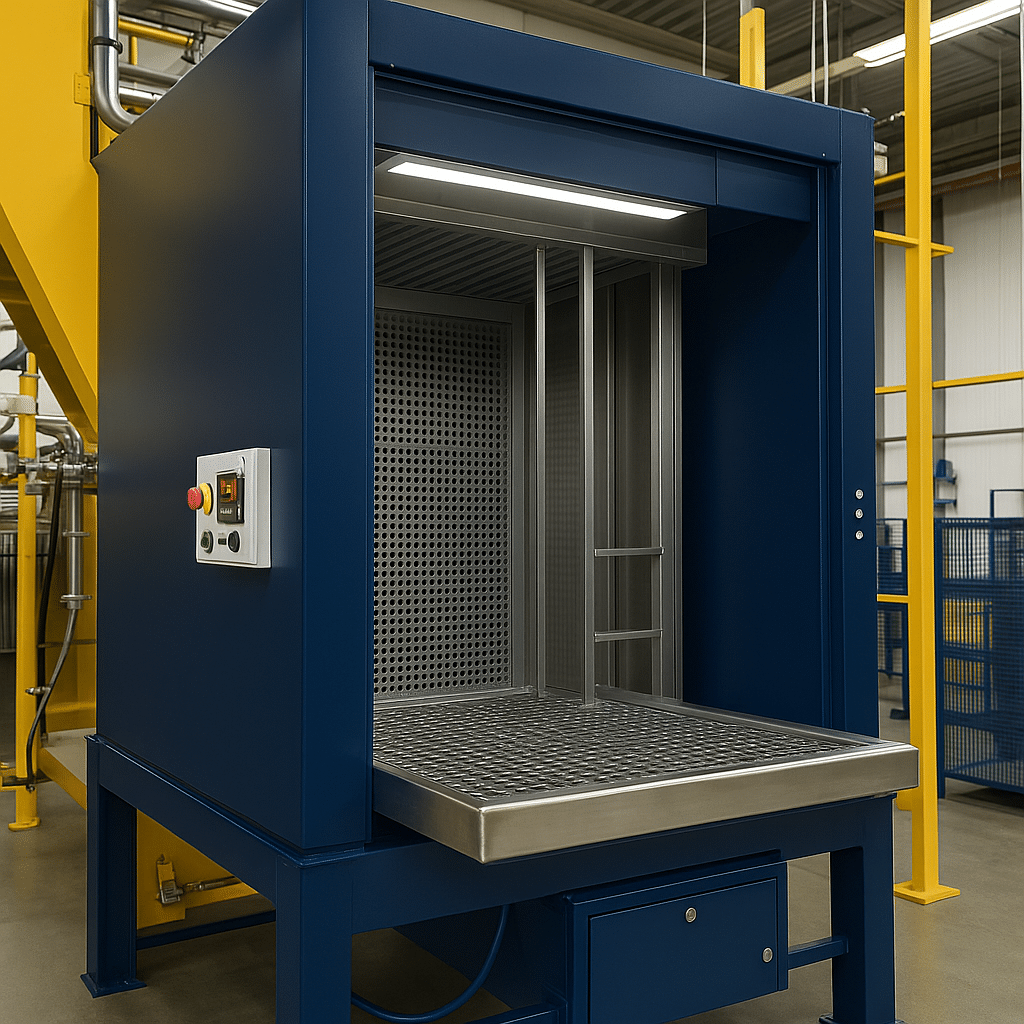
As industries strive to adopt more eco-friendly practices, many seek ways to reduce their environmental impact while maintaining efficiency. One area of particular interest is the cleaning of machine parts and components. What are the environmental benefits of using aqueous parts washers?
Aqueous parts washers offer significant environmental benefits by reducing harmful emissions, eliminating the use of toxic solvents, and conserving water through recycling systems. They typically use biodegradable detergents and can reduce waste by up to 90% compared to traditional solvent-based cleaners.
While this brief answer highlights the key environmental advantages, there’s much more to explore about aqueous parts washers. Understanding the full scope of their benefits and how they compare to other cleaning methods can help you make a more informed decision for your specific needs and environmental goals.
How Do Aqueous Parts Washers Compare To Solvent-Based Cleaners?
Aqueous parts washers and solvent-based cleaners are two common methods for cleaning industrial parts, but they differ significantly in their environmental impact and operational characteristics. Solvent-based cleaners typically use volatile organic compounds (VOCs) that can harm human health and the environment. These solvents often release toxic fumes, contribute to air pollution, and pose soil and water contamination risks if not properly disposed of.
In contrast, aqueous parts washers use water-based cleaning solutions that are much safer for workers and the environment. They eliminate the need for hazardous solvents, reducing the risk of air pollution and toxic exposure. Additionally, aqueous systems often incorporate filtration and recycling mechanisms, which allow the cleaning solution to be reused multiple times before disposal. This not only reduces water consumption but also minimizes the amount of waste generated.
While solvent-based cleaners may be more effective for certain types of heavy grease or oil contamination, advances in aqueous cleaning technology have made water-based solutions suitable for various industrial cleaning applications. Many industries are finding that aqueous parts washers can match or exceed the cleaning performance of solvent-based systems while providing significant environmental and safety benefits.
What Are The Long-Term Cost Implications Of Switching To Aqueous Parts Washers?
When considering a switch to aqueous parts washers, many businesses are concerned about the initial investment and long-term costs. While it’s true that the upfront cost of an aqueous system may be higher than that of a traditional solvent-based cleaner, the long-term financial benefits often outweigh this initial expense.
One of the primary cost advantages of aqueous parts washers is the reduced expense for cleaning solutions. Water-based detergents are typically much less expensive than specialized solvents, and their biodegradable nature often means lower disposal costs. Furthermore, because aqueous systems can recycle and reuse cleaning solutions, businesses can significantly reduce their overall consumption of cleaning agents.
Maintenance costs can also be lower with aqueous systems. The non-corrosive nature of water-based cleaners means less wear and tear on the washing equipment, potentially extending its lifespan. Additionally, the safer nature of aqueous cleaners can lead to reduced costs associated with hazardous material handling, storage, and disposal.
Another factor to consider is the potential for energy savings. Many modern aqueous parts washers are designed with energy efficiency in mind, incorporating features like insulation and heat recovery systems. Over time, these energy-saving features can contribute to lower operational costs.
Are There Any Industries Or Applications Where Aqueous Parts Washers Are Not Suitable?
While aqueous parts washers offer numerous environmental and operational benefits, they may not be the ideal solution for every industry or application. Some specific scenarios may require alternative cleaning methods or specialized solvent-based solutions.
One area where aqueous cleaners may face challenges is in the cleaning of highly sensitive electronic components. Water-based solutions can cause corrosion or damage to delicate electronic parts if not properly controlled. Specialized cleaning methods like vapor degreasing or ultrasonic cleaning with non-aqueous solvents might be more appropriate in these cases.
Another consideration is the cleaning of parts with complex geometries or hard-to-reach areas. While modern aqueous systems have significantly improved their ability to clean intricate parts, there may still be instances where solvent-based cleaners are more effective at penetrating and cleaning these difficult areas.
Certain materials may also be incompatible with water-based cleaning solutions. For example, some metals or alloys prone to rapid oxidation might require specialized non-aqueous cleaning methods to prevent corrosion or other forms of degradation.
It’s worth noting, however, that ongoing research and development in aqueous cleaning technology continues to expand its applicability across various industries. Many challenges that once limited the use of aqueous cleaners are being overcome through innovations in cleaning chemistries and equipment design. As a result, the number of applications where aqueous parts washers are not suitable continues to decrease.
What Advancements Are Being Made In Aqueous Parts Washing Technology?
The field of aqueous parts washing is continuously evolving, with new technologies and innovations emerging to improve efficiency, effectiveness, and environmental performance. One significant area of advancement is developing more powerful and specialized cleaning agents. Researchers are formulating new biodegradable detergents that can tackle stubborn contaminants without harsh chemicals, expanding the range of applications for aqueous systems.
Another exciting development is the integration of automation and smart technologies into aqueous parts washers. Modern systems incorporate sensors and data analytics to optimize cleaning cycles, adjust real-time parameters, and reduce resource consumption. This improves cleaning performance and contributes to greater energy efficiency and water conservation.
Ultrasonic technology is also being increasingly incorporated into aqueous parts washers. Using high-frequency sound waves to create microscopic bubbles in the cleaning solution, ultrasonic cleaning can effectively remove contaminants from even the most intricate parts and hard-to-reach areas. This technology is particularly useful in aerospace and medical device manufacturing, where precision cleaning is critical.
Furthermore, advancements in filtration and recycling systems make aqueous parts washers even more environmentally friendly. New filtration technologies can remove contaminants more effectively, allowing cleaning solutions to be reused for longer. Some systems even incorporate closed-loop recycling, where wastewater is treated and reused on-site, dramatically reducing water consumption and waste generation.
How Can Businesses Transition To Aqueous Parts Washers While Minimizing Disruption?
Transitioning from traditional solvent-based cleaning methods to aqueous parts washers can seem daunting for many businesses. Still, the process can be smooth and minimally disruptive with proper planning and implementation. The key is to approach the transition strategically and in phases.
Start by conducting a thorough assessment of your current cleaning needs and processes. Identify which parts and contaminants you’re dealing with, and consult with aqueous parts washer manufacturers to determine the most suitable system for your specific requirements. Many suppliers offer testing services where you can send sample parts to be cleaned, allowing you to evaluate the effectiveness of aqueous cleaning for your application.
Once you’ve selected an appropriate system, consider implementing it alongside your existing cleaning methods. This parallel operation allows your team to become familiar with the new equipment and processes without completely abandoning the old system. It also allows to fine-tune the aqueous cleaning process for optimal results.
Training is crucial for a successful transition. Ensure that all relevant staff members receive comprehensive training on the operation and maintenance of the new aqueous system. This includes not only the cleaning process itself but also the proper handling of the new cleaning solutions and any necessary safety protocols.
Gradually phase out the old solvent-based cleaning methods as you become more confident in the aqueous system’s performance. During this transition period, closely monitor cleaning results and gather feedback from operators and quality control personnel. This information can be valuable for making necessary adjustments to the new process.
Finally, remember to communicate the benefits of the new aqueous system to all stakeholders. Highlighting the environmental advantages, improved worker safety, and potential cost savings can help build support for the transition throughout the organization. With careful planning and execution, the switch to aqueous parts washers can be a smooth process that yields long-term benefits for your business and the environment.
Optimizing Your Cleaning Process
Now that you understand the environmental benefits and practical considerations of aqueous parts washers, it’s time to take action. Contact reputable manufacturers or suppliers of aqueous parts washing systems and request a demonstration or trial of their equipment with your specific parts and contaminants. This hands-on experience will give you valuable insights into how an aqueous system could work for your unique needs and help you decide about transitioning to this more environmentally friendly cleaning method.