Tips for Enhancing Your Learning Experience in Arts
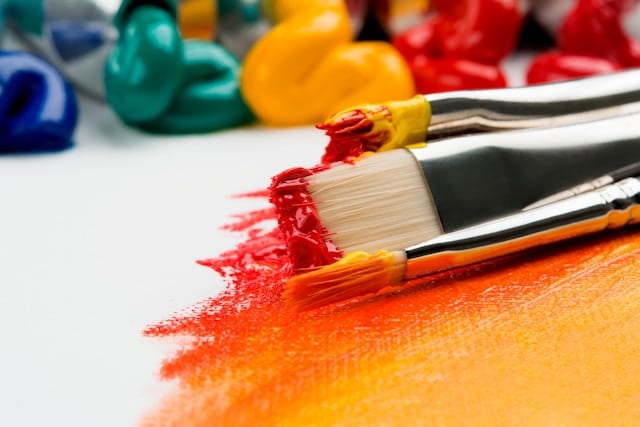

Embarking on a journey in the arts can be both exciting and challenging. Whether you’re a beginner eager to explore new techniques or an experienced artist looking to refine your skills, enhancing your learning experience is key to making the most of your artistic endeavors. With the right approach, you can turn your passion for art into a rewarding and fulfilling journey.
Improving your art skills doesn’t have to be overwhelming. Simple, actionable steps can lead to significant growth and satisfaction. From personalized instruction through private lessons to creating a dedicated workspace, each choice you make plays a role in your artistic development. Experimenting with different mediums, setting clear goals, and staying inspired are also crucial for nurturing creativity and progress.
In this guide, you’ll find practical tips for enhancing your learning experience in the arts. These strategies are designed to help you develop your skills, stay motivated, and make the most out of your time and effort.
-
Consider Joining Private Art Lessons
Private art lessons offer a unique opportunity to focus intensely on personal interests and artistic goals. Personalized instruction is a significant advantage of one-on-one classes, providing tailored guidance that matches individual learning styles and preferences. Furthermore, this approach allows artists to dive deep into specific areas of art they are passionate about, whether it’s sketching, painting, or exploring various styles and techniques.
In private art lessons, there are no limits to the styles or concepts that can be tackled. Whether the focus is on landscapes, the human form, still-life, fantasy, or cartooning, the instruction can be customized to fit the artist’s interests. This flexibility ensures that each lesson is relevant and engaging. To develop your artistic skills more effectively, join private art lessons at Muzart Music and Art School, where personalized instruction is tailored to your interests and goals.
-
Set Clear Goals for Your Art Journey
Setting clear goals is essential for making the most of your art education. Therefore, defining what you want to achieve helps to provide direction and focus. Goals should be specific, measurable, achievable, relevant, and time-bound (SMART). For example, an artist might set a goal to complete a series of three landscape paintings within six months.
Creating realistic and measurable goals helps track progress and maintain motivation. Regularly assessing achievements and adjusting goals as needed ensures continued growth and improvement. This approach allows for flexible adaptation to new interests or changes in artistic direction.
-
Create a Dedicated Art Space
Having a dedicated art space can significantly enhance the learning experience. A specific area set aside for creating art helps organize materials and minimize distractions. This designated space should be comfortable and well-lit to facilitate creativity and focus.
Effective organization of art supplies, such as paints, brushes, and sketchbooks, is crucial for maintaining an efficient workspace. An organized environment promotes productivity and reduces the time spent searching for materials. Additionally, having a dedicated area for art encourages more consistent practice and engagement with the craft.
-
Experiment with Different Mediums and Techniques
Exploring various mediums and techniques can be a valuable part of an artist’s development. Trying out different art forms helps discover what resonates most with personal interests and artistic style. Experimentation can range from using new materials, such as charcoal or watercolor, to applying different techniques, like blending or layering.
Balancing experimentation with focused practice is important. While it’s beneficial to explore new methods, honing specific techniques through dedicated practice is equally essential. This approach ensures that artistic skills are well-rounded and adaptable.
-
Stay Inspired and Motivated
Maintaining inspiration and motivation is key to a successful art journey. Artists can draw inspiration from various sources, such as art exhibitions, nature, or personal experiences. Keeping a sketchbook to jot down ideas or inspirations can be helpful for ongoing creativity.
Overcoming creative blocks is a common challenge, but there are strategies to address it. Taking breaks, engaging in different creative activities, or seeking feedback from peers can provide new perspectives and ideas. Regular practice, combined with a commitment to exploring new concepts, helps keep motivation high and creativity flowing.
-
Seek Feedback and Constructive Criticism
Seeking feedback and constructive criticism is crucial for artistic growth. Feedback helps identify strengths and areas for improvement, offering valuable insights that can refine skills. Furthermore, engaging with mentors, peers, or art communities provides different perspectives on one’s work, which can enhance learning and development.
Receiving constructive criticism requires an open mind. Artists should approach feedback with a willingness to learn, focusing on how to apply suggestions to improve their work. Constructive criticism is meant to be supportive and informative, not discouraging. Engaging in regular critique sessions or joining art groups can facilitate this process, offering a platform for exchanging ideas and receiving diverse input.
-
Invest in Quality Art Supplies
Investing in quality art supplies is an essential aspect of creating compelling artwork. The materials used can significantly impact the final outcome, affecting aspects like color accuracy, texture, and overall durability. High-quality paints, brushes, and paper often result in more satisfying and professional-looking results.
While quality supplies can be more expensive, they are often more effective and durable, providing better performance and longevity. Therefore, budgeting for quality materials ensures that artists have the tools they need to achieve their artistic goals. It’s important to research and choose supplies that match individual needs and preferences, investing in essentials that enhance the overall art-making experience.
-
Practice Regularly and Consistently
Regular and consistent practice is fundamental to improving artistic skills. Setting aside dedicated time for art practice helps build and refine techniques over time. Creating a routine that incorporates regular practice sessions can lead to steady progress and mastery of different skills.
Consistency in practice allows artists to develop their style and approach more effectively. Even short, focused practice sessions can be beneficial. Balancing art practice with other commitments requires planning, but maintaining a regular schedule ensures continued growth and engagement with the craft.
Enhancing your learning experience in the arts involves a multifaceted approach. Consider private art lessons, setting clear goals, creating a dedicated workspace, and experimenting with various mediums to stay motivated. This can significantly improve your skills and enjoyment. Furthermore, seeking feedback, investing in quality materials, practicing consistently, learning from art history, and utilizing online resources further contribute to a rich and effective learning experience. Combining these strategies ensures a comprehensive and fulfilling artistic journey, leading to personal growth and creative achievement.