Smoother Borders: Making Imports and Exports Work Efficiently
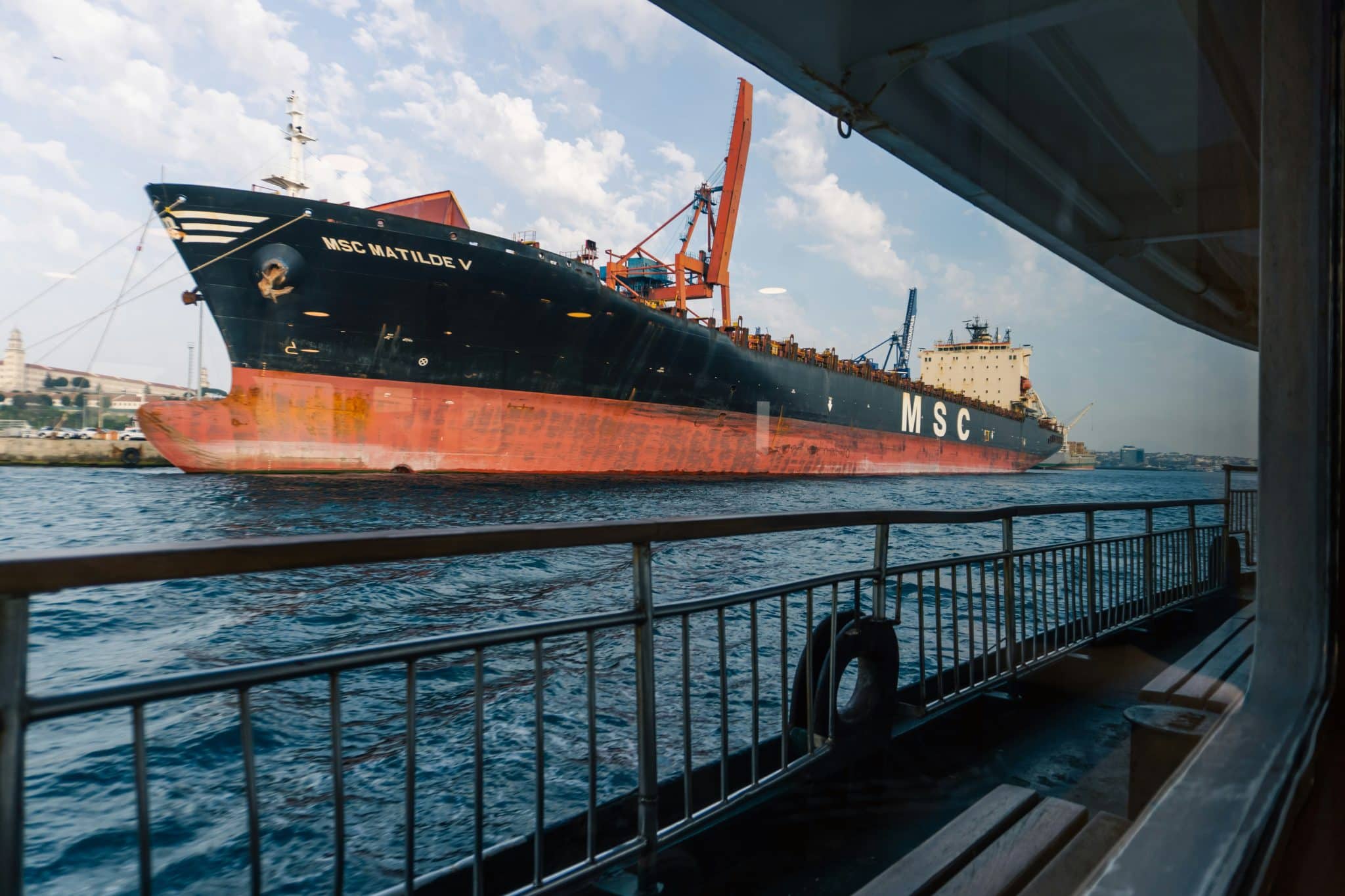

Moving goods across international borders takes more than arranging transport. Delays, inspections, and unclear documentation can stall even the most carefully planned shipments. The key to avoiding these setbacks is knowing how to prepare in advance and respond when things change. Businesses of all sizes rely on specialists who understand the finer details of customs rules and trade requirements. The need for fast, accurate documentation has become more urgent with increasing global demand. Those handling global supply chains benefit from reliable Customs Clearance Services that keep shipments moving and reduce financial risks. Read on to explore how these services support international trade with speed, accuracy, and peace of mind.
Understanding Regulatory Requirements
Every country has its own set of rules when it comes to importing and exporting goods. These requirements range from standard tax forms to specific product declarations and licenses. Staying up to date with these changes is essential to avoid costly mistakes. Compliance not only ensures a shipment clears faster but also protects against delays, fines, or confiscated goods. Professionals in this field are trained to track these updates and apply the correct procedures. This insight helps streamline processes while ensuring accuracy every step of the way.
Minimising Delays at Entry Points
Even a short delay at customs can disrupt entire supply chains. Whether it’s a late arrival at port or a document error, the impact can extend to warehouses, retailers, and end customers. Timely coordination with customs officials is key to avoiding backlogs. Professionals communicate on behalf of their clients, resolving issues before they escalate. Their preparation—ensuring correct codes, paperwork, and fees—reduces the chances of unexpected hold-ups. Smooth customs processing ensures goods reach their next stop on time.
Reducing Unexpected Costs
Beyond fines and penalties, delays at customs can lead to storage charges, missed delivery deadlines, and lost revenue. Taking the right approach from the start can avoid many of these added costs. When duties and taxes are calculated correctly, there’s less room for surprises. Skilled professionals help clients understand their obligations upfront, keeping total expenses predictable. Their involvement supports better budgeting and overall cost control, especially when dealing with frequent international shipments.
Supporting Different Industries
Each industry faces unique import and export requirements. Food items may need health certificates, while electronics might require technical documentation or safety clearances. These details vary depending on destination, cargo type, and even the mode of transport. Tailored support helps ensure the correct paperwork accompanies each shipment. Industry-specific knowledge also prevents overlooked requirements that could lead to rejections or delays. This level of detail is what helps keep high-stakes cargo moving without disruption.
Helping Businesses Scale Internationally
For growing companies, expanding into international markets can be both exciting and complex. Getting shipments across borders smoothly is part of building a strong global presence. Partnering with professionals who handle the regulatory side frees businesses to focus on inventory, sales, and customer service. As volume increases, so does the value of fast and consistent support. With the right structure in place, international operations can scale with less stress and greater confidence.
Trade is built on trust—and the ability to deliver on time. Having experienced support behind every cross-border shipment turns potential problems into manageable processes. Whether moving one pallet or coordinating full containers, reliable customs handling keeps businesses connected to the world.