Seedance 2.0 and Claude Code Build Websites in Minutes

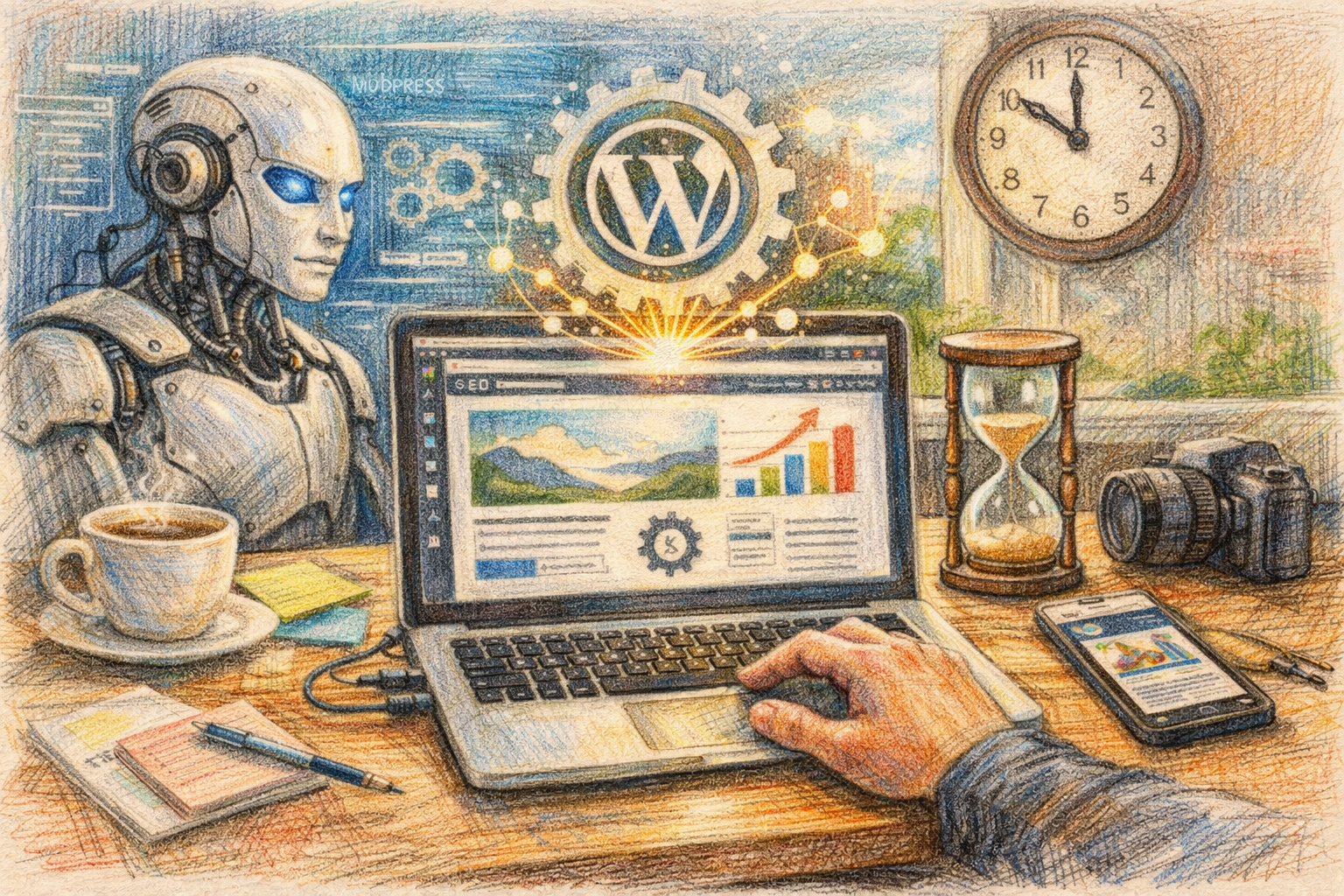
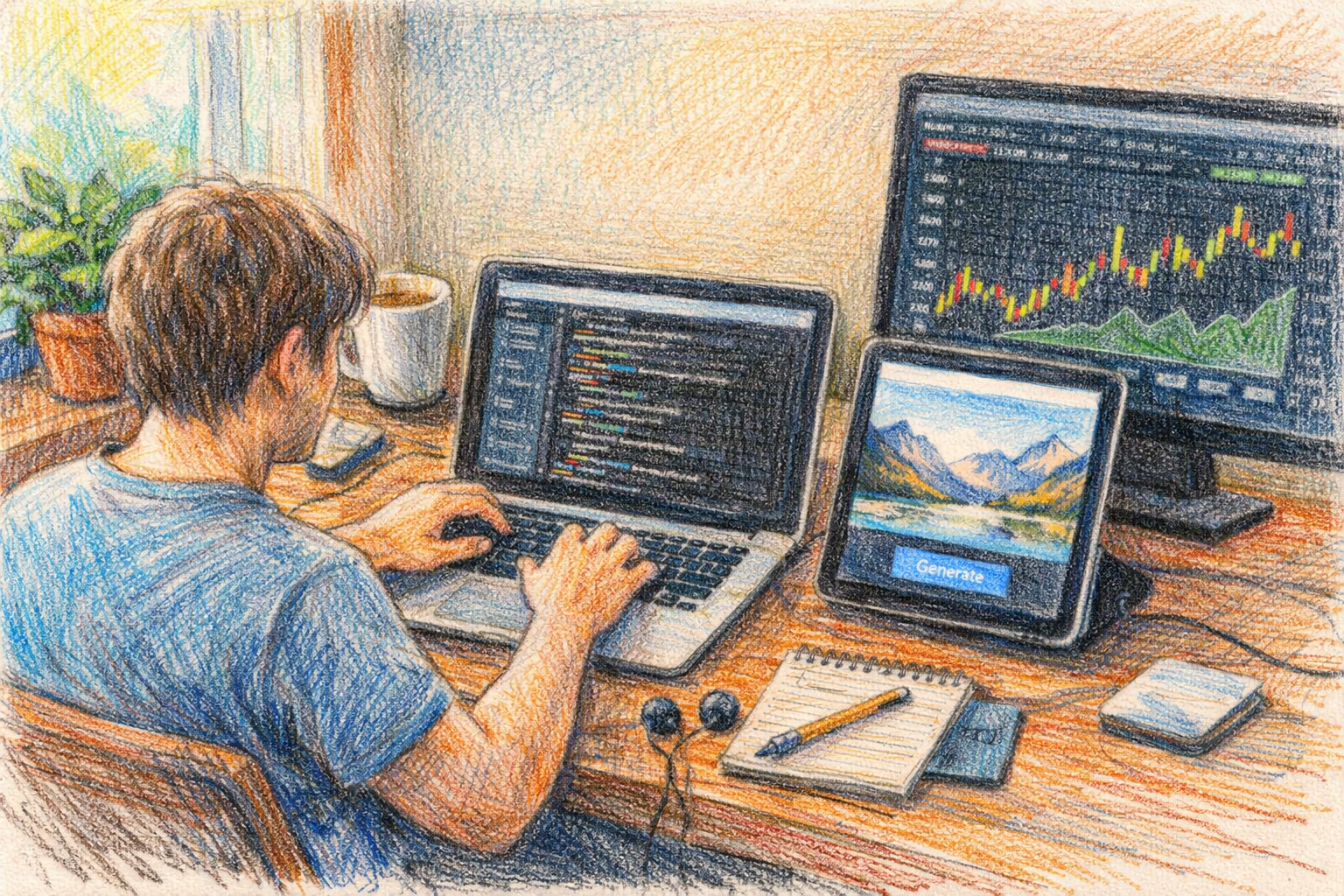
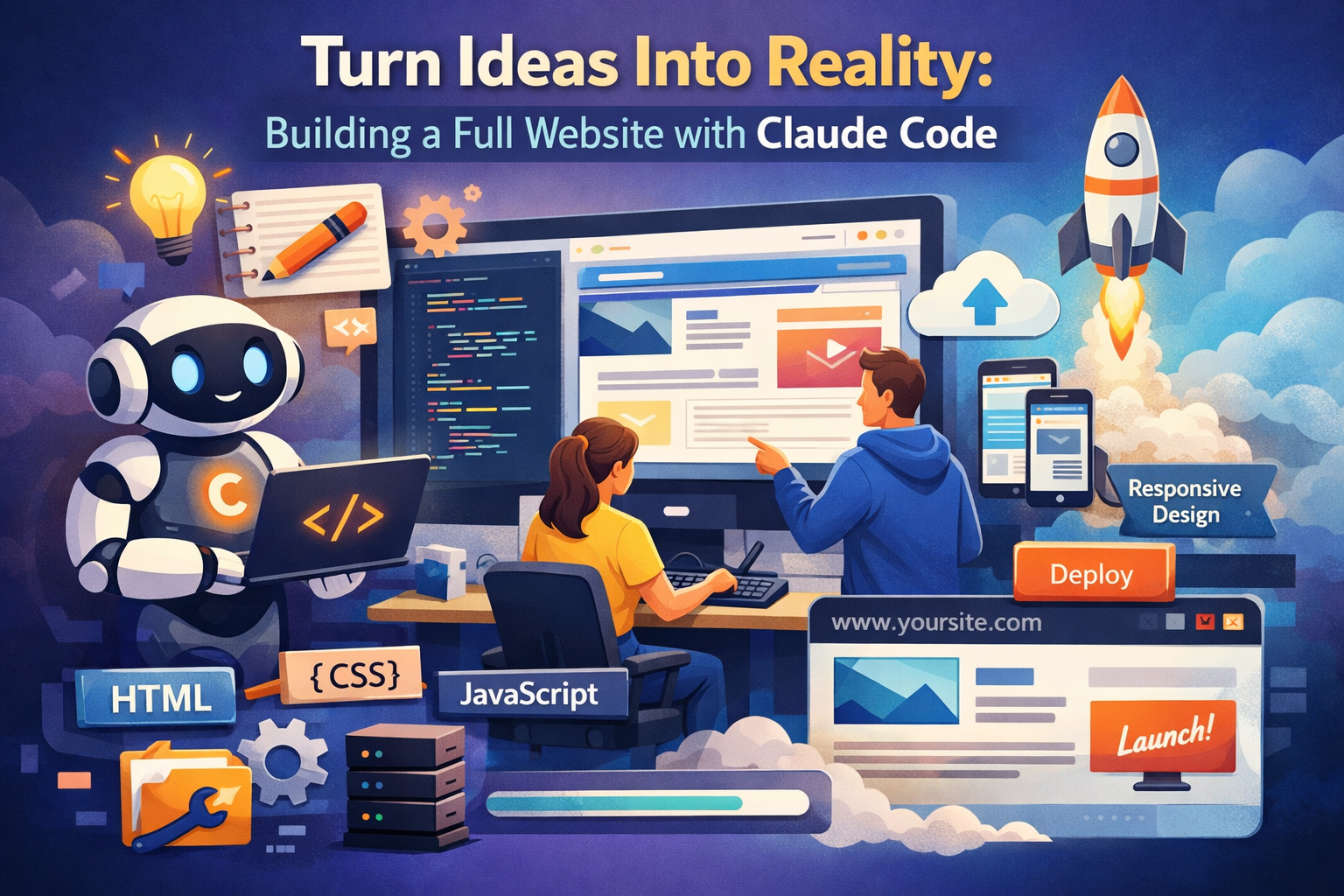
A new video tutorial demonstrates how combining ByteDance’s AI video generation model Seedance 2.0 with Anthropic’s Claude Code can rapidly build professional websites complete with animated backgrounds, eliminating the need for traditional design tools or extensive budgets. The workflow shows how to generate looping background videos and feed them into Claude Code to build a full, modern website from scratch. The process covers the entire workflow from image generation to video prompting to deploying a live site with GitHub and Vercel.
The Seedance 2.0 and Claude Code Workflow
The tutorial showcases how designers and developers can leverage two AI tools in tandem to create websites that would traditionally require significant design experience or production budgets. Seedance 2.0 adopts a unified multimodal audio-video joint generation architecture that supports text, image, audio, and video inputs, leading to the most comprehensive multimodal content reference and editing capabilities in the industry.
No design experience or production budget is needed for this approach, according to the demonstration. The workflow begins with creating custom looping video backgrounds using Seedance 2.0’s text-to-video capabilities, then integrating those assets into Claude Code for full website construction.
According to industry sources, this combination represents a shift in how AI-assisted web design is being approached. Seedance 2.0 is ByteDance’s latest AI video generation model that accepts text, images, videos, and audio as inputs, up to 12 assets in a single generation, and produces cinematic multi-shot video with native audio sync, consistent characters, and frame-level precision.
Background on Seedance 2.0
Seedance 2.0 was released in February 2026. The model quickly gained attention for its sophisticated video generation capabilities, though it also faced scrutiny. It was quickly denounced after release by the Motion Picture Association for copyright infringement, and on February 13, 2026, The Walt Disney Company sent ByteDance a cease and desist letter alleging that the model had been trained with Disney works without any compensation.
Despite these controversies, the technology has found practical applications in web design and commercial content creation. The model can generate clips of varying lengths and supports multiple input modalities simultaneously, making it particularly useful for creating website background videos and promotional content.
Claude Code’s Role in Web Development
Recent reports highlight Claude Code’s expanding capabilities in web design applications. One researcher documented building a commercial web application using what they termed “vibe coding” with AI models including Claude Code, demonstrating the technology’s capacity for generating functional code despite initial quality challenges.
The combination of Seedance 2.0’s video generation with Claude Code’s web development capabilities creates a streamlined pipeline where custom visual assets flow directly into functional website code. This integration addresses a common pain point for web developers who need custom animated backgrounds but lack video production resources.
Broader Industry Context
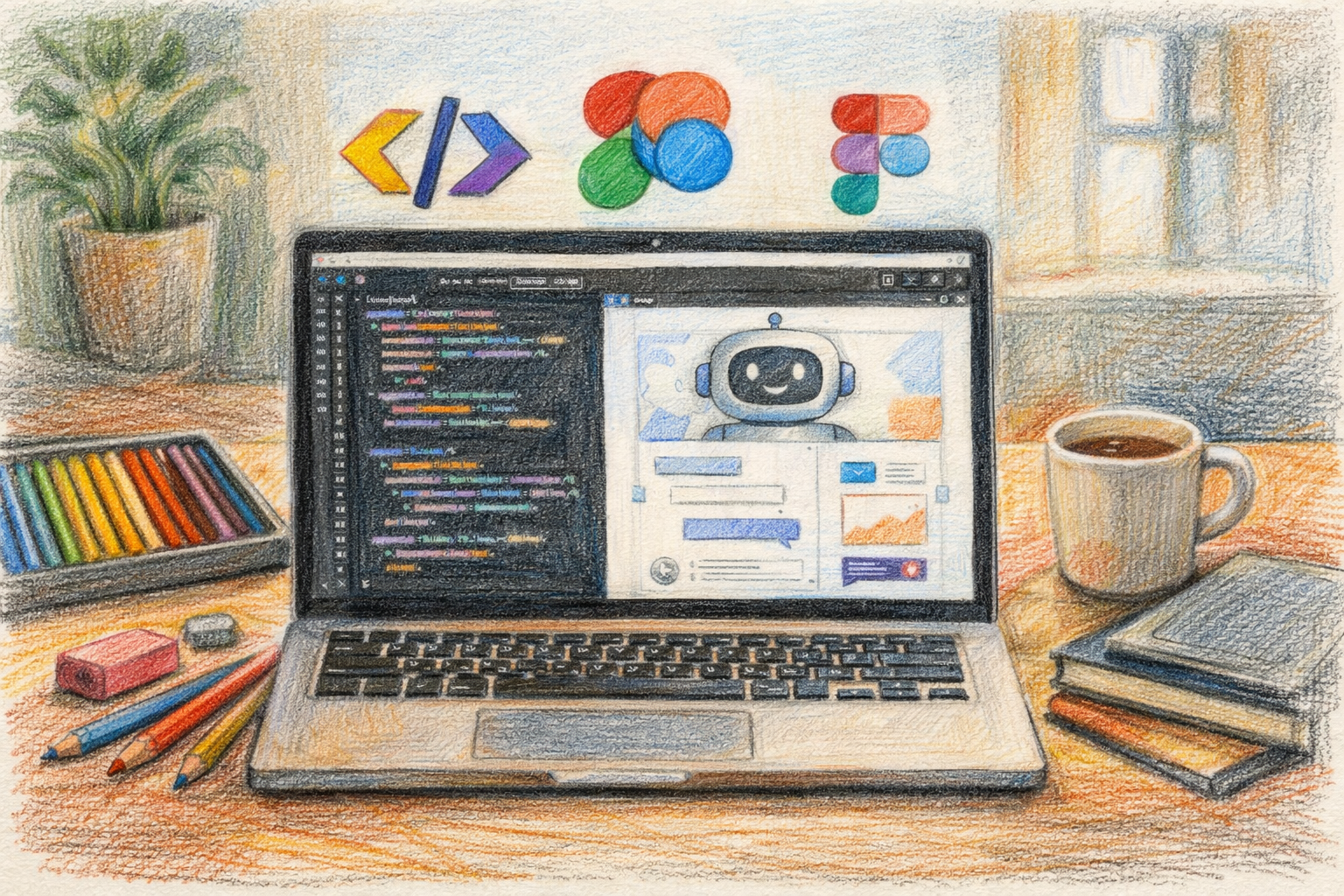
The tutorial arrives amid growing interest in AI-powered design workflows that bypass traditional tools. One industry analysis explored using Claude Code to generate editable HTML and CSS infographics and visuals matching brand kits, positioning it as an alternative to established platforms like Canva or Figma for web design with conversational prompts.
Meanwhile, Anthropic has expanded its platform capabilities with Managed Agents, a hosted service for running long-horizon AI agents that could enable more sophisticated automated workflows combining tools like Seedance 2.0 and Claude Code.
The workflow demonstrated in the tutorial represents an emerging category of AI-assisted development where multiple specialized AI models work in sequence. Rather than replacing human creativity, these tools aim to accelerate the production of assets and code that would otherwise require coordinating multiple specialists or learning complex software platforms.
Key Facts
- Seedance 2.0 was released in February 2026 and supports text, image, audio, and video inputs
- The workflow combines AI-generated looping videos with Claude Code for complete website creation
- No design experience or production budget is required for the demonstrated approach
- The process includes deployment to GitHub and Vercel for live site hosting
- Seedance 2.0 accepts up to 12 assets in a single generation with native audio sync capabilities
Sources
- Skool – Seedance 2.0 + Claude Code Creates $10k Websites in Minutes
- The Register – I vibe coded web app: It was enlightening and uncomfortable
- Charlie Hills – Design in Claude Code (not Canva or Figma)
- Anthropic – Scaling Managed Agents: Decoupling the brain from the hands