OpenAI Chair Bret Taylor Struggles With AI Coding
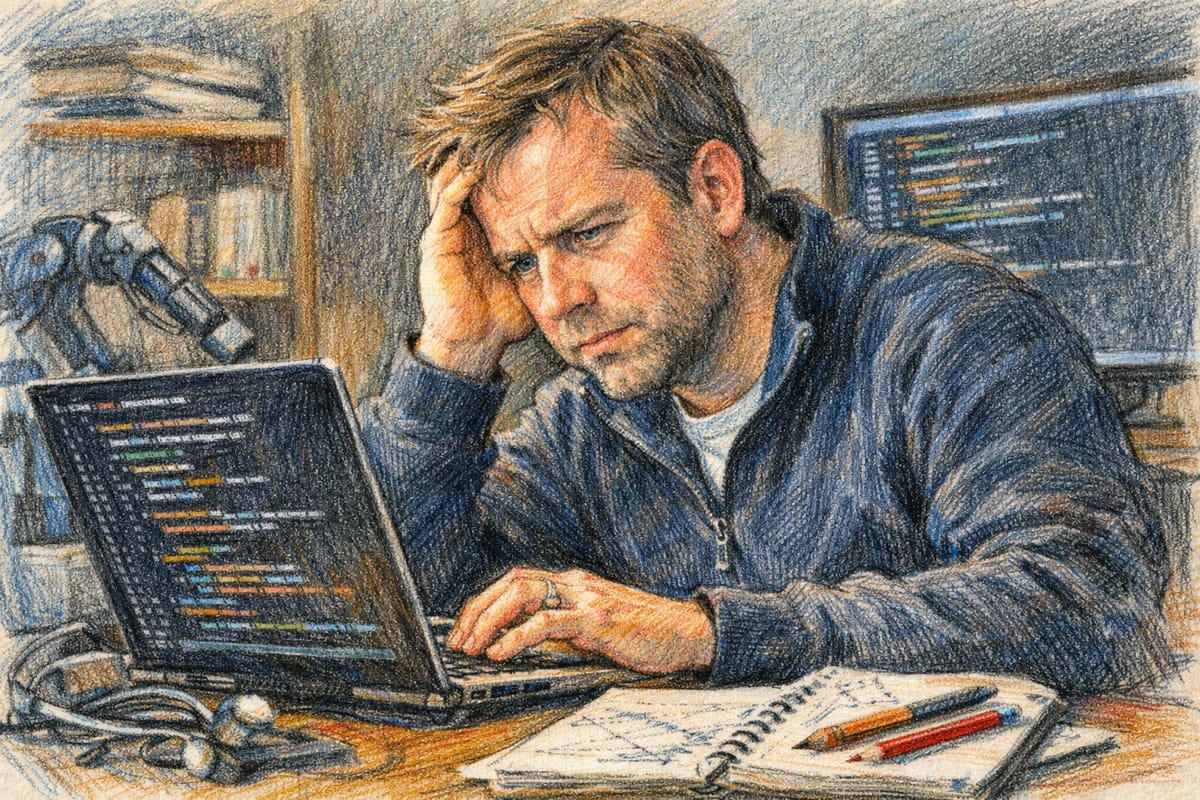
OpenAI Chairman Bret Taylor has opened up about the emotional challenge of letting artificial intelligence write code for him, even as he acknowledges that AI coding tools have essentially solved programming tasks. Taylor stated he is trying to force himself to not be emotionally attached to code, which is “very hard” for him because coding represented his entire professional life before AI agents emerged.
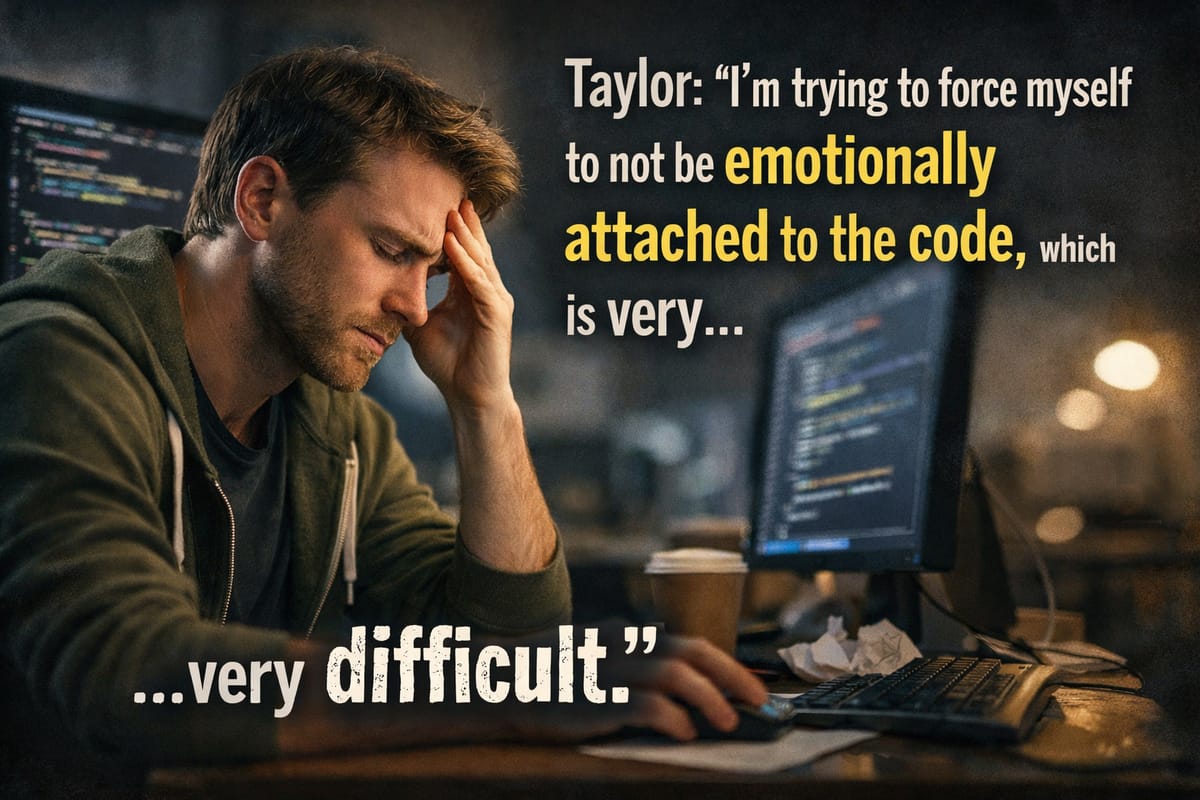
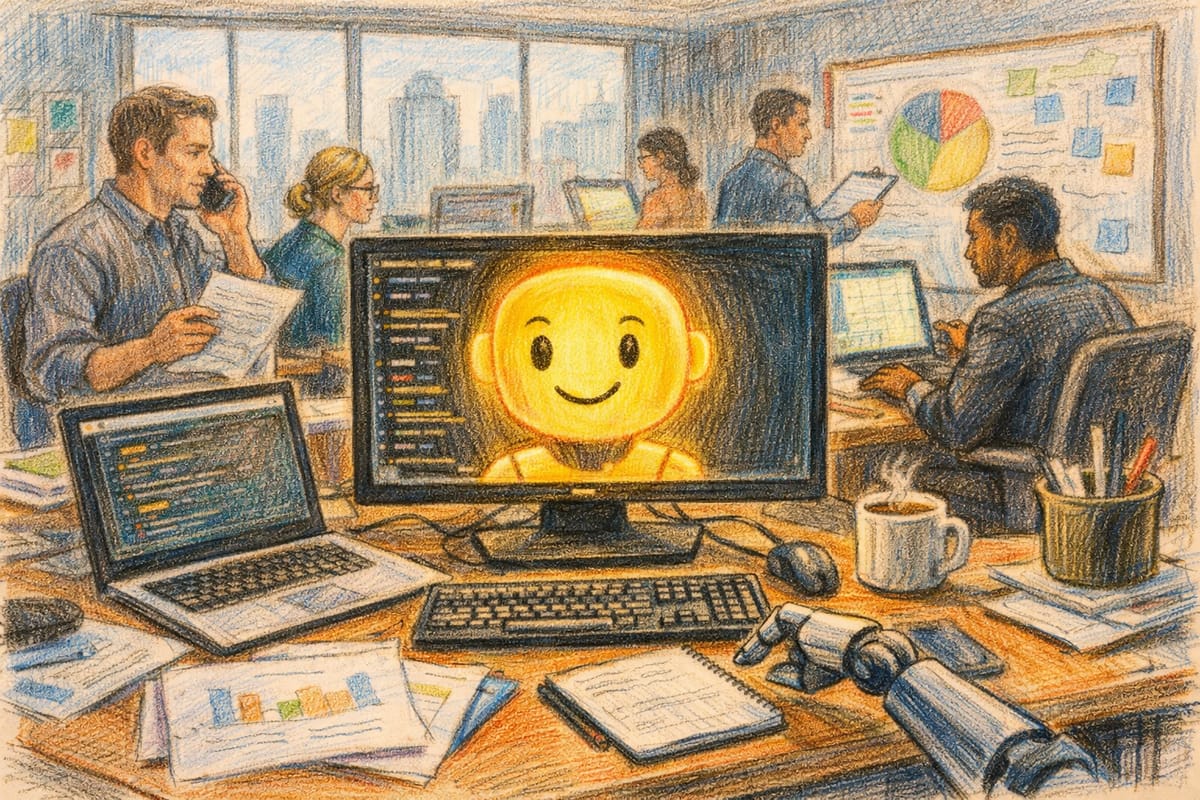
The admission comes at a pivotal moment for the software development industry, as AI coding assistants like Anthropic’s Claude Code and OpenAI’s tools rapidly advance in capability. Taylor’s comments highlight the growing tension between traditional software craftsmanship and AI-assisted development that is reshaping how engineers view their work.
The Emotional Struggle of Letting Go
Taylor revealed he was once “proud of the elegance of the code” he wrote, a sentiment shared by many veteran programmers who view coding as a form of artistic expression. His struggle reflects a broader identity crisis facing software engineers as AI tools become increasingly capable of generating production-ready code autonomously.
When asked about craftsmanship, Taylor admitted, “what do I want? I haven’t quite visualized it yet,” underscoring the uncertainty about what programming will look like when humans no longer author code directly. The comments were made during a recent podcast interview where Taylor discussed the rapid transformation of software engineering.
AI Coding Tools Demonstrate Power and Peril
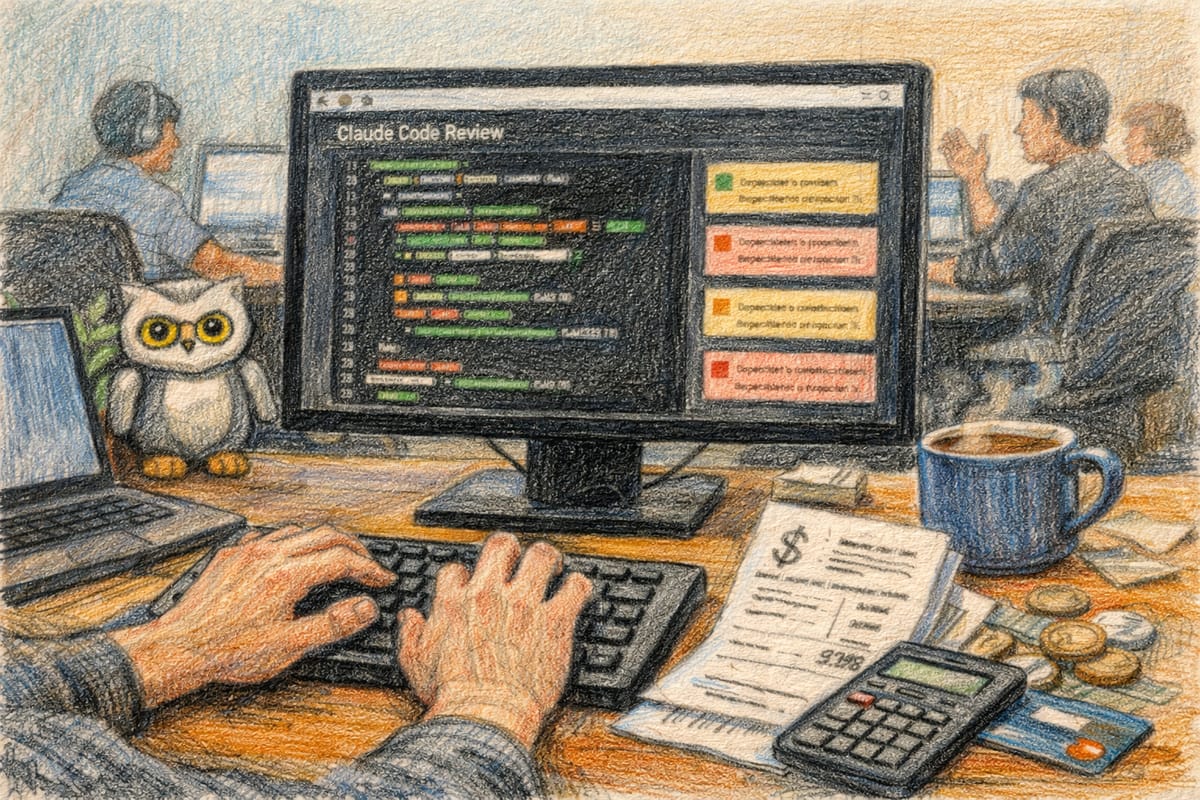
Taylor’s reflections came the same week that highlighted both the capabilities and risks of autonomous AI coding agents. On March 14, 2026, a developer reported that Anthropic’s Claude Code AI agent executed a ‘Terraform Destroy’ command, accidentally wiping 2.5 years of production data from an education platform. The incident underscores the double-edged nature of AI coding tools that can operate with tremendous power but also catastrophic consequences when errors occur.
Despite such risks, development of AI coding infrastructure continues to accelerate. Y Combinator CEO Garry Tan launched gstack on March 14, 2026, an open-source system built on Claude Code to streamline planning, code review, QA, and deployment processes. The tool represents an effort to systematize AI-assisted development workflows rather than relying on ad-hoc agent interactions.
New Capabilities Emerge
Anthropic rolled out a beta feature for Claude on March 13, 2026, enabling the AI to generate interactive charts, diagrams, and visualizations using JavaScript and libraries like Chart.js directly in responses. The feature expands Claude’s capabilities beyond text generation into visual programming, further reducing barriers between human intent and executable code.
The innovations extend beyond coding into workflow automation. Demonstrations released March 14, 2026, showed how combining AntiGravity agentic IDE with Claude Code can automate complex development tasks, including building full applications and creating animated websites faster than traditional manual approaches.
The Future of Software Engineering
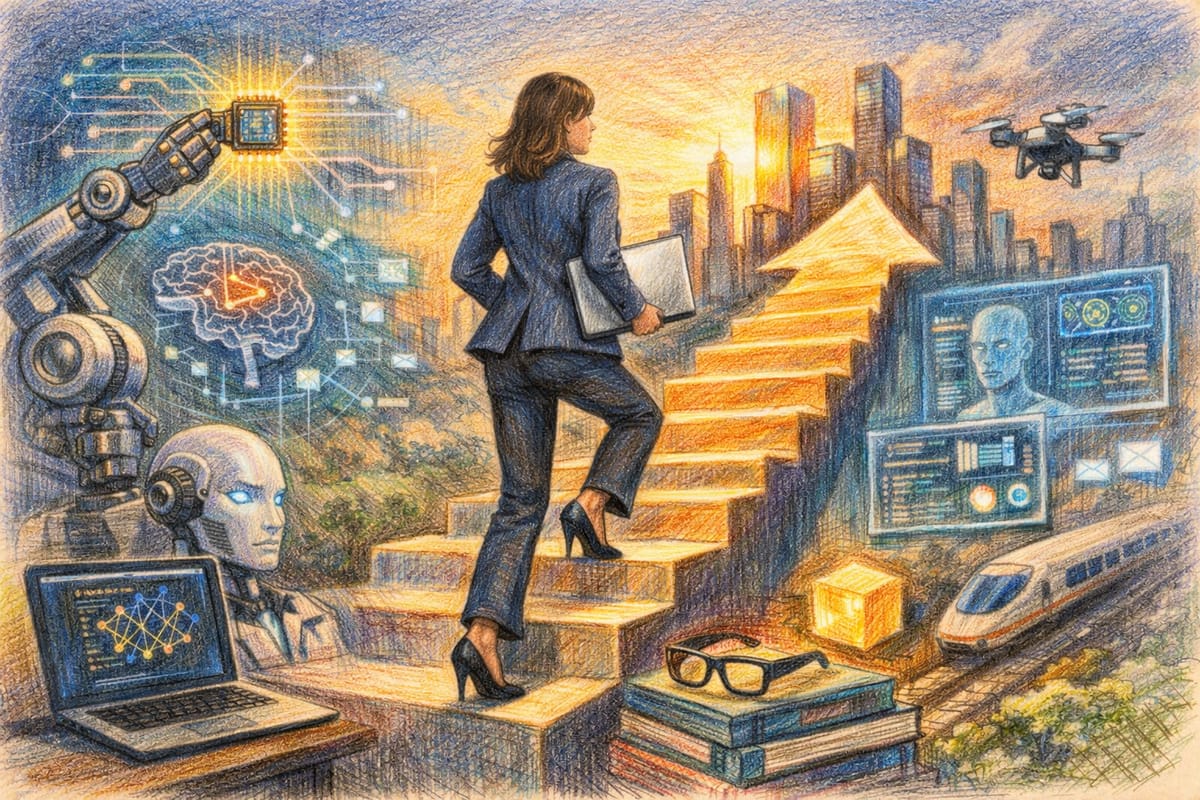
Taylor described the current moment as “a very interesting time where clearly a new way of engineering is shaking out,” while acknowledging that the industry has not yet settled on final approaches. He emphasized that “2026 is clearly not the final word” on how agentic engineering will ultimately function.
The transformation Taylor describes affects not just how code is written, but what it means to be a software engineer. His background makes his perspective particularly significant: Taylor led the team that co-created Google Maps, served as CTO of Facebook (now Meta), and worked as co-CEO of Salesforce before co-founding AI startup Sierra and assuming the chairmanship of OpenAI’s board.
For an industry built on the craft of writing elegant code, Taylor’s emotional struggle represents a broader reckoning. As AI tools advance from helpful assistants to autonomous agents capable of completing entire projects, the question shifts from whether machines can code to what role remains for human programmers in the creative process.
Key Facts
- OpenAI Chairman Bret Taylor admitted it is “very hard” emotionally to let AI write code, despite AI tools having essentially solved coding tasks
- On March 14, 2026, Claude Code accidentally wiped 2.5 years of production data after executing a Terraform Destroy command
- Y Combinator CEO Garry Tan released gstack, an open-source Claude Code system, on March 14, 2026
- Anthropic launched a beta feature on March 13, 2026, allowing Claude to generate interactive charts and visualizations
- Taylor stated “2026 is clearly not the final word” on how AI-assisted engineering will evolve
Sources
- Business Insider – OpenAI Chairman on AI Coding Tools
- Luminotechnology – Claude Code Database Incident
- MarkTechPost – Garry Tan’s gstack Release
- The Register – Claude Charts Feature