Noise Levels at Work – The Dangers of Excessive Volume, and How to Protect Yourself
The world we live in is louder than it has ever been, with excessive volume everywhere. Urban living puts us in close proximity to traffic, sirens, and construction work. Not to mention the general hubbub of busy cities. All of which is affecting our hearing in ways we may not quite be aware of.
The Science of Sound
Sound and hearing damage is commonly misunderstood by the average citizen. Something which may well contribute to the sheer volume of people suffering hearing damage each year. Many are under the impression that it is only extremely excessive volumes that cause damage. Whether explosive sounds like gunfire or unusually loud events such as low-flying aircraft and stadium concerts.
However, ‘excessive’ volume as far as the human ear is concerned sits at around 85dB. This is roughly the volume of a hairdryer. It is only 15dB louder than the average volume of human speech. Sustaining exposure to sounds at around 85dB can cause long-term damage over time. City traffic is an average of 88dB, thus it is easy to see why urban living could be having a detrimental impact on hearing.
Problem Industries for Exposure to Noise
Simply living near the main road is enough to cause persistent hearing damage and the potential for chronic health conditions. This raises questions regarding the noise levels of a day’s work in a number of industries. There are industries in which the risk of hearing damage is clear. However, other industries carry the same risk in much more insidious ways.
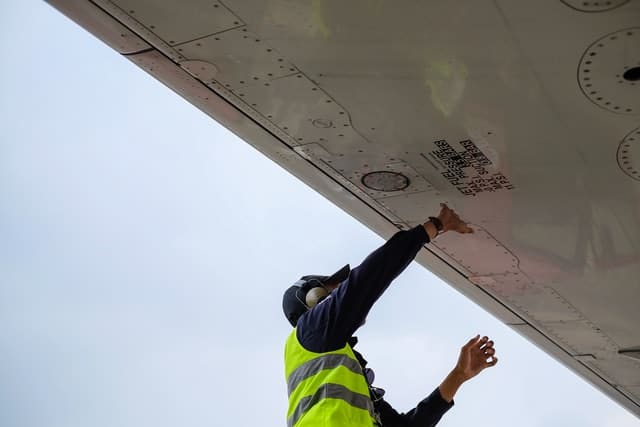
Engineering work carries a significant risk of hearing damage. Especially when it comes to working in airports or large-scale industrial facilities. Any form of work in the live music industry is also risky. As they have regular exposure to concert volumes, the percussive nature of live drums reaches transient peaks of 130dB.
Less obvious industries that harbor hearing damage risk are those of smaller-scale manufacture, production, and engineering. For example, a food production facility will see loud industrial machinery permanently on throughout a shift. Even hospitality positions in busy restaurants and bars carry risk. Especially as the volume of conversation alone breaches 80dB.
Avenues of Approach for Reduction and Protection
Wear the appropriate PPE
Wearing personal protective equipment (PPE) such as earplugs can significantly reduce the damage done by excessive volume. Earplugs and ear defenders dissipate the energy held in sound waves. Thus, reducing the impact on your inner ear. Your employer is legally obliged to provide you with adequate PPE to counter risks in the workplace.
Speak to Your Employer
If earplugs are not provided by your workplace, they may not be aware of the risks to hearing. Voice your concerns with the designated health and safety officer for your workplace. This allows them to ensure they supply adequate PPE.