LMS Best Practices: Build Training That Actually Works
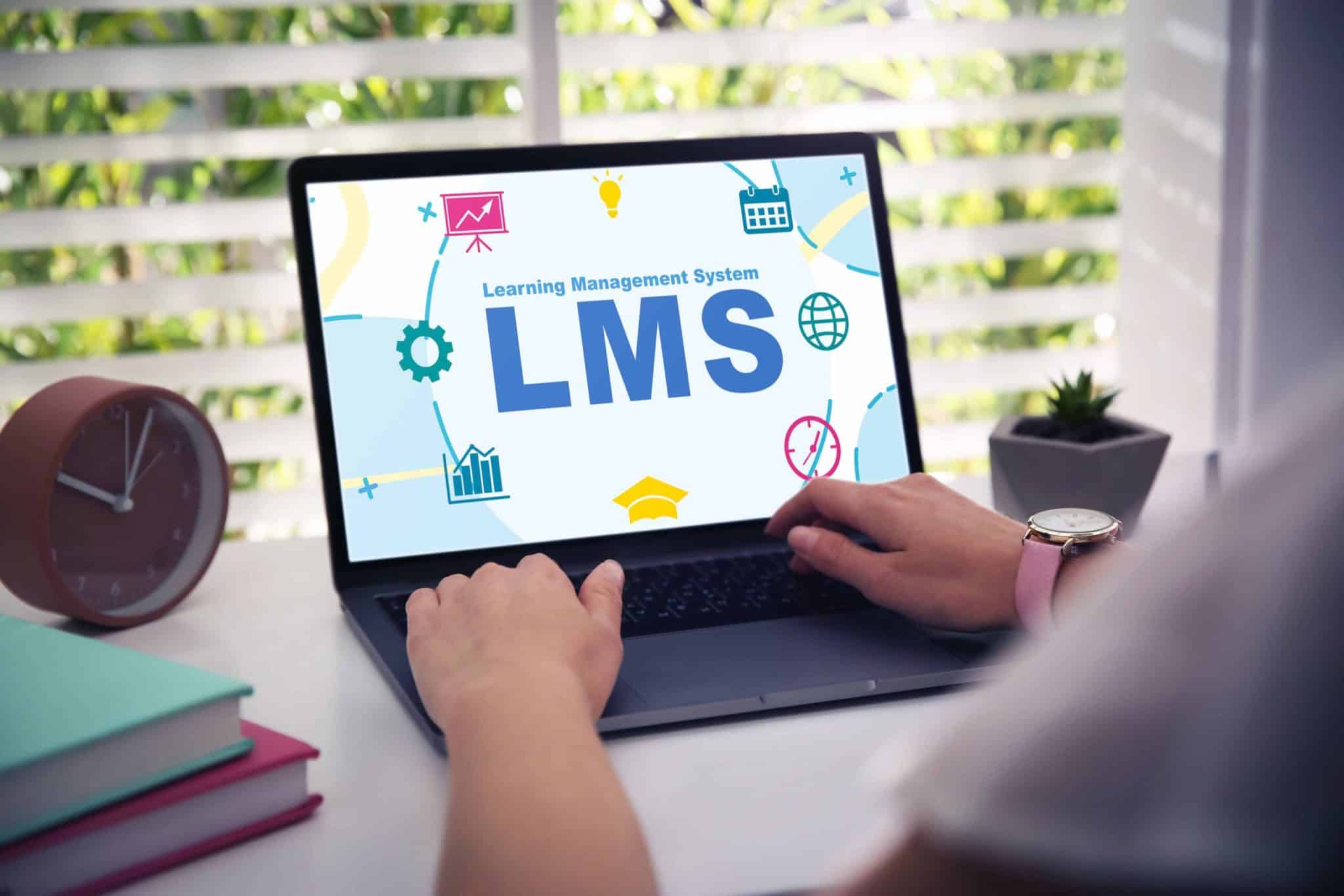

Learning management systems (LMS) work best when they’re used with purpose and planning. It’s not just about uploading courses. It’s about building a system that drives learning, improves performance, and supports business goals. A well-executed LMS strategy helps employees stay sharp, confident, and ready to perform.
Many organizations struggle to unlock the full value of their LMS. Without the right approach, even the best platforms fall short. That’s why clear, practical guidance is essential. Whether you’re launching a new LMS or improving an existing one, these tips will help you create better learning experiences and stronger results.
1. Focus on Knowledge Retention
Training isn’t effective if people forget what they learn. One of the most important LMS best practices is to build a strategy that supports long-term learning. That means going beyond one-time courses and focusing on how information is remembered and applied.
Repetition, spacing, and reinforcement are key. Your LMS should deliver content in small chunks over time. Daily training, quizzes, and reminders help.
Leading LMS platforms like Axonify improve knowledge retention and reduce the need for retraining with daily microlearning sessions and spaced repetition. Hundreds of studies in cognitive and educational psychology have demonstrated that spacing out repeated encounters with the material over time produces superior long-term learning.
Track which topics people struggle with. Use this data to trigger follow-ups or refreshers. The goal is to keep critical information top of mind, especially in fast-paced environments like retail, healthcare, or contact centers.
2. Make Learning Easy to Access
Learning should fit into the flow of work. If it’s hard to find or takes too long, people will skip it. That’s why mobile access is essential. Your LMS should work on any device. Reps, associates, or frontline employees should be able to learn during downtime or short breaks.
Use short, focused modules. Keep lessons under five minutes whenever possible. Add search functionality so users can quickly find what they need. A flexible, mobile-friendly LMS supports continuous learning without disrupting the day.
Avoid complicated login processes or clunky interfaces. The easier it is to access training, the more often people will use it.
3. Personalize the Learning Experience
Every employee learns differently. Roles, skill levels, and goals vary. Personalization is one of the most effective LMS best practices. It makes learning relevant and engaging for each user.
Set up learning paths based on role, department, or performance. Use quizzes or assessments to identify knowledge gaps. Then deliver targeted content that fills those gaps.
Personalization keeps learners motivated. They get the information they need without wasting time on what they already know. It also helps managers track progress and address issues early.
4. Use Data to Drive Decisions
Your LMS should provide clear insights. Data helps you understand what’s working and what isn’t. Track completion rates, quiz scores, and engagement levels. Look for patterns across teams or regions.
Use this data to improve your content and approach. If a module has low scores, review it. Is the content confusing? Too long? Not relevant?
Also, use data to recognize top performers and support those who need help. Strong LMS reporting tools turn training into a real business asset. Dashboards and visual reports make it easier for leaders to act on what they see.
5. Keep Content Relevant and Up to Date
Outdated content damages trust. Learners need accurate, current information. Regular reviews should be built into your LMS plan. Assign someone to review content monthly or quarterly.
Ask employees for feedback. What’s working? What’s missing? What needs to change? Use these insights to keep content fresh and aligned with real-world needs.
Add new content often. Update lessons after policy changes, product launches, or process updates. A dynamic LMS keeps your team sharp and informed.
6. Reinforce Company Culture
Your LMS isn’t just a training tool. It’s also a way to share your values, mission, and brand. Every piece of content should reflect your company culture. This builds connection and consistency, especially across large or distributed teams.
Add short videos from leaders. Celebrate team wins and showcase top performers. Use gamification features to create a fun, motivating learning experience.
A strong LMS should feel like a natural part of your workplace. It should build pride and purpose, not just skills.
7. Align Training With Business Goals
Training must support your company’s bigger goals. One of the core LMS best practices is to tie every course, quiz, or module to a performance outcome.
What do you want learners to do better or faster? What customer issue are you solving? What process are you improving?
Define success for every training effort. Set clear metrics. Monitor results over time. When learning aligns with operations, sales, and customer service, it becomes a driver of business success, not just a checkbox.
8. Deliver Learning in the Flow of Work
Employees don’t have time to stop for long training sessions. That’s especially true in frontline and customer-facing roles. Training should be fast, focused, and built into daily routines.
Look for LMS platforms that offer microlearning, push notifications, and AI-driven content delivery. These tools make it easier to build learning into the day without disrupting productivity.
Use real-life scenarios and challenges. Help people solve problems in the moment. This is one of the most practical and effective LMS strategies available.
9. Train Managers to Support Learning
Managers play a key role in training success. Yet they’re often left out of the process. Make sure your LMS includes tools for leaders. Give them access to progress dashboards and performance data.
Show them how to coach, follow up, and recognize success. Provide short guides or videos that explain how to support learning in daily check-ins or team huddles.
When managers lead the learning process, results improve. Teams stay accountable and more engaged.
10. Celebrate Progress and Results
Training works best when it feels rewarding. Use your LMS to celebrate progress. Recognize completion, high scores, or growth over time. Add leaderboards or badges if your culture supports friendly competition.
Make results visible. Show how training leads to better performance. Share wins in team meetings or newsletters.
A learning culture grows when people see that effort pays off. Celebration creates energy and helps build long-term habits.
Making Training Stick in 2025 and Beyond
Training that sticks is the result of smart LMS use, not just tools, but thoughtful strategies. The best LMS programs focus on engaging learners with relevant content, easy access, and personalized experiences. They prioritize knowledge retention through repeated, bite-sized learning and use data to continuously improve outcomes.
In 2025, success demands that training fits naturally into daily work. It must be quick, focused, and aligned with real business goals. When LMS best practices are applied, training stops being a one-time event and becomes a lasting, performance-boosting habit.