How Today’s Coolest Brands Are Winning with Activation Campaigns
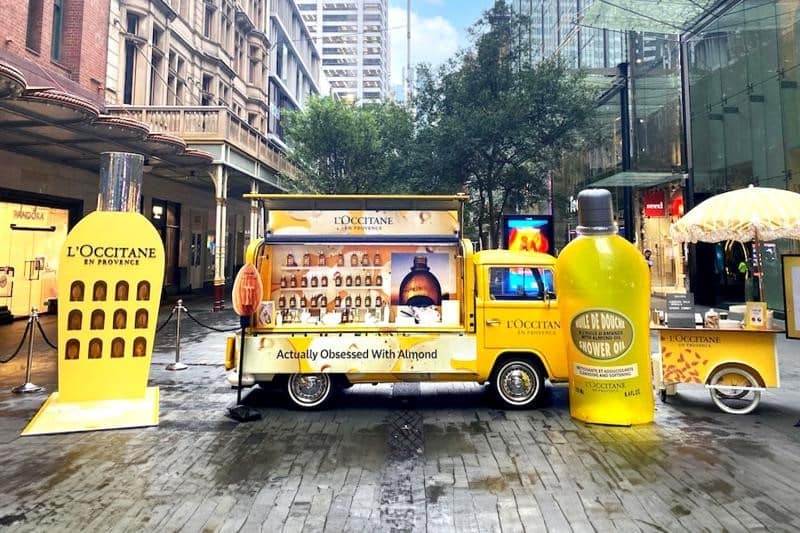

We all know the truth- audiences are harder to please now than they ever were. The conventional advertising is no longer enough. In order to pull people into the world of a brand instead of simply broadcasting to them, the highest marketers in the world currently are moving to brand activation campaigns: highly engaging, vivid, immersive experiences where people (and all the senses) become involved in the brand instead of getting bombarded with messages.
The difference between these campaigns is how they are filled with energy. They’re bold. They’re interactive. They happen to be social-media ready, but not pressured in it. And the best part is that they do bring a genuine feeling of association between the brand and its audience.
Although no campaign resembles another, the strategy behind it remains identical: turn awareness of the brand into something memorable.
Producing Cultural Moments, Nod Ads

Brand activation campaigns do not feel advert-like. This is their magic. They appear everywhere people least expect them to be seen, e.g. in the streets of a city, on their social media profiles, or even on specific online events, and feel like a surprise of a lifetime.
Among the latest campaigns, the idea was to change a normal outdoor setting into an art installation with a sustainable theme. The visitors were able to move around the area, explore the exhibits and even carry something with them.
It was not an activation that concerns the selling of a product at the moment, rather inserting the brand in a bigger cultural discourse. It worked. UGC was created on their own, people uploaded photos, and wrote blog articles without being told to.
This is where brand activation excels. Rather than discussing features or benefits, it provides a mutual experience that engages people emotionally. Learn more here https://campaignbrief.com/r-m-williams-encourages-aussies-to-grab-life-by-the-tugs-in-new-campaign-via-banter-wiredco/.
Empowering Consumers to Be Creative
The change from customer to collaborator has been one of the most astute brand strategies of the last decade. The foundation of many contemporary activation efforts is audience participation, whether through the submission of ideas, voting on designs, or the demonstration of real-life product usage.
An exemplary case in point is a digital-first fashion brand that ran a week-long campaign inviting followers to include augmented reality (AR) filters and design tools into their interpretations of the brand’s essential designs. A virtual fashion show featured the top entries, and the winners got unique stuff. This type of initiative falls under Experiential Marketing, which can also take the form of pop-up carts, interactive billboards, or temporary brand installations in public spaces. Because it highlighted the community’s ingenuity rather than the brand’s capabilities, that one campaign went viral across platforms.
When consumers are actively involved, brand activation shifts its focus from message pushing to movement building. Find out more on this page.
Successful Gamification
Another activation strategy that has gained popularity is gamification. Although some advertisements may use gaming mechanics to further the brand’s mission, the most effective ones go beyond than that.
Several large cities were the sites of hidden geo-location clues in a recent mobile scavenger hunt. Those who finished the challenge and found all of the brand-related clues were entered to win a hidden live-streamed event. It combined offline discovery with online engagement, and word got around about it for days.
Players weren’t merely engaging in a game; they were entering a realm where the very essence of the brand served as the backdrop, the storyline, and the prize.
Limited Editions, Big Impact
The limited drop is another effective strategy for brand activations campaigns. Effective use of exclusivity heightens a sense of urgency. However, the focus should not be solely on “selling out fast”; rather, the story should be built around the scarcity.
A tech accessories company’s release of a mystery bundle in celebration of its fifth anniversary is a particularly astute example. Brand representatives used email and social media to drop hints about the contents in the weeks preceding the debut, but customers were still in the dark. More people interacted with the campaign than with any of their previous more conventional sales efforts since the hype became the story.
Going Phygital: Where Physical Meets Digital
Something revolutionary has happened with the proliferation of “phygital” ads, which blend physical encounters with digital amplification. Combining the two realms makes the campaign versatile and shareable, whether it’s an event that needs RSVP via QR code or an in-person activation with a social filter component.
A digital check-in station allowed users to monitor wellness measures and post their progress on social media as part of an outdoor pop-up for one wellness brand. The offline event sparked online discussion, and the web platform maintained the interaction even after the event had concluded.
How Do These Ads Achieve Their Goals?
The money isn’t the issue. Nobody’s influencing it. It’s about being creative and having a purpose.
Being relevant is more important than being spectacular when it comes to the best brand activation efforts. They are in tune with the target demographic and know exactly where their interests lie and what makes them tick. The activation is designed to seamlessly integrate with the audience’s lifestyle, seamlessly adding humor, challenge, mystery, or meaning—never disrupting it.
When executed properly, these initiatives generate a great deal more value than just clicks and conversions. They bring people together, start discussions, and create loyal customers for life.