How Office Design Impacts Employee Productivity
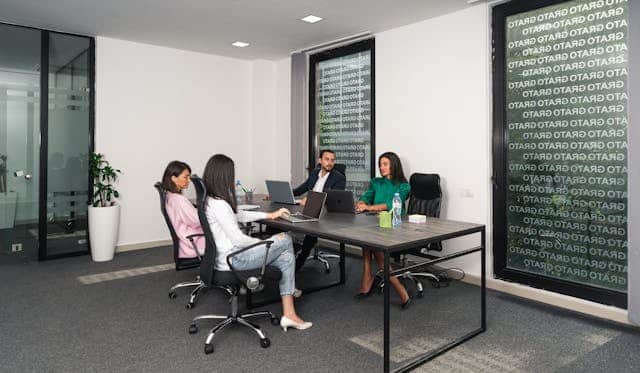
When we think of productivity at work, we often focus on tools, workflows, or management strategies. But what if I told you that your office design plays a huge role in how productive you are? The environment you work in is more than just a backdrop—it can influence everything from your mood to how well you focus on tasks. One of the most overlooked factors is how your workspace looks and feels. So let’s dive into how office layout, decor, and even lighting can directly impact productivity.
The Open Space Debate: Collaboration or Distraction?
One of the biggest trends in office design over the last decade has been the shift towards open spaces. The idea behind this is simple: open floor plans encourage collaboration, spontaneity, and creativity. By removing walls and barriers, employees are supposed to feel more connected to their colleagues, leading to better communication and teamwork. Sounds great, right?
Well, not always. While open spaces can be beneficial for certain tasks—like brainstorming or quick catch-ups—they can also be a breeding ground for distractions. Constant chatter, phones ringing, and the clatter of keyboards can make it hard for employees to concentrate, especially for those who thrive in quieter environments. Studies have shown that many employees actually find open-plan offices overwhelming and believe it harms their ability to focus on deep work.
So, while collaboration is important, the key is balance. Offering employees spaces where they can retreat to concentrate without distractions, like private booths or quiet zones, can significantly enhance productivity. After all, an ideal office should accommodate different working styles, whether it’s for collaboration or focused, solitary work.
Ergonomics and Comfort: More Than Just a Fancy Chair
When you’re sitting at a desk for eight hours a day, comfort matters. Ergonomics in office design isn’t just about buying a nice chair, though—it’s about designing a workspace that supports long-term physical health. Poor posture from bad office furniture can lead to discomfort, fatigue, and even long-term health issues like back and neck pain. These physical annoyances can drain your energy, reduce focus, and ultimately slow down your productivity.
The solution? Invest in ergonomic chairs, adjustable desks, and other tools that help employees maintain a comfortable and healthy posture. But it doesn’t stop there. Creating spaces that encourage movement, such as standing desks or lounge areas, helps break up the sedentary nature of office work. After all, a comfortable employee is a productive one.
The Power of Lighting: More Than Just a Bright Idea
Lighting is one of those design elements that most people don’t think about—until it’s bad. Bad lighting, whether it’s too dim or too harsh, can cause a slew of problems. Poor lighting can lead to eye strain, headaches, and fatigue, all of which can dramatically reduce productivity. In contrast, good lighting can improve focus, elevate mood, and even boost creativity.
Natural light is ideal for any workspace, but not every office is blessed with large windows or bright, sunny days. That’s where modern lighting solutions come in. And here’s where the hexagon light can play a key role. These sleek, geometric lights aren’t just trendy; they’re designed to offer a balanced light that mimics natural daylight, making them a fantastic option for offices lacking in sunlight.
A hexagon light does more than illuminate a space. It adds a modern aesthetic appeal that can elevate the overall vibe of the office. With the right design and brightness, these lights can turn a dull, uninspired office into an energetic and creative space. And since they’re customizable, you can adjust the light intensity based on the specific needs of the area—whether it’s a bright, focused light for workstations or a softer glow for relaxation areas.
Color Psychology: What’s on the Walls Matters
It’s easy to overlook the role that color plays in an office, but trust me, it makes a huge difference. Colors affect our mood, and certain hues can boost productivity, while others might actually hinder it. For instance, cool colors like blues and greens tend to create a calming effect, which can help employees stay focused. On the other hand, warmer tones like yellows and oranges can stimulate creativity and energy, which might be ideal for brainstorming areas.
That said, too much of a bold color can be overstimulating. The key is in balance. Using a neutral color palette for large surfaces like walls and then adding pops of color through accents—like artwork, furniture, or even the hexagon light—can create a dynamic yet harmonious environment that keeps employees both focused and energized.
The Impact of Flexibility: Spaces That Adapt to Needs
In today’s dynamic work environment, flexibility is crucial. Employees need spaces that can adapt to different tasks—whether it’s a quick team meeting, an hour of deep work, or a casual brainstorming session. This is why flexible office design, which includes movable furniture, modular layouts, and adaptable spaces, has become so important. Flexibility ensures that the workspace can cater to different needs without causing disruption.
For example, imagine having collaborative areas with comfy sofas and coffee tables for informal meetings, alongside dedicated quiet zones for focused work. Add in a hexagon light fixture above each zone, which could be adjusted to suit the specific task at hand—brighter lighting for focused tasks and softer lighting for relaxation or creative thinking sessions. This kind of environment not only boosts productivity but also encourages employees to work in ways that suit their personal preferences and needs.
Personal Space and Privacy: The Need for Focus Zones
Even in a collaborative environment, people need their own space. One of the main challenges with modern office design is maintaining a sense of privacy, especially in open-plan offices. Employees who constantly feel like they are being watched or overheard can experience stress. This, in turn, reduces productivity. Offering private workspaces, booths, or quiet zones allows employees to focus on their work without the distraction of others.
Designing areas that provide both privacy and comfort helps employees feel more in control of their workspace. This sense of autonomy can improve job satisfaction and, by extension, boost productivity. It’s all about offering a balance—spaces for collaboration and zones for solitude. Thus, employees can move freely between them depending on their tasks.
A Well-Designed Space, A Happier Team
So, what’s the takeaway? Office design is far more than just aesthetics. It influences how employees feel, how they work, and how well they can focus on their tasks. From the layout and furniture to the lighting and color schemes, each element plays a role in shaping the productivity and well-being of your team. Incorporating modern solutions like hexagon lights can be a game-changer. This offers both functionality and style, while contributing to an environment where employees can truly thrive.
Ultimately, an office that’s designed with intention doesn’t just look good—it works better. It energizes, focuses, and inspires the people working in it, leading to happier employees and better overall performance.