Government Lowers Fuel Tax by 5p per Litre
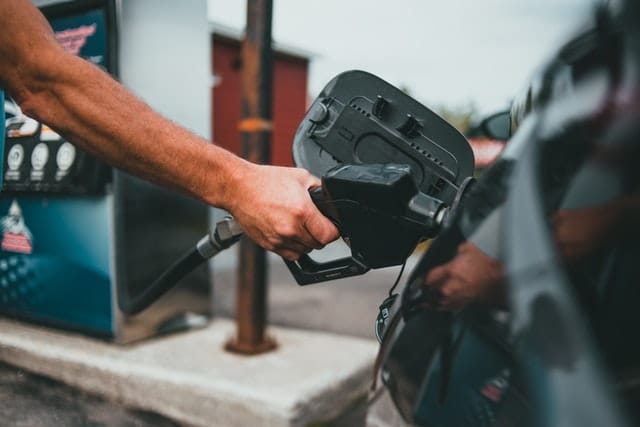
Among the more eye-catching announcements made during the chancellor’s Spring Statement was a reduction in rates of fuel tax, by 5p per litre.
The cut will last until March 2023 and is to provide temporary relief to motorists hit by record prices at the pumps. While the cut is unlikely to put too much of a dent in the stratospheric rate of petrol-price inflation, it is a welcome step in the right direction for many.
You can work out exactly how much you stand to save the next time you fill-up. Just look at the litre dial and multiply the figure by 5. According to Full Fact, the government makes around 80-90 pence per litre, currently. There’s an additional charge for VAT (though some motorists are obviously exempt from that).
How can I get the most from my fuel?
Given that the cost of fuel is so extraordinarily high, you might consider what can be done to lighten the load. Fortunately, there are several steps you might take to save even more on top of the fuel tax drop.
Inflate your tyres
If your tyres are at the appropriate pressure, then you’ll have superior grip on the road. This means more force is transferring from the motor to the wheels, thus you have more fuel efficiency. The same applies to your tyre tread depth. Make sure that you’re checking it regularly and replacing the wheels wherever appropriate.
Drive Carefully
The less time you spent braking and accelerating, the more efficient your drive will be. That means driving at a slower speed in the first place. You should also look ahead to anticipate any instances where you must stop. If you see a green light in the distance, for instance, then don’t race to get through. Chances are that it’ll change twice before you get there.
Think about other costs
The cost of staying on the road isn’t entirely fuel tax and fuel you’re burning. You may want to look at slashing your other motoring expenses. These include tax, insurance and congestion charges. In many cases, you can deal with these by investing in a low-emissions vehicle.
In the case of depreciation, however, you might look at GAP insurance. What is Gap insurance? It’s a form of insurance that covers the cost of the vehicle if you’d bought it brand-new. This means that you’ll never fall into negative equity and that you can drive everywhere in confidence.
Drive Less
On the other hand, you might wish to simply limit the number of miles you drive. If you can carpool with your work colleagues, or walk into the office, then you might look at doing so. You could save your wallet, and the planet, in the process!