Dry Mouth Demystified: Causes, Symptoms, and Solutions
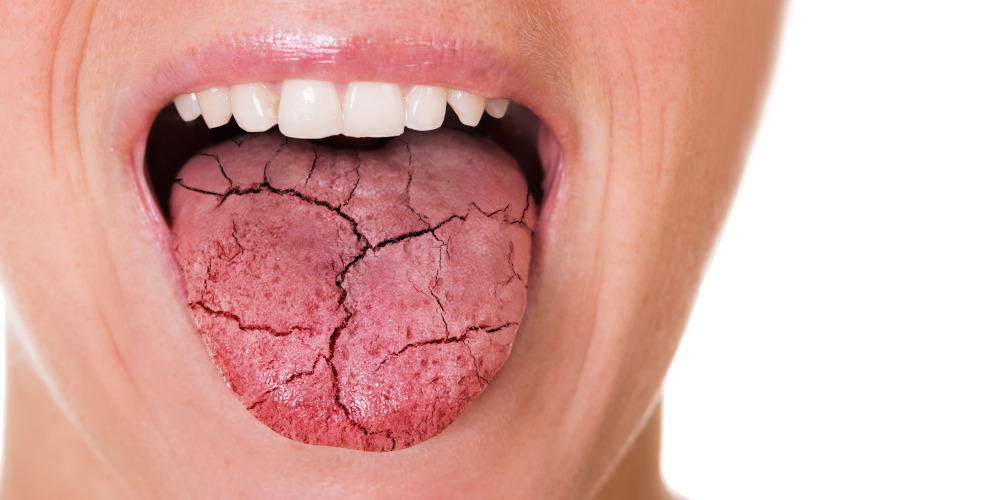

Dry mouth, also known as xerostomia, is a surprisingly common yet often overlooked condition that affects people of all ages. While it may seem like a minor inconvenience, chronic dry mouth can lead to significant health problems if left unmanaged. From difficulties with speaking and eating to increased risk of tooth decay and gum disease, understanding the causes, symptoms, and solutions to dry mouth is essential for maintaining your overall health.
What Is Dry Mouth?
Dry mouth occurs when your salivary glands do not produce enough saliva to keep your mouth moist. Saliva plays a crucial role in oral health—it helps digest food, neutralize acids, and wash away bacteria and food particles. When your mouth doesn’t produce enough saliva, it can disrupt these processes and lead to discomfort and complications.
Common Causes of Dry Mouth
Several factors can contribute to dry mouth, ranging from lifestyle habits to underlying medical conditions. Here are some of the most common causes:
1. Medications
Dry mouth is a side effect of hundreds of medications, including antihistamines, antidepressants, blood pressure medications, and pain relievers. These drugs can reduce saliva production or alter its consistency.
2. Dehydration
Inadequate fluid intake, excessive sweating, or illness-related fluid loss can lead to dehydration and subsequently reduce saliva production.
3. Medical Conditions
Certain health conditions such as diabetes, Sjögren’s syndrome, Parkinson’s disease, HIV/AIDS, and stroke can affect the salivary glands and lead to dry mouth.
4. Cancer Treatments
Radiation therapy to the head and neck or chemotherapy can damage salivary glands, causing temporary or permanent dry mouth.
5. Lifestyle Choices
Smoking or chewing tobacco, excessive caffeine or alcohol intake, and mouth breathing—especially during sleep—can contribute to dry mouth.
Recognizing the Symptoms
The symptoms of dry mouth can vary in intensity but are often persistent and uncomfortable. Common signs include:
- A sticky or dry feeling in the mouth
- Frequent thirst
- Dry, rough tongue
- Cracked lips or sores in the mouth
- Difficulty chewing, swallowing, or speaking
- Burning sensation in the mouth or throat
- Bad breath
- Altered sense of taste
- Increased tooth decay and gum irritation
If you notice these symptoms regularly, it’s important to take them seriously. Chronic dry mouth can accelerate dental issues and may signal an underlying health problem.
The Impact on Oral and Overall Health
Saliva acts as your mouth’s natural defense mechanism. When it’s lacking, harmful bacteria can multiply more easily, leading to:
- Tooth decay: Saliva neutralizes acid; without it, enamel breaks down faster.
- Gum disease: Inflammation and infection can take root more easily in a dry environment.
- Mouth infections: Conditions like thrush (oral candidiasis) are more common with dry mouth.
- Digestive issues: Difficulty breaking down food can lead to digestive discomfort.
Effective Solutions and Management Tips
Managing dry mouth involves a combination of treating the underlying cause, improving lifestyle habits, and using targeted products. Here are several strategies:
1. Stay Hydrated
Drink plenty of water throughout the day. Keep a bottle of water nearby and sip regularly to stay hydrated.
2. Review Your Medications
If you suspect your medication is causing dry mouth, consult your doctor or pharmacist. They may adjust the dosage or suggest alternatives.
3. Use Saliva Substitutes
Over-the-counter saliva substitutes or sprays can provide temporary relief by mimicking the effects of natural saliva.
4. Chew Sugar-Free Gum
Chewing sugar-free gum or sucking on sugar-free lozenges can stimulate saliva production. Look for xylitol-containing products, which are tooth-friendly.
5. Avoid Triggers
Limit caffeine, alcohol, and tobacco use, all of which can worsen dry mouth. Also, avoid salty or spicy foods that may irritate your mouth.
6. Maintain Good Oral Hygiene
Brush twice a day with fluoride toothpaste, floss daily, and visit your dentist regularly. Special mouthwashes designed for dry mouth can also help maintain moisture.
7. Use a Humidifier
Running a humidifier, especially while sleeping, can keep the air moist and reduce overnight dryness.
When to See a Doctor or Dentist
If you’re dealing with persistent dry mouth that affects your daily comfort or oral health, it’s important to seek professional care. A dentist can evaluate the condition of your teeth and gums, while a physician can help identify any underlying medical causes or make necessary adjustments to your medications. In some cases, prescription medications like pilocarpine or cevimeline may be recommended to boost saliva production. If dry mouth has already led to severe tooth damage or loss, you may even require a tooth implant in New Market, VA to restore your smile and function.
Final Thoughts
Dry mouth is more than just an annoyance—it’s a condition that can have serious repercussions on your oral and overall health. Fortunately, once the cause is identified, it’s often manageable with the right combination of medical guidance and daily habits. By staying informed and proactive, you can keep your mouth healthy, comfortable, and functioning at its best.