Claude Code brings Code to Canvas to Figma
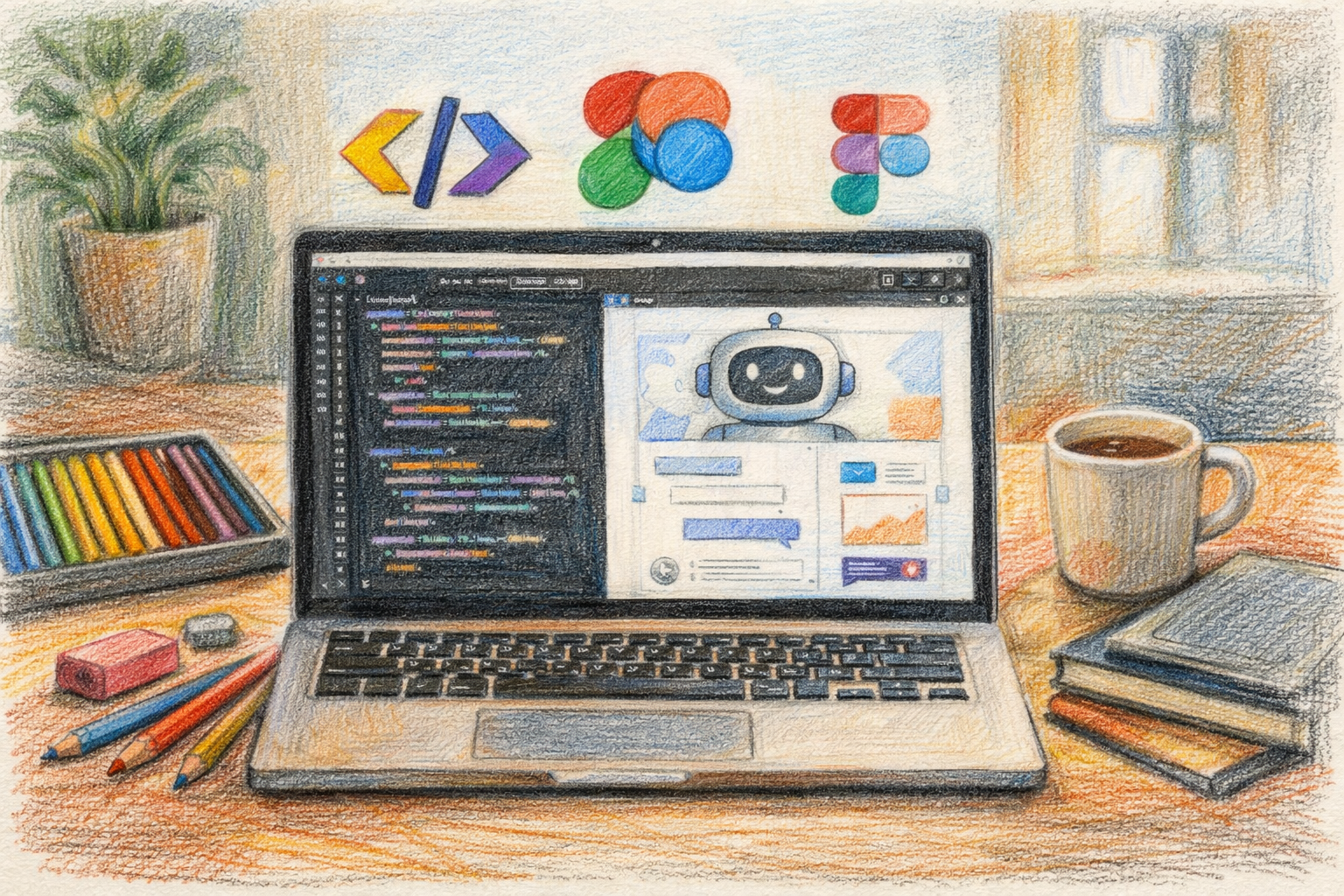
The integration between Anthropic’s Claude Code and Figma has reached a new milestone with the launch of features that enable designers and developers to seamlessly convert AI-generated code into fully editable design files. Figma partnered with Anthropic and launched a feature called “Code to Canvas” that converts code generated in AI tools like Claude Code into fully editable designs inside Figma, announced Tuesday, marking a significant shift in how teams move between coding and design environments. This development builds on a longer collaboration, with Claude Code to Figma applying the same idea to code-first workflows, converting built interfaces into editable design artifacts.

Bridging the Code-to-Design Gap
The feature creates a bridge between AI coding tools and Figma’s process, allowing users who have built working interfaces by prompting an AI agent to bring it directly into Figma’s canvas, where teams can refine it, compare options side by side and align on design decisions. The integration addresses a longstanding workflow challenge that has frustrated design and development teams for years.
Bringing Claude Code workflows directly into Figma lets developers, designers, and even hobbyists capture a real, functioning UI from a browser in production, staging, or localhost. Once captured, these interfaces become native Figma elements with full editability, preserving the ability to iterate within the design environment rather than requiring constant code modifications.
How the Integration Works
The technical implementation relies on Figma’s Model Context Protocol (MCP) infrastructure. Users can install the Figma MCP, type “Send this to Figma,” and the browser’s rendered state will automatically translate to fully editable Figma layers. This conversion maintains the structure and styling of the original code while making everything accessible through Figma’s familiar design tools.
With AI-powered workflows like Claude Code, it’s easier to spin up these types of explorations, where you can prompt, iterate, and adjust interfaces in real time. The integration extends this capability by ensuring that rapid prototyping in code doesn’t become a dead end, but rather a starting point for deeper design exploration.
Practical Applications and Use Cases
Early adopters have reported significant efficiency gains. By bringing the interface into the Figma canvas, side-by-side comparisons become easier, making patterns, gaps, trade-offs, and inconsistencies easier to spot, especially in multi-step flows, and teams can duplicate frames, rearrange steps, and test structural changes without rewriting code just to try an idea.
The workflow has proven particularly valuable for teams that operate across the design-development spectrum. Designers, engineers, and PMs can react to the same artifact, with the same context, at the same level of fidelity, and when there isn’t an obvious right answer, a shared view allows questions to surface earlier while decisions are still easy to shape.
Beyond traditional product teams, the integration has found users among non-developers who leverage Claude Code’s natural language capabilities. Thanks to AI web design tools like Claude Code, it’s easier than ever for non-developers to build websites and apps without having to know how to code, with this new approach sometimes called vibe coding letting you describe what you want, and the AI generates the code for you.
SEO and Marketing Applications
The Claude Code and Figma integration has also attracted attention from marketing and SEO professionals seeking to accelerate their workflows. High-growth teams are utilizing Claude Code to turn Figma mocks into production-ready React and Tailwind components in hours, not weeks, transforming marketing departments into agile engineering hubs where the ability to ship software is no longer a technical luxury but a core GTM competency.
The SEO applications extend beyond simple page generation. The shift from keyword-stuffing to Generative Engine Optimization (GEO) has fundamentally changed how brands capture search intent, and as organic search traffic becomes increasingly filtered through AI-native interfaces like SearchGPT and Claude, the need for a programmatic SEO engine that can adapt in real-time is no longer a luxury but a survival requirement.
Strategic Context and Market Position
The move reflects a broader bet that agentic coding tools like Claude Code haven’t eliminated the need for design, and made it more essential. Rather than replacing designers, the integration aims to remove friction points that slow down the creative process.
Figma is built on the belief that design, craft, and point of view are the real differentiators, and in a world where AI can help build any possibility you can articulate, your core work is to find the best possible solutions in a nearly infinite possibility space. The Claude integration supports this philosophy by giving teams tools to explore multiple directions quickly before committing to a final approach.
The business momentum behind these developments is substantial. Anthropic’s Claude Code has emerged as the premier “Senior Engineer” agent, reaching a staggering $2.5 billion in Annual Recurring Revenue (ARR) by February 2026, demonstrating strong market demand for AI-powered development tools.
Implementation Requirements
Teams interested in adopting the workflow should note certain prerequisites. You will need a Claude Pro account, since the connector isn’t usable on the free tier, but a free Figma account is fine though. Setup is relatively straightforward through Claude’s connector system.
With the Claude Figma connector you can create brand new Design or FigJam files from scratch, read and edit any file you give it the URL or file key to, and create and modify elements and layers inside a file, providing comprehensive control over the design environment through conversational AI.
Key Facts
- Figma announced the “Code to Canvas” feature on Tuesday, enabling conversion of Claude Code output into editable Figma designs
- Claude Code reached $2.5 billion in Annual Recurring Revenue by February 2026
- Organizations are reporting a 45% increase in efficiency for technical GTM tasks using the Figma-to-production workflow
- A Claude Pro account is required to use the Figma connector
- The integration converts built interfaces into editable design artifacts rather than static images
Sources
- CNBC: Figma partners with Anthropic to turn AI-generated code into editable designs
- Figma Blog: From Claude Code to Figma: Turning Production Code into Editable Figma Designs
- Figma Blog: The Future of Design Is Code and Canvas
- Stormy AI Blog: How to Build a Programmatic SEO Engine with Claude Code in 2026
Sources
- Figma partners with Anthropic to turn AI-generated code into editable designs
- From Claude Code to Figma: Turning Production Code into Editable Figma Designs | Figma Blog
- The Future of Design Is Code and Canvas | Figma Blog
- How to build a website with Claude Code (without knowing how to code) | html.to.design — Convert any website into fully editable Figma designs
- The Figma-to-Production Workflow: Scaling App Marketing with Claude Code | Stormy AI Blog
- How to Build a Programmatic SEO Engine with Claude Code in 2026 | Stormy AI Blog
- I connected Claude to Figma and it’s the workflow I didn’t know I was missing