Claude Code 2.1.328 Adds Auto Mode to Major Clouds
 5 min read

Anthropic released Claude Code 2.1.328 on November 19, 2026, expanding auto mode capabilities for Claude Opus 4.6 and Sonnet 4.6 across major cloud platforms. The update brings auto mode to Amazon Bedrock, Google Cloud’s Agent Platform, Microsoft Foundry, and the Claude apps gateway, allowing users on these platforms to work without constant permission prompts. Interactive sessions that don’t set a permission mode now start in auto mode.
Auto Mode Expands to Cloud Platforms
The headline feature in version 2.1.328 is the expanded availability of auto mode, which had previously been limited to certain connection types. Auto mode now works for Claude Opus 4.6 and Sonnet 4.6 on Amazon Bedrock, Google Cloud’s Agent Platform, Microsoft Foundry and the Claude apps gateway in Claude Code 2.1.328. This change enables teams using third-party cloud providers to access the same streamlined workflows that direct API users have been experiencing.
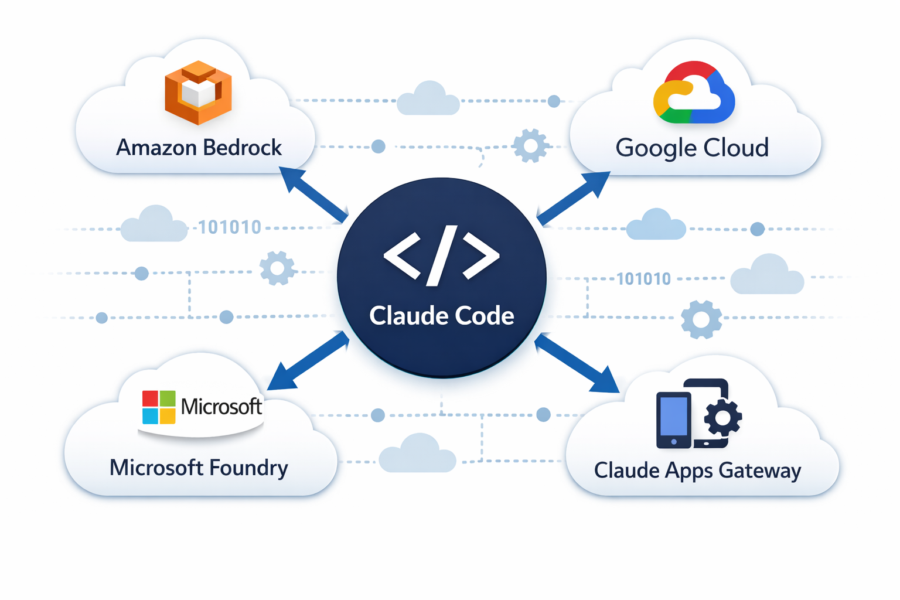
Auto mode allows Claude Code sessions to proceed without requiring manual approval for each tool call or action, significantly speeding up development workflows. Teams that reach Claude through a cloud provider get the same fewer-prompts workflow as direct API users; disableAutoMode turns it off for organizations that prefer more manual control.
Enhanced MCP Hook Security Controls
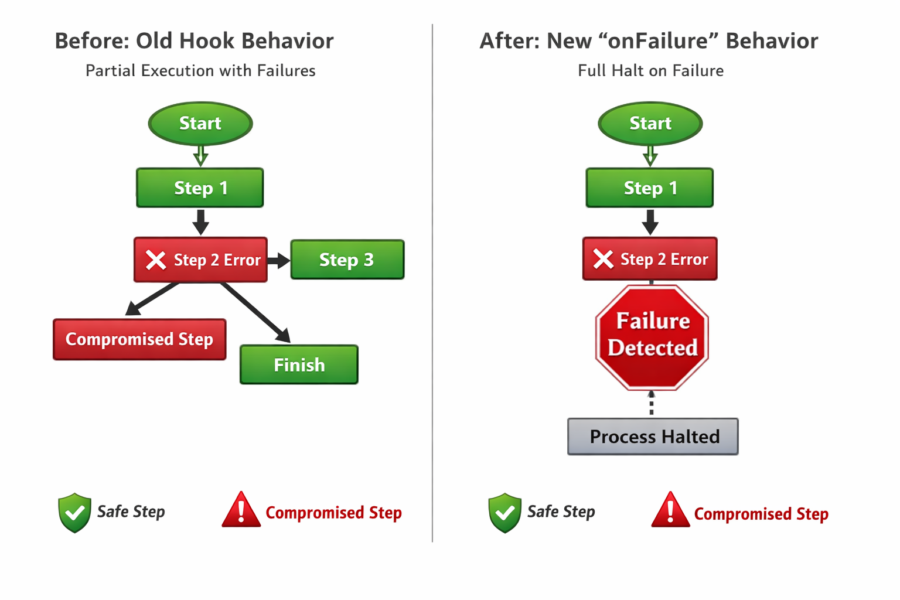
The update introduces important new safety features for Model Context Protocol (MCP) tool hooks. The release introduced “onFailure”: “block” for mcp_tool hooks, ensuring that failed hook calls prevent subsequent actions, mitigating potential side effects. This change gives developers better control over error handling and prevents partial execution when critical validation steps fail.
Previously, a failed hook might allow an action to proceed in a compromised state. The new blocking behavior ensures that operations halt completely when hooks encounter errors, making automated workflows safer and more predictable.
Code Review Command Gets More Focused
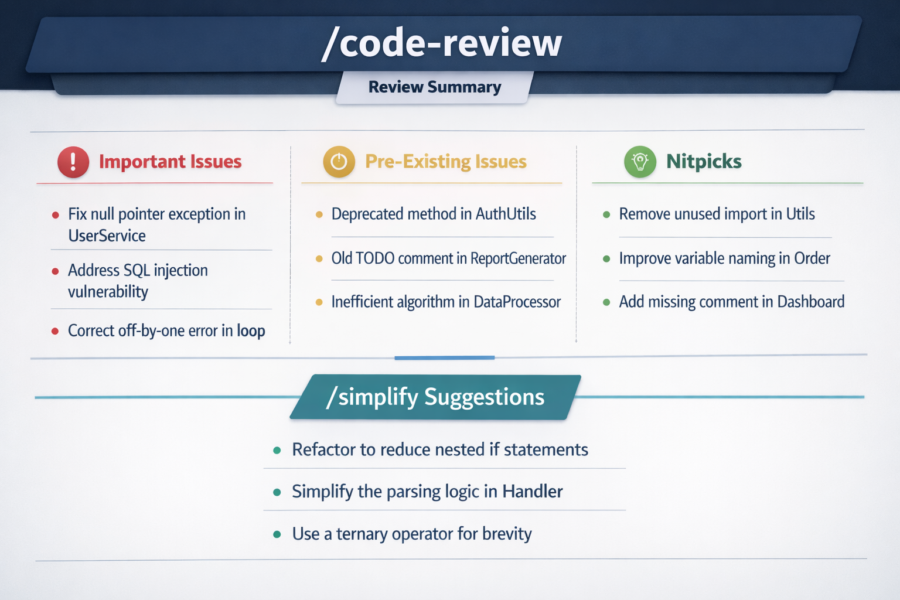
/code-review on most models reports only bugs and CLAUDE.md violations, labelled Important, Pre-existing or Nit, representing a significant narrowing of scope. Reuse and simplification suggestions move out of /code-review into /simplify, so review output gets shorter and more focused on real defects.
This change separates critical bug detection from style and optimization recommendations, making it easier for developers to triage issues by severity. The stricter focus means code review sessions will produce more actionable feedback without being diluted by lower-priority suggestions.
Performance Improvements and Bug Fixes
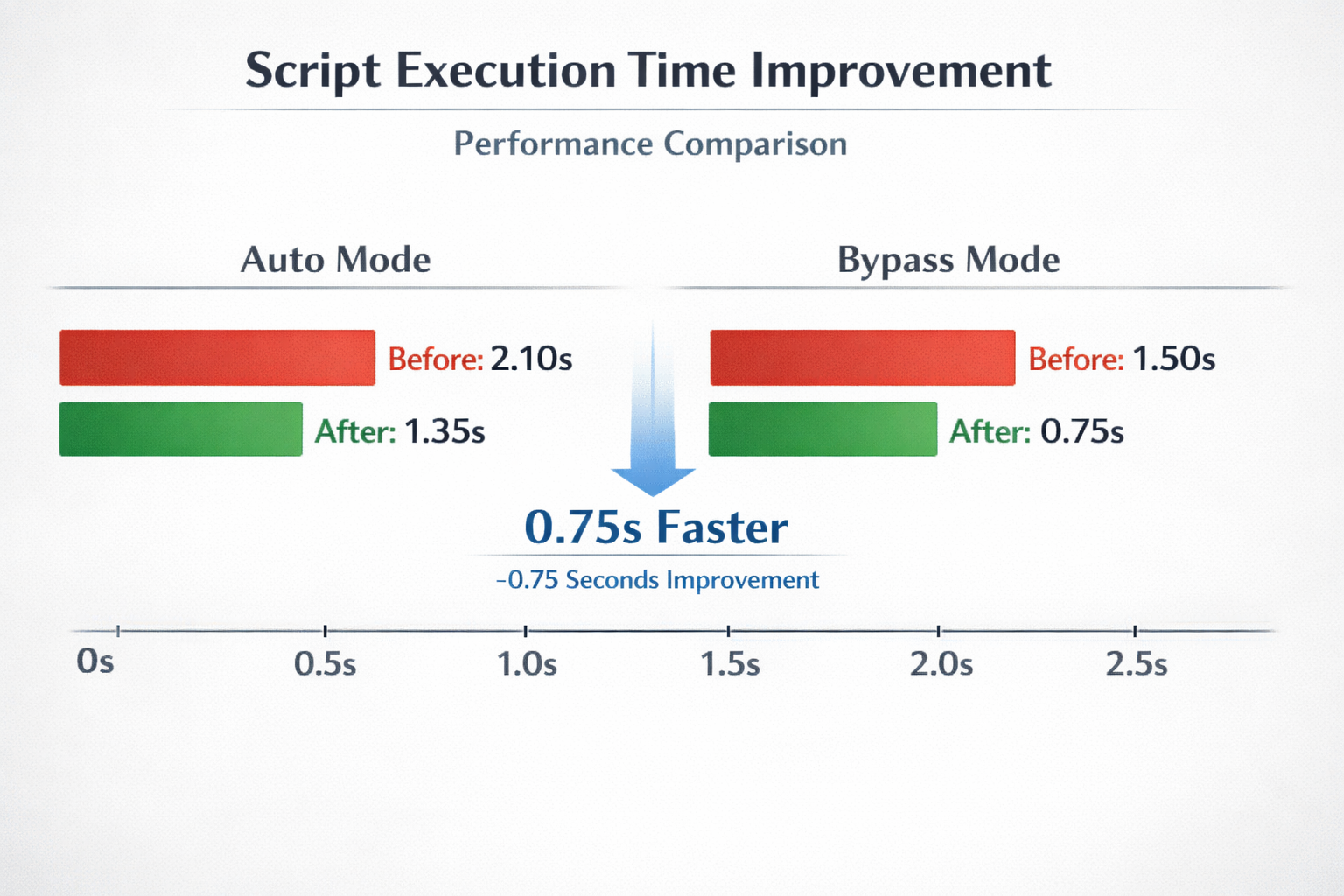
Claude Code 2.1.328 includes performance optimizations specifically for auto and bypass permissions modes. Code Mode scripts lose a 0.75-second pause after most scripts in auto and bypass modes, making automated workflows noticeably faster.
The release also addresses multiple bug fixes related to Code Mode functionality. Among the improvements are fixes for scripts not running in the background when sessions are resumed, issues with permission prompts appearing inconsistently during parallel script execution, and problems with commands failing to load under certain auto mode configurations.
Key Facts
- Claude Code 2.1.328 added auto mode for Claude Opus 4.6 and Sonnet 4.6 on Amazon Bedrock, Google Cloud’s Agent Platform, Microsoft Foundry and Claude apps gateway
- Interactive sessions that don’t set a permission mode start in auto mode
- “onFailure”: “block” for mcp_tool hooks ensures that failed hook calls prevent subsequent actions
- Code Mode scripts lose a 0.75-second pause after most scripts in auto and bypass modes
- /code-review on most models now reports only bugs and CLAUDE.md violations, labels each finding Important, Pre-existing or Nit
Implications for Cloud Users
The expansion of auto mode to major cloud platforms represents a significant step toward platform parity for Claude Code users. Organizations that access Claude through enterprise cloud providers like AWS Bedrock, Google Cloud, or Microsoft Foundry previously faced more friction in their automated workflows compared to direct API users. This update levels the playing field, potentially accelerating adoption of Claude Code in enterprise environments where cloud gateways are mandated by IT policies.
The release comes amid ongoing development of Claude Code’s autonomous capabilities. The tool continues to evolve with frequent updates, including 144 CLI changes in this version alone, reflecting Anthropic’s investment in making AI-assisted coding more seamless and production-ready.
Sources
- VibeHacker – Claude Code 2.1.328 adds auto mode across major cloud platforms
- Dataconomy – Anthropic adds Code Mode to Claude Code for chained JavaScript tool calls
- Clauding – Claude Code 2.1.328 introduces safer automation and code-review changes
- QuotaTick – Claude Code 2.1.328 adds failure blocking for MCP hooks
Sources
- Claude Code Changelog (November 2026)
- Claude Code 2.1.328
- Claude Code 2.1.328 — auto mode on cloud…
- Claude Code v2.1.328: New Features & Performance Updates
- Claude Code: Anthropic’s Terminal AI Coding Agent
- Claude Code Changelog on X: “Claude Code 2.1.328 is now available. 144 CLI changes Highlights: • Auto mode for Opus/Sonnet 4.6 on clouds & gateway lets sessions skip permission prompts, speeding workflows • Added onFailure: block for mcp_tool hooks so failed hook calls block the action and preven… / X