Anthropic Cuts Claude Code System Prompt 80%, No Loss

Anthropic has dramatically reduced the system prompt powering its Claude Code tool by approximately 80 percent for its newest generation of AI models, with no measurable decline in coding performance. The company published “The new rules of context engineering for Claude 5 generation models” on July 24, 2026, describing how the Claude Code team removed over 80% of the system prompt for models like Opus 5 and Fable 5 with no measurable loss on coding evaluations. The move represents a fundamental shift in how developers should approach prompt engineering for advanced AI models.
From 800 Tokens to 164: A Radical Simplification
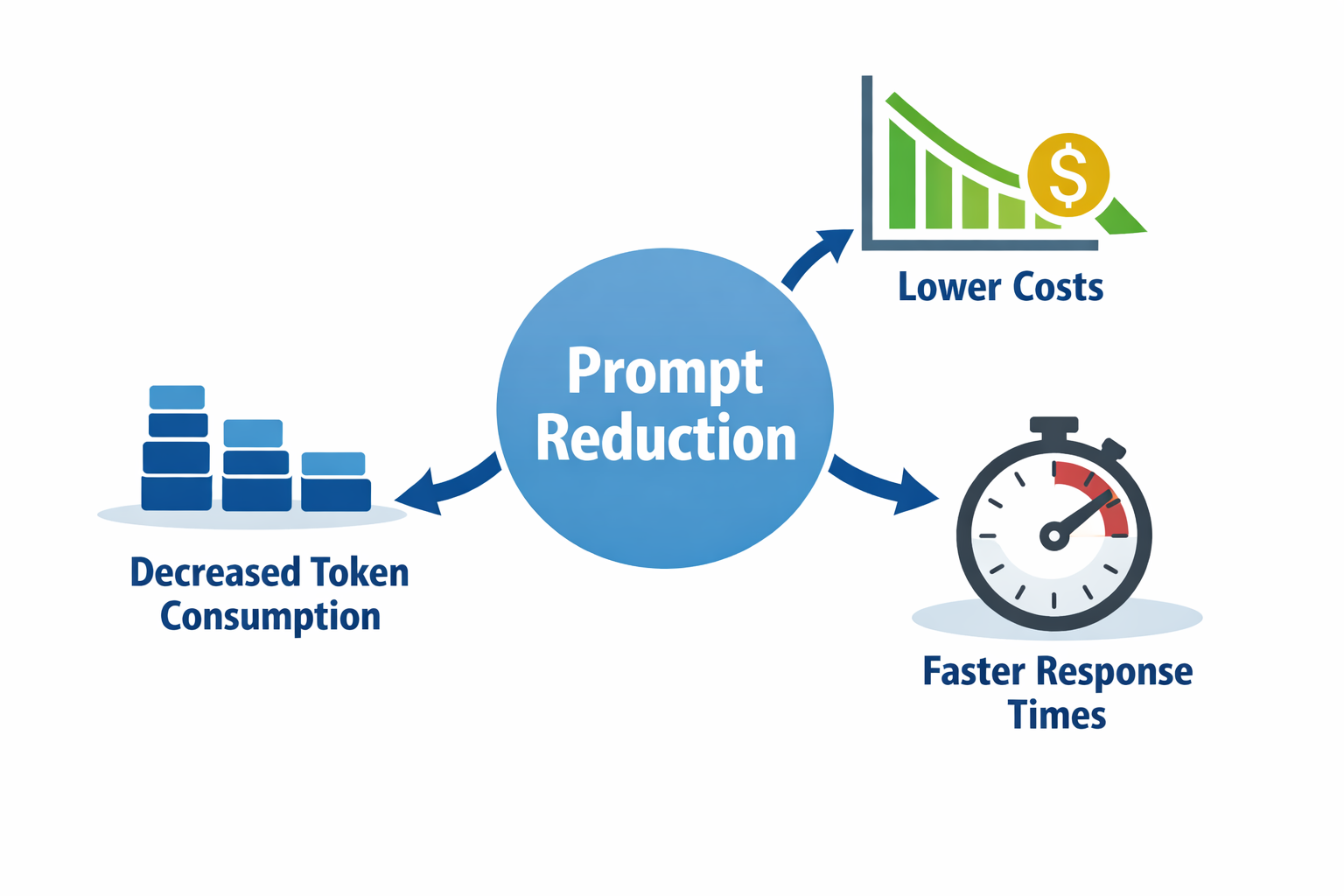
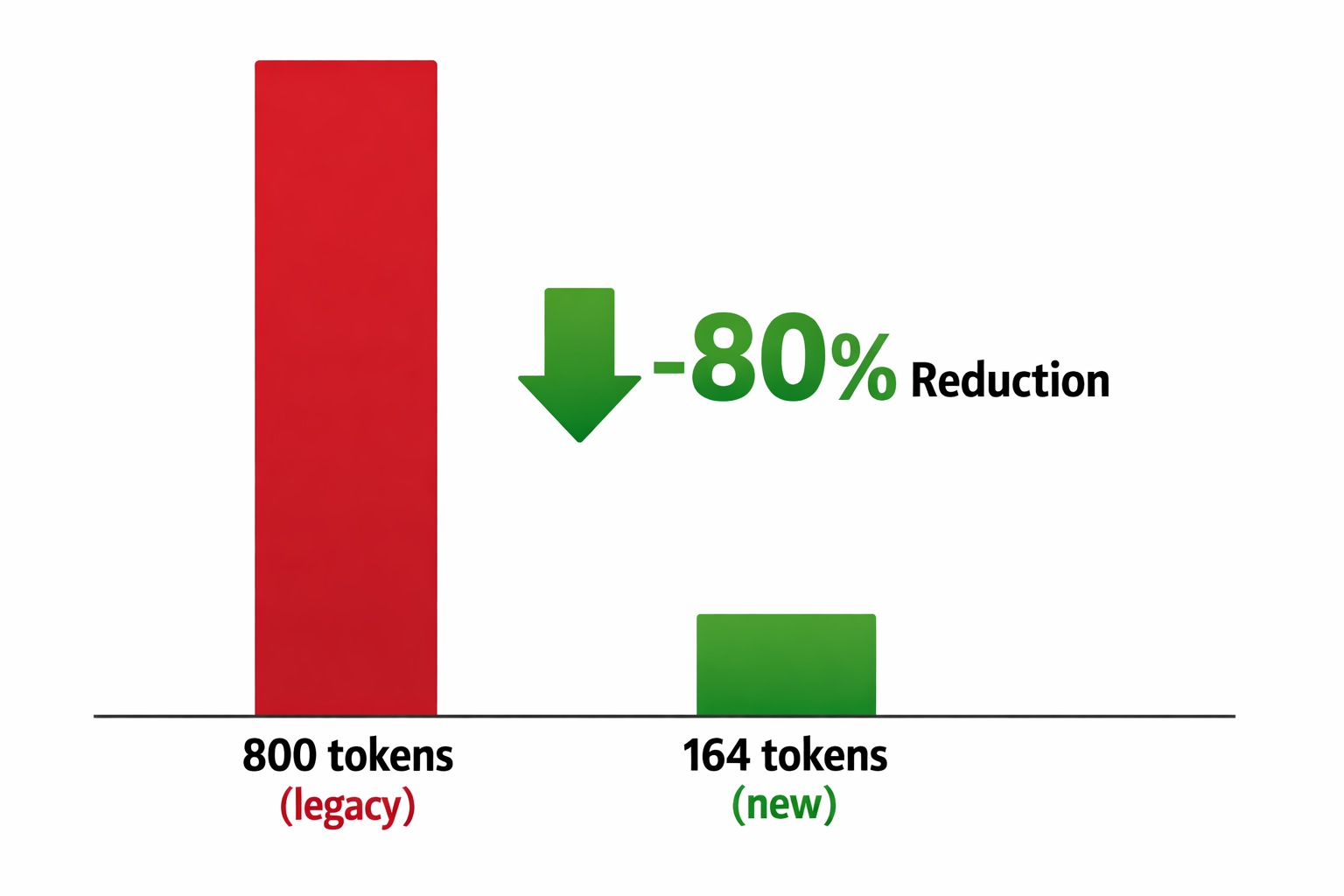
Claude Code’s old system prompt was roughly 800 tokens of detailed instruction, while the new prompt is 164 tokens. The reduction delivers immediate practical benefits beyond performance metrics. Cutting that prompt by 80% means fewer tokens consumed per interaction, which translates directly to lower costs and faster response times for every single user.
Claude Code is a command-line tool that lets developers manage coding tasks through conversation with an AI agent. Because the system prompt accompanies every developer request, the size reduction compounds across thousands of daily interactions, significantly lowering operational costs for teams using the tool at scale.
Why Newer Models Work Better With Less Direction
The counterintuitive finding challenges conventional wisdom about AI prompt engineering. The company’s newer Fable 5 (Mythos-class) models demonstrate something counterintuitive: they actually work better with less direction, and overly prescriptive prompts can actively stifle their performance.
Thariq Shihipar, a Member of Technical Staff at Anthropic, revealed that the team deleted over 80% of Claude Code’s system prompt when migrating to Claude Opus 5 and Fable 5, with no measurable loss on coding benchmarks. The discovery came from systematic testing that compared the bloated legacy prompt against increasingly minimal versions.
Earlier generations of AI models relied on explicit instructions, worked examples, and carefully defined boundaries to produce useful results, but the newer architecture has internalized enough understanding that it can handle ambiguity and context without having every rule spelled out in advance.
Six Core Shifts in Context Engineering
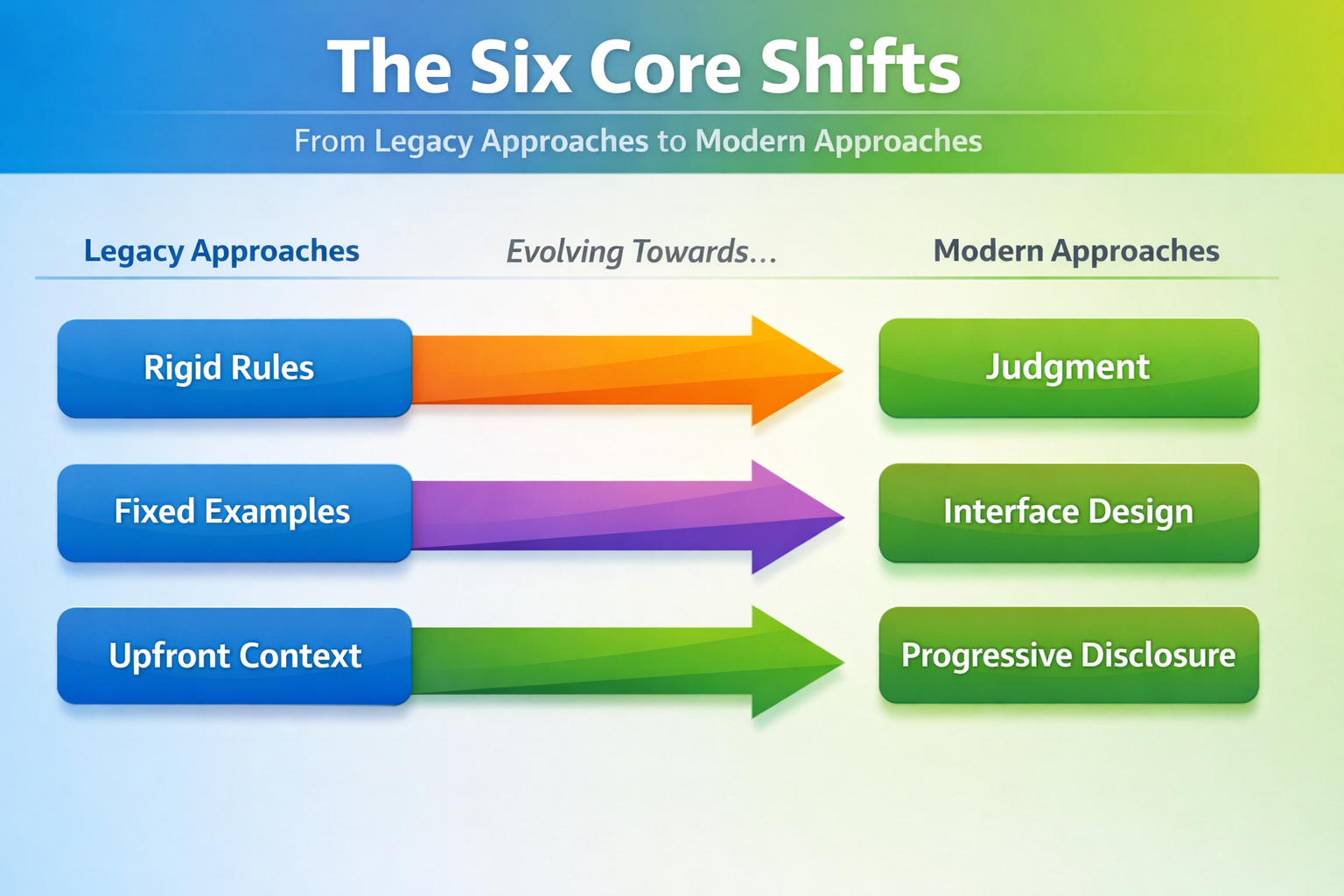
The post documents six specific shifts in how they now engineer context: Rules to judgment. Rather than enforcing rigid constraints, the new approach emphasizes adaptability and contextual awareness.
One telling example illustrates the transformation. The old system prompt contained constraints like “default to writing no comments. Never write multi-paragraph docstrings.” The new version says “write code that reads like the surrounding code: match its comment density, naming, and idiom.”
The shifts include: Rules become judgment, examples become interface design, and upfront context becomes progressive disclosure through skills. This framework replaces front-loaded instructions with dynamic, on-demand context delivery that responds to what the model actually needs in each moment.
Implications for Developer Workflows
If Anthropic’s own system prompt was bloated with unnecessary guardrails, yours almost certainly is too. Every CLAUDE.md file built for Claude 3 behavior carries the same legacy risk, as instructions that once tamed a less capable model now create conflicting guidance for a more capable one.
If newer models increasingly carry their behavioral scaffolding inside their weights, the role of system prompts shifts from comprehensive rulebooks to lightweight context-setters. That could reduce the engineering overhead for teams building on top of Claude’s API, but it also changes how operators think about customization and control.
The announcement arrived on the same day Anthropic launched Claude Opus 5, suggesting the prompt reduction was timed to coincide with the new model’s capabilities. The post landed on HN with 197 points and 133 comments.
Broader Strategic Shift at Anthropic
This represents a broader strategic pivot at Anthropic away from rigid, hard-coded prompts toward a context-driven approach. The company appears to be betting that as training pipelines become more sophisticated, the boundary between what a model learns during training and what it needs to be told at inference time will continue to blur.
The decision to strip the system prompt down was not purely theoretical. Engineers tested the leaner version and found it performed at least as well, and in some cases better, than the version loaded with detailed behavioral instructions.
Context engineering is the practice of designing the persistent information that surrounds every AI interaction, including CLAUDE.md files, system prompts, skill libraries, and memory systems. Anthropic’s guidance suggests this discipline is evolving rapidly as model capabilities advance.
Key Facts
- Anthropic reduced Claude Code’s system prompt from approximately 800 tokens to 164 tokens, an 80% reduction
- The change was announced July 24, 2026, the same day Claude Opus 5 launched
- Testing showed no measurable performance loss on coding evaluations after the reduction
- The new approach emphasizes progressive disclosure and on-demand context over front-loaded instructions
- Fable 5 models demonstrate enhanced performance with less prescriptive direction
- The reduction delivers direct cost savings and faster response times through lower token consumption
Sources
- Anthropic Removed 80% of Claude Code’s System Prompt – Developers Digest
- Anthropic cuts Claude Code’s system prompt by 80% with no performance loss – Crypto Briefing
- Claude 5 Context Engineering — Thariq /doctor Guide – ExplainX.ai
- Claude 5 Context Engineering: Anthropic Deleted 80% Prompt – ByteIota
Sources
- Anthropic Removed 80% of Claude Code’s System Prompt. Here Is What They Learned. – Developers Digest
- Anthropic cuts Claude Code’s system prompt by 80% with no performance loss
- Claude 5 Context Engineering: Anthropic Deleted 80% Prompt | byteiota
- Anthropic Deletes 80% of Claude Code’s System Prompt for Claude 5 | AI Weekly
- Anthropic Slashes Claude Code System Prompt by 80% | ClaudeAINews