An Event Planner’s Go-To Guide For The Best Audio-Video System
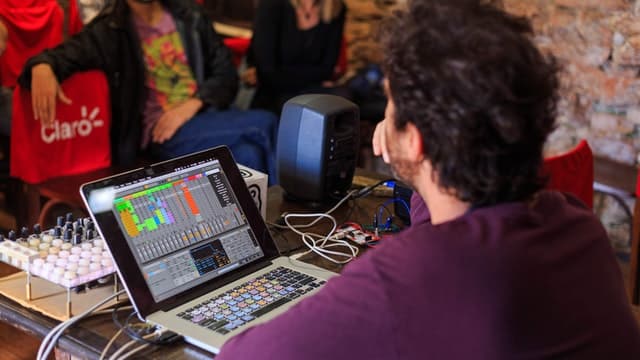
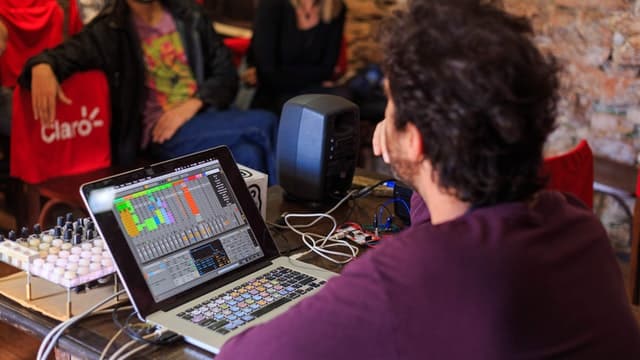
As an event planning company, you face many challenges with all the projects you take. We know it is not easy to handle and manage different clients, their varied demands, and even their set-ups. Some of them want the event to appear extra grand and sophisticated, while the others think keeping it subtle and homely, yet impressive, of course. Then there are the audiovisuals to think of as well! This audiovisual (AV) system ensures that the entire crowd perceives whatever happens on the center stage. Each person can participate in the event either by speaking when required or by viewing or listening to what is happening. And believe us, this set-up requires more effort than you can think of, even if you consider calling the best AV team to set it up for the event.
How to ensure the best AV set-up in an event?
A fine working audiovisual system is a must-have for every event, and when handled well, it should act seamlessly. Here’s an AV event planning checklist that will guarantee you meet your client’s demands before the event even begins. Use this essential audiovisual checklist to make sure you’re communicating effectively and asking all of the necessary questions to the audio video system integrators. The Audio Design Solution Inc is one of the best AV services companies providing all the latest quality and updated systems for any event you plan. Not only will you comprehend how widely used equipment works, but you will also understand what to include for your various occasions.
Including a soundboard for the event
Will you have many microphones in the same room? Your AV staff will use a mixer or soundboard to equalize sound, regulate feedback, and adjust microphone volume levels. Before sending audio signals to your speakers, these computerized consoles modify and blend them. Make sure your A/V team knows the correct number of speakers who will require microphones. But what if you need extra mics for audience questions during your event? Be prepared. Also, double-check that your mixer has enough channels. A helpful tip is to consult your trusted AV and lighting integrators in Houston, or your local experts, about placing monitor speakers so presenters on stage can clearly hear audience queries.
The exact ratio for the screen presentation
The precise proportion of a screen is the balance of its width to its height. The two most frequent ratios are 16:9 (commonly known as widescreens) for high definition televisions and 4:3 for standard definition screens. When presenters construct their presentations, this is frequently an issue for you. Widescreen is the most common these days. Now, your budget will determine which screen you use. But, make sure your guest speakers arrange their presentations keeping in mind the screen you plan to use.
Ideal projector for the event
The sort of projector you choose depends on the nature of your event. Is it PowerPoint presentations or movies that you’re showing? Are you going to have to webcast a speech or an interview? A brighter projector is often preferable for presentations since it offers enough visibility. However, keep in mind the quantity of natural light available. A brighter projector guarantees that everything appears clear when a room has a couple of windows. When it comes to streaming material, back screen projection may be the best option because it produces higher-quality graphics.
For complex projection setups or multi-camera webcasts, having experienced technical staff onsite can be the difference between a crisp transmission and last-minute troubleshooting. Skilled crews will preflight projectors, manage signal routing, and adjust exposure and color balance as ambient light shifts during an event. If you don’t maintain a permanent in-house team, a nationwide AV staffing service can quickly provide vetted technicians tailored to the scope of your production. Consider www.audiovisualnation.com for crews experienced with conventions, product launches, and hybrid broadcasts. Relying on specialists lets you focus on program content while technicians maintain consistent visual quality throughout the run.
Type of microphone
If only one speaker needs a microphone and will be standing in the same location, go wired. On the other hand, what if your speaker plans to accept questions from the audience? With a portable wireless mic, you’ll be able to move about with ease. To make Q&A easier, consider using a catch box microphone. It allows for a more involved experience and is compatible with almost all mixers.
You don’t have to be as expert as your technician, but understanding how things function can help you better determine your AV requirements, choosing equipment, system provider, and budget. Every event is unique, which means it has its own set of audiovisual requirements. Determine the nature of the occurrence to determine which choices you should examine.