7 Key Benefits of Using Investment APIs for Financial Institutions
Dec 12, 2025
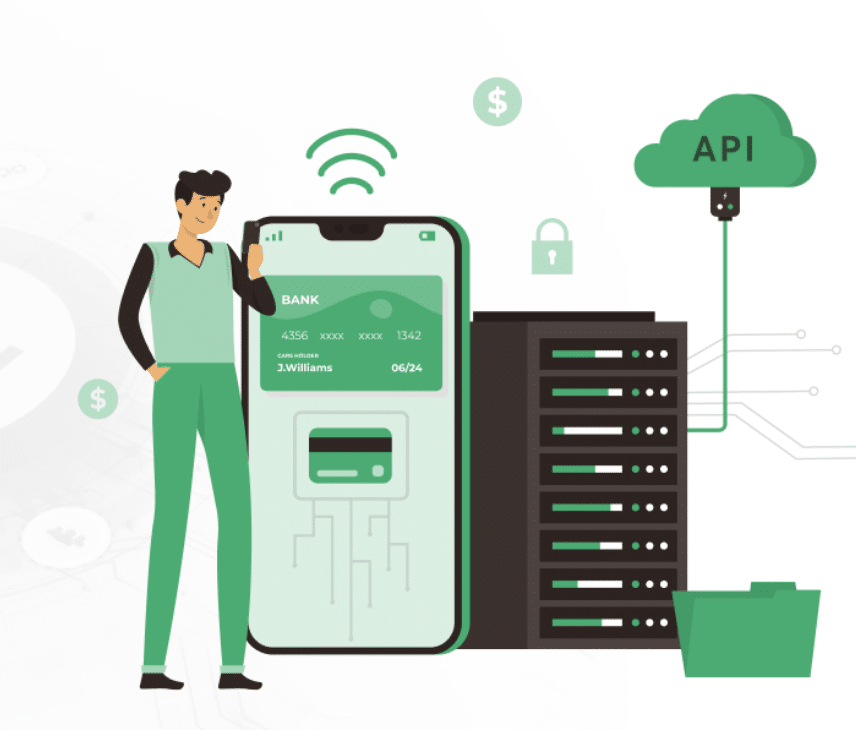
What Are Investment APIs?
At their core, Application Programming Interfaces (APIs) are structured connectors that allow software systems to communicate with one another. They define how data is requested, transmitted, and interpreted across separate systems. An investment API follows the same principle but is applied within digital investment environments. Within banks, insurers, and wealth management firms, APIs often play a role in connecting:- Front-end digital channels with internal decision engines.
- Product catalogues with customer-facing interfaces without offering or promoting those products directly.
- Middle- and back-office systems that require consistent data input and output.
- Reporting or operational tools that rely on structured system-to-system communication.
The 7 Key Benefits of Using Investment APIs for Financial Institutions
The following benefits relate only to operational, architectural, and organisational advantages for regulated institutions.1. Faster Integration and Reduce Time-to-Market?
A well-structured investment API can significantly simplify technical integration by creating a consistent method for systems to exchange data. This helps institutions:- Connect new digital modules more easily.
- Introduce additional front-end channels without rebuilding core architecture.
- Reuse existing internal capabilities through a standardised interface.
2. Improved Scalability Through Modular Architecture
As institutions scale their digital offerings, modular architecture becomes increasingly important. An investment API allows different components of a digital ecosystem to evolve independently. This modularity helps:- Add new capabilities without disrupting stable systems.
- Support increased user volumes as demand grows.
- Adapt more quickly to organisational change.
3. Improved Operational Efficiency
Operational efficiency is often one of the most compelling technical advantages of API use. With a well-structured investment API, institutions can streamline internal workflows by:- Reducing manual data transfer between systems.
- Minimising duplication of effort across teams.
- Ensuring that different systems reference consistent datasets.
- Eliminating repetitive or outdated integration patterns.
4. Better Data Connectivity and System Interoperability
Many financial institutions work with dozens of systems across the front, middle, and back office. APIs act as a unifying connective layer, helping to:- Ensure consistent data flows between existing tools.
- Maintain technical synchronisation across business units.
- Support audit-ready technical documentation and data lineage.
5. Support for Personalised Digital Experiences
Personalisation is often seen as consumer-facing, but for regulated institutions, it primarily means having the ability to configure digital journeys within their own governance framework. APIs can support this by enabling:- Customisable digital flows aligned to the institution’s internal policies.
- Integration of institution-specific logic, documentation, or decision points.
- Tailored user interfaces without altering core systems.
6. Reduced Maintenance Burden for IT Teams
API-based architectures generally simplify long-term maintenance by centralising technical logic and reducing the number of point-to-point connections. Benefits include:- Faster updates when core functionality changes.
- Reduced dependency on bespoke code.
- Streamlined release management.
- Easier monitoring of system performance.
7. Better Governance, Auditability, and Transparency of Technical Processes
From a governance perspective, APIs often enhance the clarity and traceability of internal processes. This includes:- More structured logs and activity histories.
- Better visibility over technical workflows.
- Easier integration into existing monitoring and audit frameworks.
What To Consider When Evaluating API Providers
When assessing any API provider, institutions should use neutral, non-comparative criteria. These considerations focus on technology quality, integration readiness, and internal alignment. Key points include:- Security standards: Encryption methods, access controls, and adherence to industry best practice.
- Documentation quality: Clear technical references, examples, and versioning information.
- Integration support: Availability of developer assistance, sandbox environments, and testing tools.
- Adaptability: Flexibility to align with the institution’s architecture and compliance guidelines.
- Internal compliance fit: Ability to operate within the institution’s regulatory perimeter and governance processes.
- Intellectual property considerations: Ensuring correct licensing, proper attribution, and use of copyright-approved assets only.