2026 Ecommerce SEO: AI, Visual Search, Advanced Schema

I’ll search for recent news and updates about ecommerce SEO strategy to write a timely article.
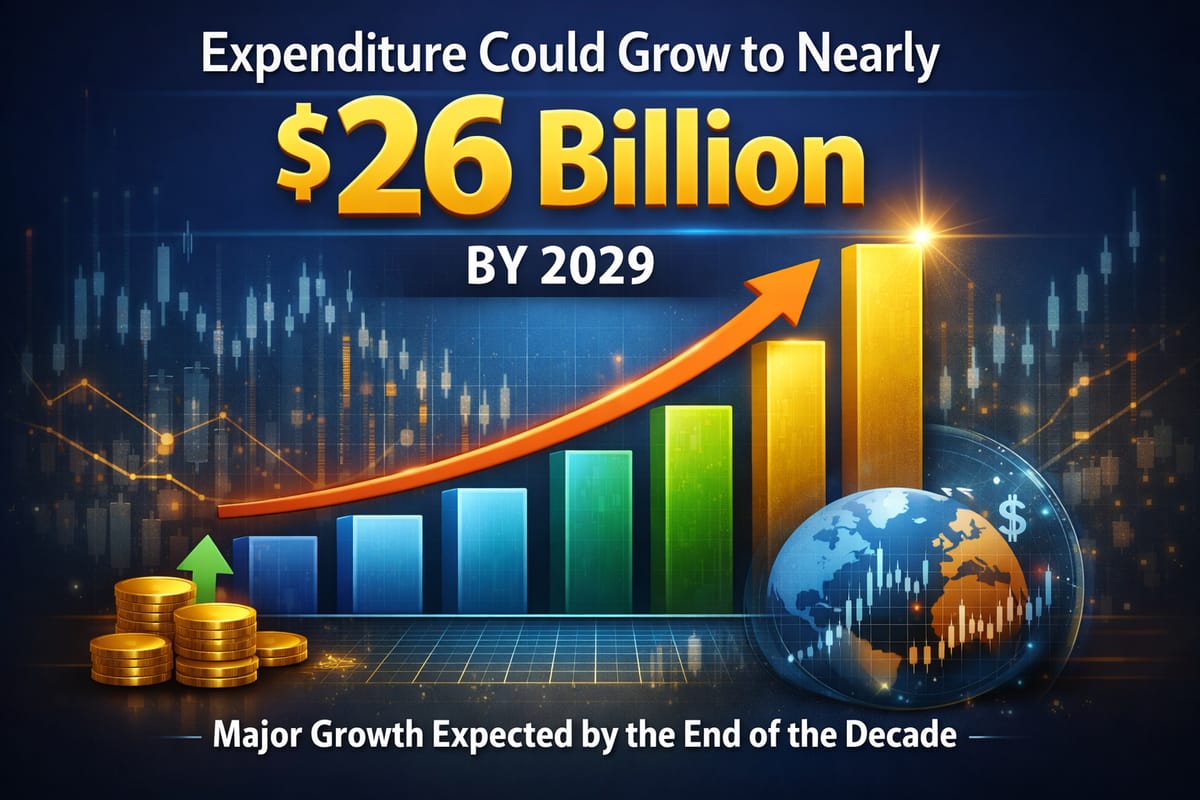
The ecommerce SEO landscape has undergone significant transformation in 2026, driven by the rapid integration of artificial intelligence into search engines and the emergence of new search behaviors that are reshaping how online stores must optimize for visibility. In 2025, U.S. spending on search advertising within generative artificial intelligence platforms, as well as with AI-powered search summaries, was estimated at $1 billion, with projections showing expenditure could grow to nearly $26 billion by the end of 2029. This shift represents a fundamental change in how ecommerce businesses must approach search optimization strategies.
AI-Powered Search Reshapes Optimization Requirements
In 2026, businesses no longer think only of classic search engines such as Google or Bing, but the emergence of Generative Artificial Intelligence makes them consider other platforms that are now disrupting users’ search habits: ChatGPT, Perplexity, Claude, among others. This evolution has forced ecommerce stores to reconsider their entire SEO framework.
Conversational discovery and AI-led shopping is quickly becoming the new norm, as such, SEO for ecommerce sites should take this into account when creating their strategy and adjust the content they have before they lose ranking online. The traditional approach of optimizing for ten blue links has shifted toward appearing in AI snapshots and visual product grids.
AI has a significant influence on search in 2026, but it hasn’t replaced SEO—it’s simply changed how it works, with AI enhancing strategy through drafting product descriptions which are then refined by humans. However, strong foundational SEO practices remain crucial for success.
Advanced Schema Markup Becomes Essential
In 2026, the standard product schema (Price, Availability) is just the baseline, with businesses needing to implement an advanced schema that includes ShippingDetails, ReturnPolicy, and MerchantReturnPolicy. This structured data has become critical for product visibility.
Google uses this structured data to populate the “free listings” in the Shopping tab, and if schema is broken, products may be disapproved or rank lower than competitors who provide this data clearly. The technical precision required for schema implementation has increased substantially compared to previous years.
Visual and Voice Search Gain Prominence
Gen Z does not just type keywords but searches with images, with tools like Google Lens allowing users to snap a photo of a shoe on the street and find where to buy it instantly, making eCommerce SEO strategies that ignore images invisible to this growing demographic. This represents a fundamental shift in search behavior that online stores must address.
AI-powered search optimization for e-commerce businesses is now essential for matching user intent and improving rankings in 2026, while voice and visual search strategies capture growing traffic from conversational and image-based queries. These emerging search methods require distinct optimization approaches beyond traditional keyword targeting.
Mobile Optimization Reaches Critical Mass
Mobile SEO improvements are essential for businesses in Asia-Pacific and beyond in 2026, with almost 80% of people in Asia-Pacific having used smartphones in 2023, a significant increase from 64% in 2019, and by 2030, over 90% expected to use smartphones. This trend has global implications for ecommerce optimization priorities.
Over 70% of shoppers browse on mobile devices, with responsive design, easy navigation, fast checkout process, and readable product descriptions directly impacting rankings and sales. Mobile experience has evolved from a ranking factor to a fundamental requirement for ecommerce success.
Content Strategy Shifts Beyond Keywords
Ecommerce SEO in 2026 isn’t about quick wins or clever hacks but is all about building a solid structure, following a clear strategy, and executing it consistently, with the fundamentals mattering more than ever whether handling it in-house or working with an Ecommerce SEO company. This represents a maturation of the industry away from tactical shortcuts.
In 2026, SEO isn’t just about text-based content, with YouTube videos, Instagram Reels, and even short-form social clips ranking high in search results, meaning that if video content dominates search results for queries like “how to style oversized t-shirts,” written content alone won’t cut it. Multi-format content strategies have become standard practice.
Product pages must move beyond standard reviews to encourage User Generated Content (UGC), add photos of customers wearing the product, and embed video testimonials directly on the product page, with a generic manufacturer description being a liability in 2026 while a page filled with real human feedback is an asset.
Data-Driven Approaches Become Standard
Google’s ranking systems analyze billions of web pages every single second, assessing hundreds of signals to decide which gets the top spot, meaning SEO efforts should be based on data, with specific information like clicks, searches, and sales being the building blocks of strategy. This analytical approach has replaced intuition-based optimization methods.
One of the most overlooked advantages in ecommerce SEO is your own internal data. Successful stores are leveraging their proprietary customer journey information to inform optimization decisions rather than relying solely on external keyword research tools.
Technical Performance Gains Priority
Technical aspects play a crucial role in this process, with fast-loading pages, mobile-friendly designs, and secure connections giving stores advantages over competitors who neglect these details. Performance optimization has moved from nice-to-have to competitive necessity.
The recommendation is to aim for a loading speed under 3 seconds. This specific benchmark reflects the increased performance standards that search engines and users now expect from ecommerce experiences.
Key Facts
- U.S. spending on search advertising within generative AI platforms was estimated at $1 billion in 2025, projected to grow to nearly $26 billion by the end of 2029
- Over 70% of shoppers browse on mobile devices
- 93% of internet users start their research in search engines
- 23% of overall orders in ecommerce come from search
- Ecommerce SEO costs typically range between $1,500 and $10,000 per month, based on website size, competition level, target market, technical difficulty, and ongoing optimization needs
- Linking remains one of the foundations of success in 2026
Sources
- https://www.bigcommerce.com/articles/ecommerce/ecommerce-seo/
- https://www.debugbear.com/blog/ecommerce-website-seo
- https://seoprofy.com/blog/ecommerce-seo-trends/
- https://legiit.com/blog/ecommerce-seo-in-2026
Sources
- Ecommerce SEO in 2026 (Increase Your Organic Traffic)
- The Complete Guide To Ecommerce SEO in 2026 | DebugBear
- Your Ultimate Guide to Ecommerce SEO in 2026 | 01
- eCommerce SEO in 2026 – 5 Things to have an eye on
- Best E-commerce SEO Strategies for 2026 to Boost Sales
- Top 10 Ecommerce SEO Trends for 2026 | SeoProfy
- E-Commerce SEO Guide 2026: Increase Traffic & Boost Online Store Sales
- Comprehensive Ecommerce SEO Guide for 2026