The Wedding Planning Timeline Nobody Explains Properly
 5 min read
Wedding planning timelines make everything look suspiciously simple. Book a venue, pick some flowers, send invitations, and get married. However, once you actually start planning, you may discover that choosing a date requires knowing your guest count, budget, venue availability, and whether anyone else is planning to get married at the same time.
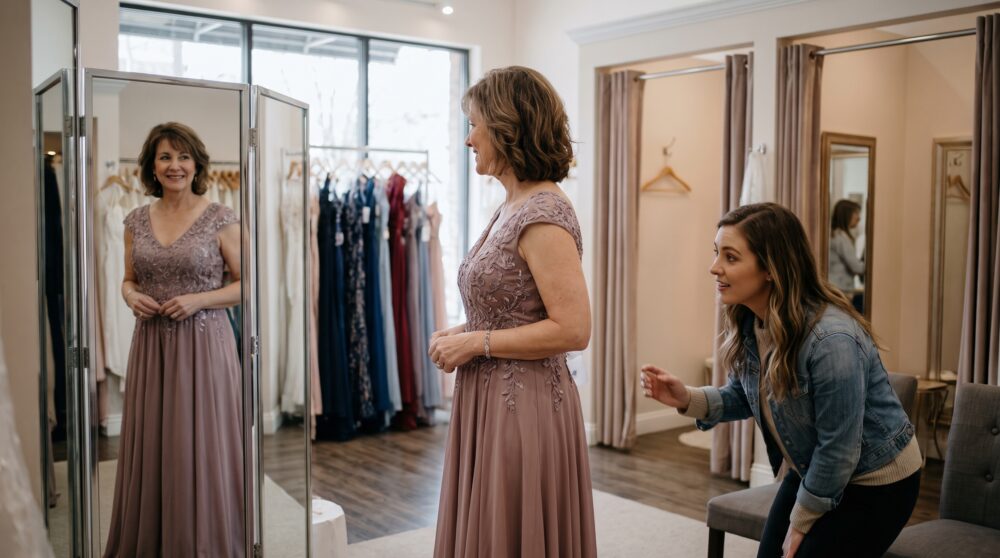
The reality is that wedding planning isn’t perfectly linear. Some decisions need to happen early, like picking out the mother of the bride dresses, while others can wait much longer than social media suggests.
Here’s what the timeline actually looks like.
12 to 18 Months Out: Lock Down the Decisions That Control Everything Else
Start with the big three: budget, guest count, and location. You don’t need an exact spreadsheet or finalized seating chart, but you should know whether you’re planning an intimate 50-person celebration or inviting 250 people.
From there, start touring venues and considering dates. Once your venue and date are secured, you can confidently book high-priority vendors, such as your planner, photographer, caterer, or videographer.
9 to 12 Months Out: Build the Wedding’s Supporting Cast
At this point, the fun details can start taking shape. Book major vendors, choose your wedding party, and begin shopping for wedding attire. This is also a perfectly reasonable time to start exploring dresses for the other members of the party, particularly if the wedding has a defined color palette or level of formality.
Starting early leaves plenty of room for ordering, alterations, and changing your mind without turning dress shopping into an emergency. If guests will be traveling, consider sending save-the-dates around this stage, too.
6 to 10 Months Out: Welcome to the Surprisingly Busy Middle
This is when your Pinterest board starts becoming an actual event. Finalize your broader wedding aesthetic, including colors, flowers, rentals, linens, and décor.
You’ll also want to handle wedding-party attire, reserve hotel blocks, arrange transportation, and begin planning your honeymoon. If international travel is involved, check passports now rather than discovering an expiration problem three weeks before departure.
4 to 6 Months Out: Handle the Details Guests Will Actually Notice
Now it’s time for invitations, menus, desserts, drinks, music, signage, and other guest-facing details. Schedule tastings, order stationery, and arrange hair and makeup trials. This stage can feel surprisingly busy because dozens of small decisions suddenly appear. Set deadlines for yourself so you’re not debating cocktail napkins at midnight.
2 to 4 Months Out: Start Connecting All the Moving Pieces
With the major decisions settled, focus on making everything work together. Mail invitations, finalize ceremony readings and music, and purchase remaining accessories.
This is also a good time to draft the wedding-day schedule. Confirm approximate arrival and setup times with vendors so you can spot logistical conflicts early. Your timeline doesn’t need to account for every minute yet, but it should finally start to look like one coordinated event rather than several unrelated reservations.
One Month Out: Stop Starting New Projects
With about a month to go, the goal changes from creating things to confirming them. Chase down any missing RSVPs, start building the seating chart, attend final fittings, and ensure transportation plans are settled.
This is also the moment to confirm remaining balances, vendor arrival windows, and any special requests. Most importantly, resist the urge to begin an ambitious DIY project because you saw something adorable online.
The Final Week: Confirm, Pack, and Delegate
The final week should be about tying up loose ends, not making major decisions. Give the venue and caterer your final guest count, prepare vendor tips or outstanding payments, and pack anything you’ll need for the ceremony and reception.
Then start delegating. Give trusted friends, relatives, or your wedding coordinator the responsibility of answering vendor questions and handling minor issues. If the florist needs to know where centerpieces go while you’re getting dressed, somebody besides you should have the answer.
Create an emergency kit, too. Safety pins, stain remover, pain relievers, tissues, fashion tape, snacks, and a phone charger can become unexpectedly valuable.
The Day Before: Your Planning Job Is Basically Over
If you’re having a rehearsal, use it to make sure everyone understands the basic ceremony logistics. Afterward, hand off important items, such as rings, marriage paperwork, décor, and vendor information, to the appropriate people.
Then, eat something substantial, drink water, spend time with the people you love, and get some sleep. Tomorrow is supposed to be fun.
The Best Wedding Timeline Leaves Room for the Wedding
Planning early isn’t about spending a year obsessing over tiny details. It’s about handling important decisions soon enough that you’re not overwhelmed later.
Prioritize the choices that unlock other choices, set reasonable deadlines, and build in extra time for the final stretch. The best timeline doesn’t simply get you to your wedding day on schedule. It gives you enough breathing room to enjoy getting there.