
Ways To Refresh Your Business Without a Complete Remodel
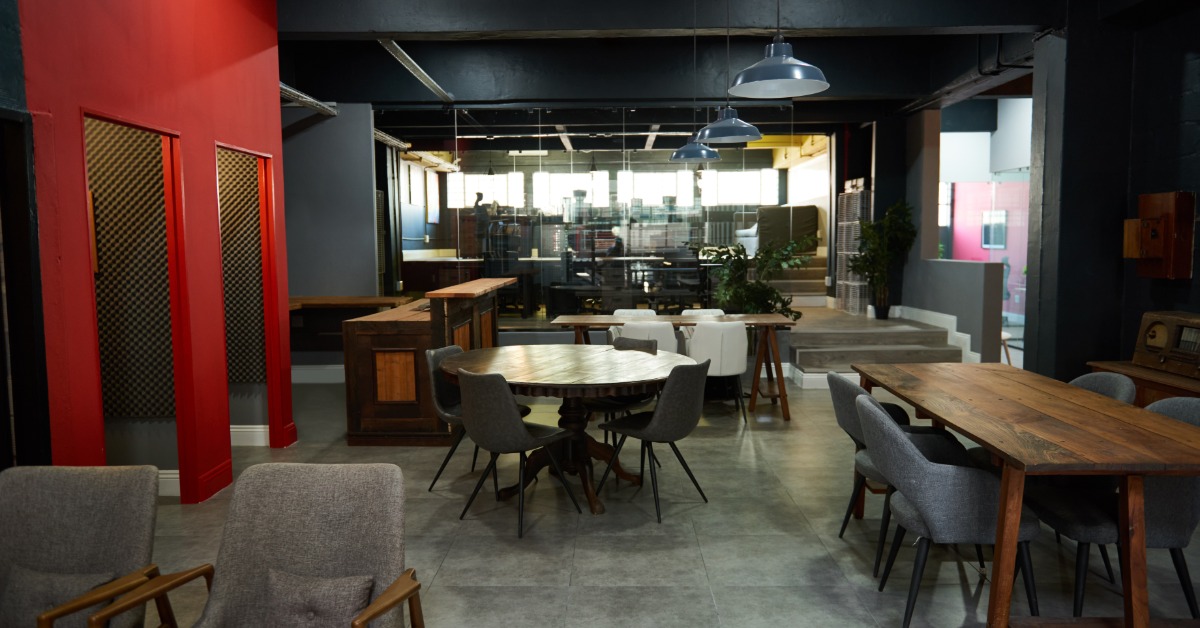
A business space does not need a major renovation to feel noticeably different. Small, deliberate updates improve how customers perceive a company, make the workplace more comfortable for employees, and give an established location a more current appearance.
For small business owners, this approach can also be easier to manage. Rather than dealing with construction schedules, major disruptions, and a large renovation budget, businesses can focus on improvements that address the areas customers and employees notice most. The following ways to refresh your business without a complete remodel create meaningful change while keeping everyday operations moving.
Start With a Thorough Decluttering
Before buying new furniture, fixtures, or decor, examine what can simply be removed. Over time, offices, stores, waiting areas, and other commercial spaces tend to accumulate unnecessary items. Old promotional materials remain on walls. Extra furniture gets pushed into corners. Supplies end up stored in places customers can see. Removing these distractions makes a space feel larger and more organized.
Pay particular attention to entrances, reception areas, checkout counters, meeting rooms, and other high-traffic locations. These areas shape first impressions, so keeping them clean and intentional makes a significant difference. Decluttering also gives decision-makers a clearer picture of what actually needs updating rather than covering existing problems with more items.
Update Visual Displays
Signage and graphics can date a space even when the physical interior is still in good condition. Updating visual displays is, therefore, one of the simplest ways to modernize a customer-facing environment. Consider replacing faded signs, outdated promotional graphics, old menu boards, or materials that no longer reflect current branding.
Businesses that change campaigns or promotions frequently can also consider display systems designed for easier graphics replacements. For example, SEG fabric displays outperform traditional posters because they use tensioned fabric graphics within reusable frames, offering an alternative to repeatedly installing posters.
The goal is not to fill every available wall with marketing material. A smaller number of clean, well-positioned displays create a more polished environment than numerous competing signs.
Improve the Lighting
Lighting has a major influence on how a business feels. A room can look tired, cramped, or uninviting simply because it is poorly lit. Start by looking for dark corners, inconsistent color temperatures, harsh overhead lighting, and areas where employees or customers need better visibility. Replacing aging bulbs and adjusting fixture placement may be enough to improve the environment without changing the electrical layout.
Natural light should also be used where practical. Keeping windows unobstructed and arranging furniture so daylight can reach farther into the space make an interior feel brighter and more open. For customer-facing businesses, consider how lighting affects products, signs, reception desks, and other focal points. Strategic lighting directs attention without requiring structural changes.
Reconsider the Layout
Sometimes, the problem is not the space itself but how it is being used. Furniture and equipment may have been positioned years ago based on needs that have since changed. A growing team, new technology, different customer habits, or updated workflows can make the original arrangement less practical.
Observe how people actually move through the business. Look for crowded walkways, unused corners, awkward waiting areas, and workstations that interrupt natural traffic patterns. Moving a few pieces of furniture can create better circulation and make a room appear larger. In offices, revised layouts can also support collaboration or provide employees with quieter areas for focused work.
Refresh High-Touch Surfaces and Details
Customers may not consciously notice every small detail, but worn surfaces collectively affect how a business is perceived. Door handles, counters, cabinet hardware, reception desks, shelving, and other frequently touched areas show wear faster than the rest of an interior. Replacing or refinishing these elements is generally far less disruptive than renovating an entire room.
A fresh coat of paint can have a similar effect. Instead of repainting everything, concentrate on visibly worn areas or introduce an accent wall where it complements the existing space. Consistency matters—a handful of coordinated updates will look more intentional than numerous unrelated decorative changes.
Make Employee Comfort Part of the Refresh
A business refresh should not focus exclusively on what customers see. Employees spend considerably more time in the space, and practical improvements to their working environment are equally valuable. Evaluate seating, break areas, temperature, lighting, storage, noise levels, and workstation organization. Even modest changes make everyday tasks more comfortable.
This is also an opportunity to consider broader employee health and well-being protection when deciding which workplace improvements deserve priority. A visually attractive office is useful, but functionality and employee needs should remain part of the decision. Ask employees where the biggest daily frustrations occur. Their answers may identify simple improvements that management would otherwise overlook.
Introduce Greenery and Natural Elements
Plants are an accessible way to soften commercial interiors and add color without committing to permanent design changes. Choose plants according to the actual conditions of the space rather than appearance alone. Available sunlight, temperature, maintenance requirements, and available floor or counter space should all influence the selection.
Businesses that cannot maintain live plants can use other natural materials, colors, or textures to achieve a similar visual effect, but it’s best to avoid overcrowding. One well-placed plant in a reception area can have more impact than several plants competing for limited space.
Review the Customer Journey
Physical updates are most useful when they solve an actual business problem. Walk through the location as a first-time customer would. Is it immediately clear where to go? Can visitors find important information? Is the checkout or reception process intuitive? Are waiting areas comfortable? Does signage help people navigate?
Small operational improvements make a space feel more modern than decorative changes alone. Clear directional signs, an organized reception desk, convenient charging points, improved product organization, or a simpler check-in process can all improve the experience. This is particularly important when a business has introduced new services without updating the physical environment to accommodate them.
Update Technology That Customers Can See
Outdated technology can make an otherwise well-maintained business feel behind the times. That does not mean replacing every device; instead, prioritize technology that directly affects customers or creates operational bottlenecks. Depending on the business, this could include payment terminals, check-in systems, appointment displays, digital menus, customer Wi-Fi, or meeting-room equipment.
Technology should make an interaction easier rather than add complexity. Before investing in devices, identify the specific problem the upgrade is expected to solve and consider whether employees will need additional training.
Build a Routine for Smaller Updates
A business is less likely to require a dramatic makeover when improvements happen consistently. Create a simple quarterly or semiannual review of customer-facing spaces, employee areas, signage, furniture, lighting, and technology. Note what looks worn, what no longer serves its purpose, and what could be improved inexpensively. This approach allows businesses to spread costs over time and respond to changing needs before small problems become large projects.
Ultimately, the most effective ways to refresh your business without a complete remodel are those that improve both appearance and function. Concentrating on lighting, displays, organization, employee comfort, customer flow, and practical technology can produce a noticeable change without the cost and disruption of rebuilding the space.