Anthropic adds /design artboards to Claude Code
 2 min read
Anthropic expanded Claude Code’s capabilities on August 17, 2026, with the introduction of a /design skill that brings visual interface prototyping directly into coding workflows. The feature is currently available as a research preview and brings Claude Design’s artboard-based experience to both the Claude Code command-line interface and desktop application. The new capability allows developers to create editable UI artboards directly from a Claude Code session.
From Code-First to Visual-First UI Workflows
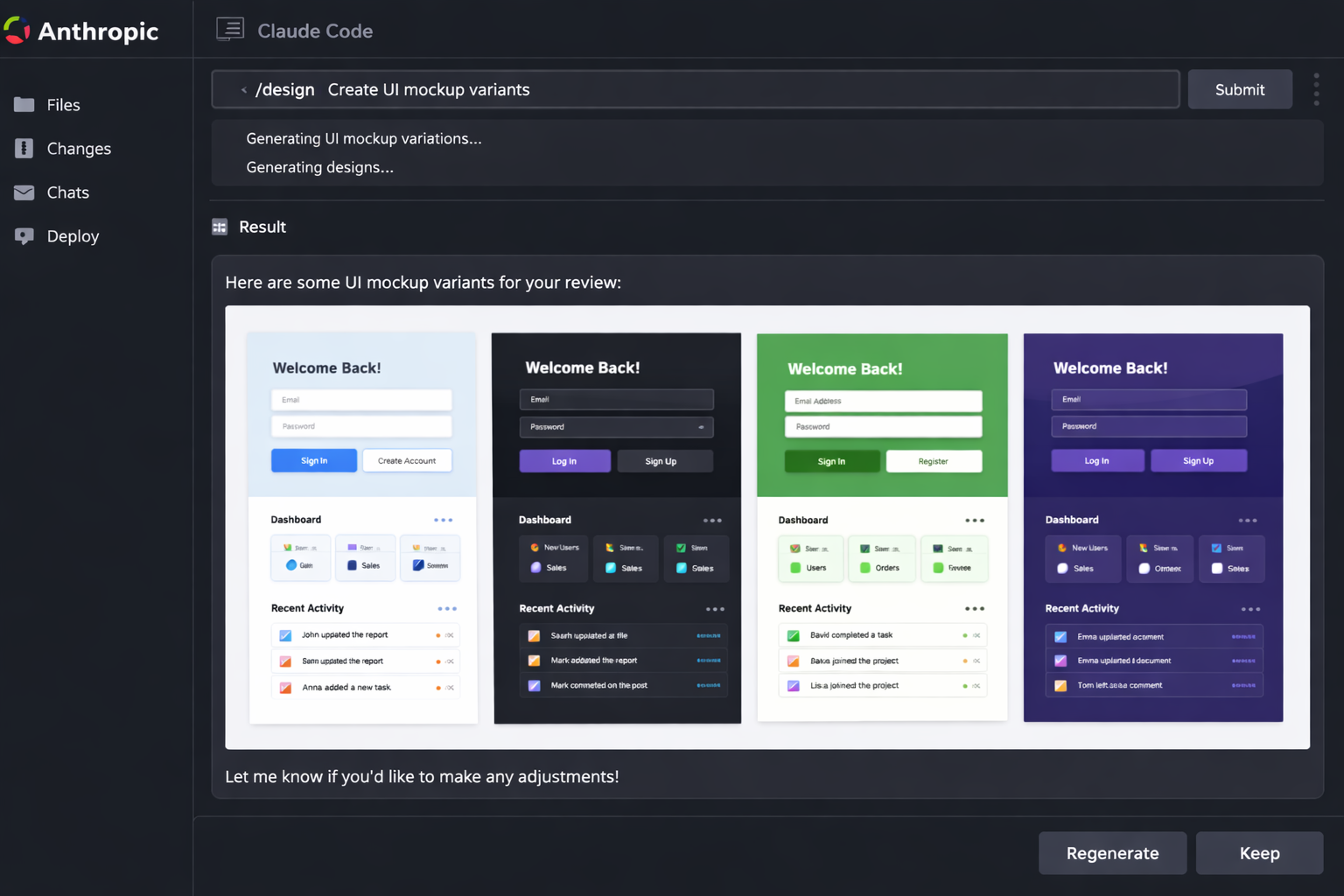
Instead of moving between a design tool, written specifications, and a coding environment, users can ask Claude to generate interface concepts, select an option, refine the layout, and instruct the model to implement the approved design. When you run /design and describe the screen you want, Claude does not hand you a code file right away but several graphic variants side by side, each one editable.
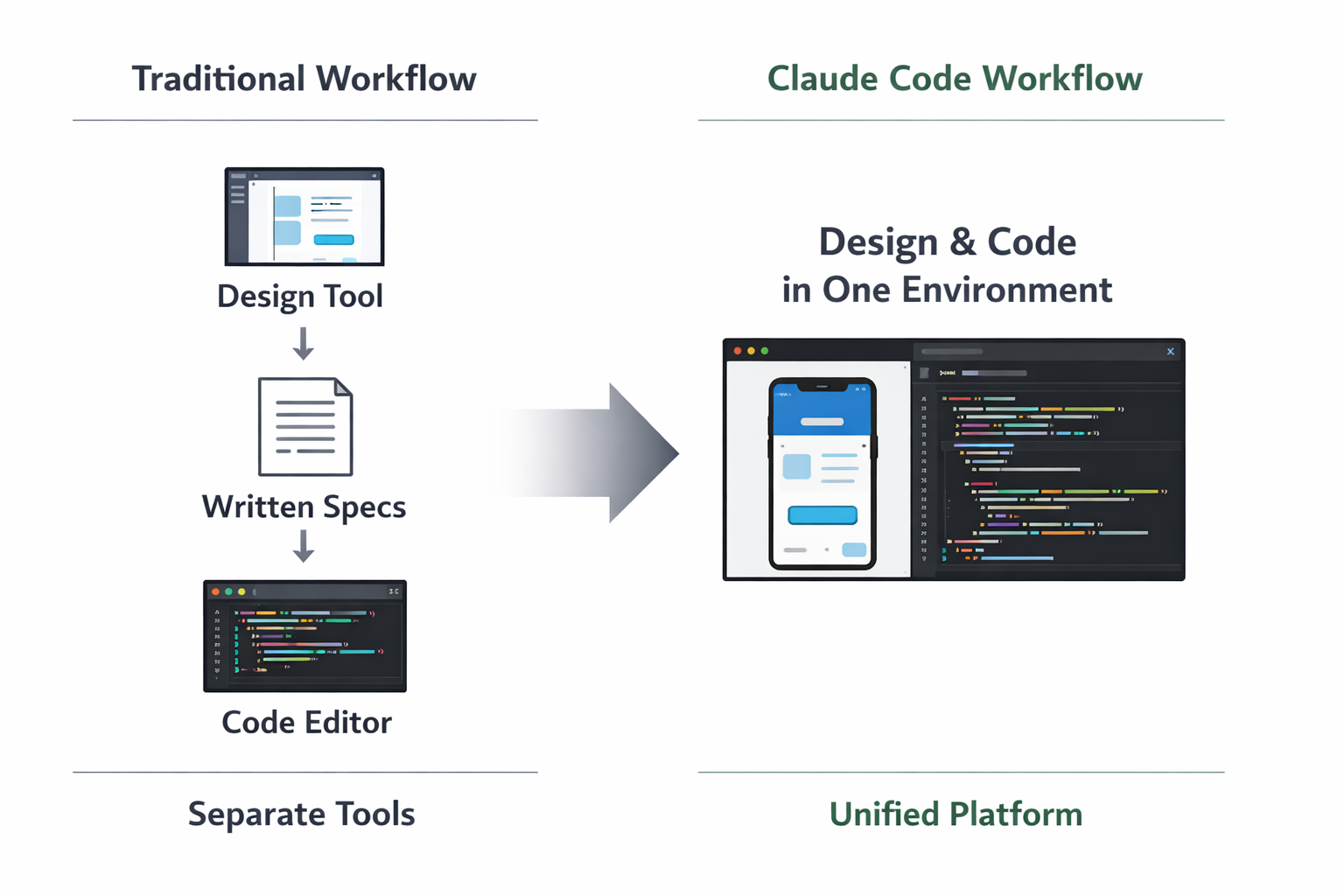
The workflow is built on Artifacts, its format for generating and editing interactive outputs, and developers can invoke the feature by entering /design, after which Claude can produce visual interface drafts for an application or feature request. You can change a color, move a block, widen a gap, and only when the draft convinces you do you ask Claude to turn it into real code for your project.
Bridging Design and Development
The new feature ships as a research preview (an early research build, not yet a stable release) and it brings into the command line and the desktop app the same artboard workflow of Claude Design, the Anthropic Labs product that launched in April 2026. An artboard is a working canvas, the same idea used by design tools like Figma to show a screen you can act on.
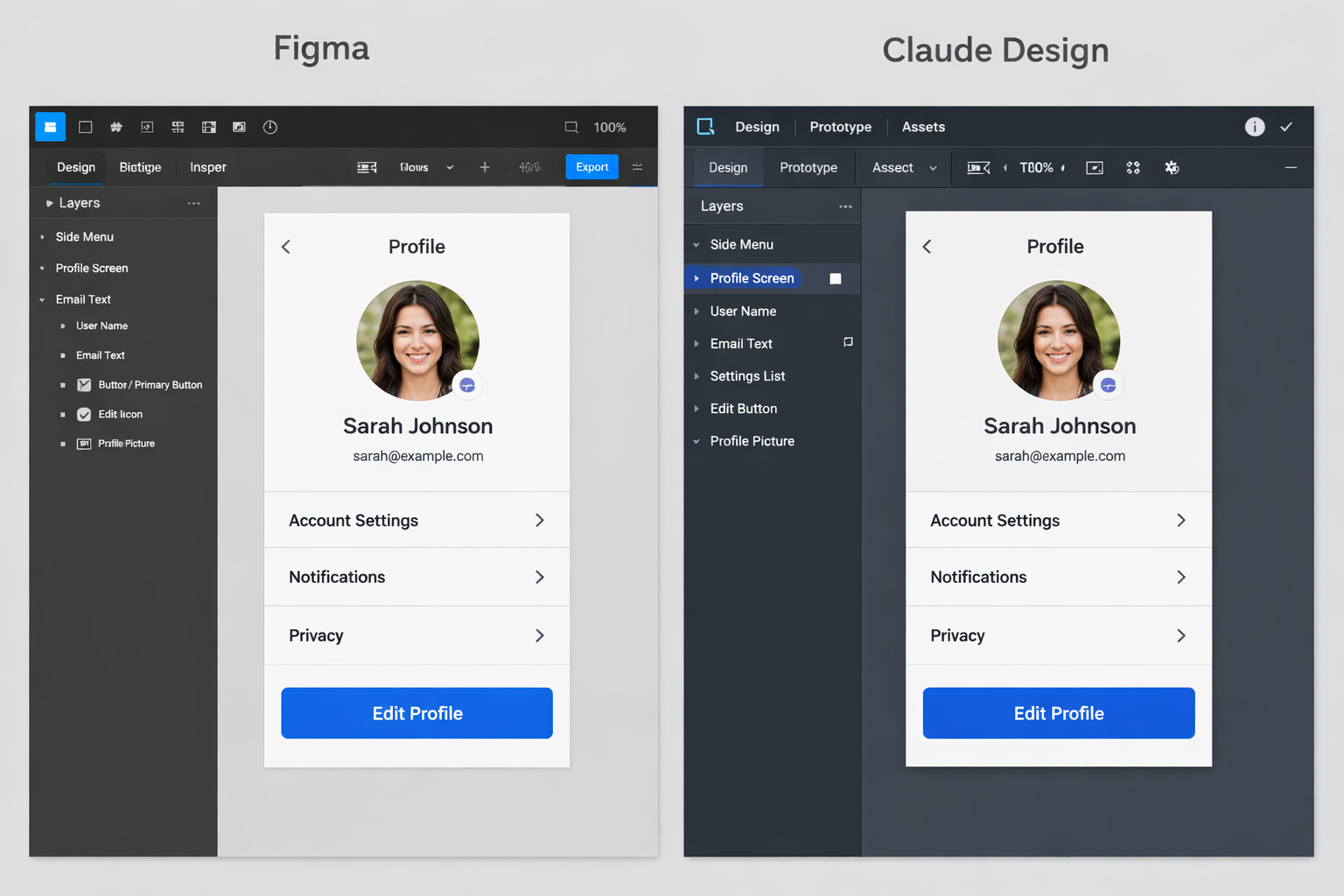
This workflow could reduce friction in early-stage product development, where design decisions often move through several tools and teams before implementation begins, as Claude Code can now serve as a bridge between natural-language product requirements, visual prototyping, and code generation.
AI-Powered Website Visibility Auditing
As developers gain access to more sophisticated design and coding tools, new use cases are emerging for Claude Code beyond traditional development workflows. One practical application involves auditing how websites appear in AI-powered search environments, particularly ChatGPT and Google AI Overviews, a practice known as GEO (Generative Engine Optimization).
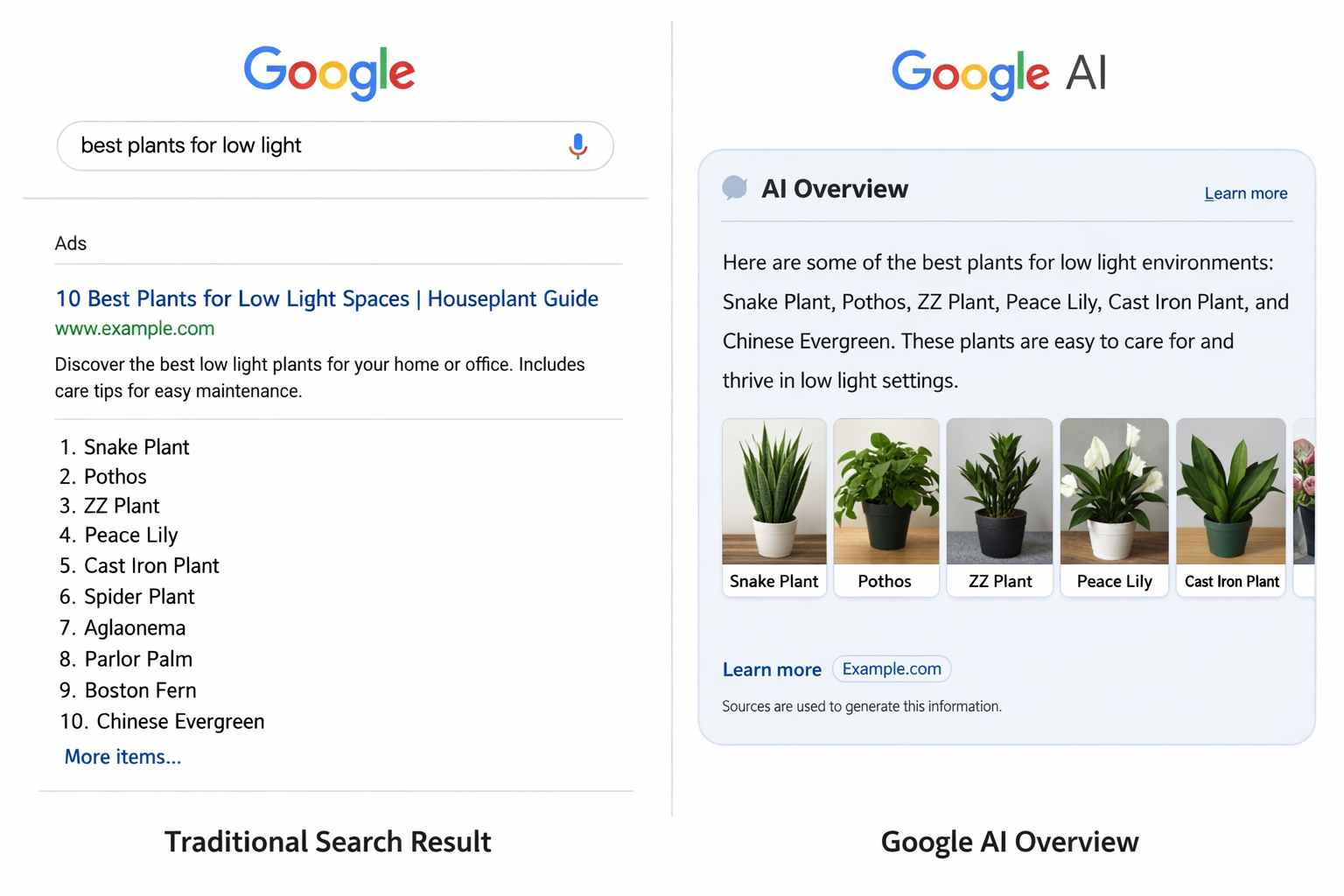
The workflow allows site owners to use Claude Code to check how their content is represented in AI-generated answers, identify gaps in visibility, implement fixes, and then rerun the audit to verify improvements. This represents a shift from traditional SEO practices to optimizing for how AI systems surface and summarize web content in response to user queries.
Broader Platform Updates
The /design skill launch is part of a broader expansion of Anthropic’s developer platform. The company has also made several Claude platform tools generally available, including Computer use, Skills API, Files API, and a new browser-use tool for agents inside web apps. These tools extend Claude’s ability to interact with external systems and automate complex workflows.
Skills in Claude Code are structured as file-system folders that contain a required SKILL.md file plus optional scripts and resources. Claude scans available skills at session start, loads only minimal metadata first, then loads more files only if the skill is relevant to the task, and that progressive disclosure keeps context small. Skills are composable, so Claude coordinates several of them on its own, and they run across the Claude app, Claude Code, and the API through the /v1/skills endpoint.
Design System Integration
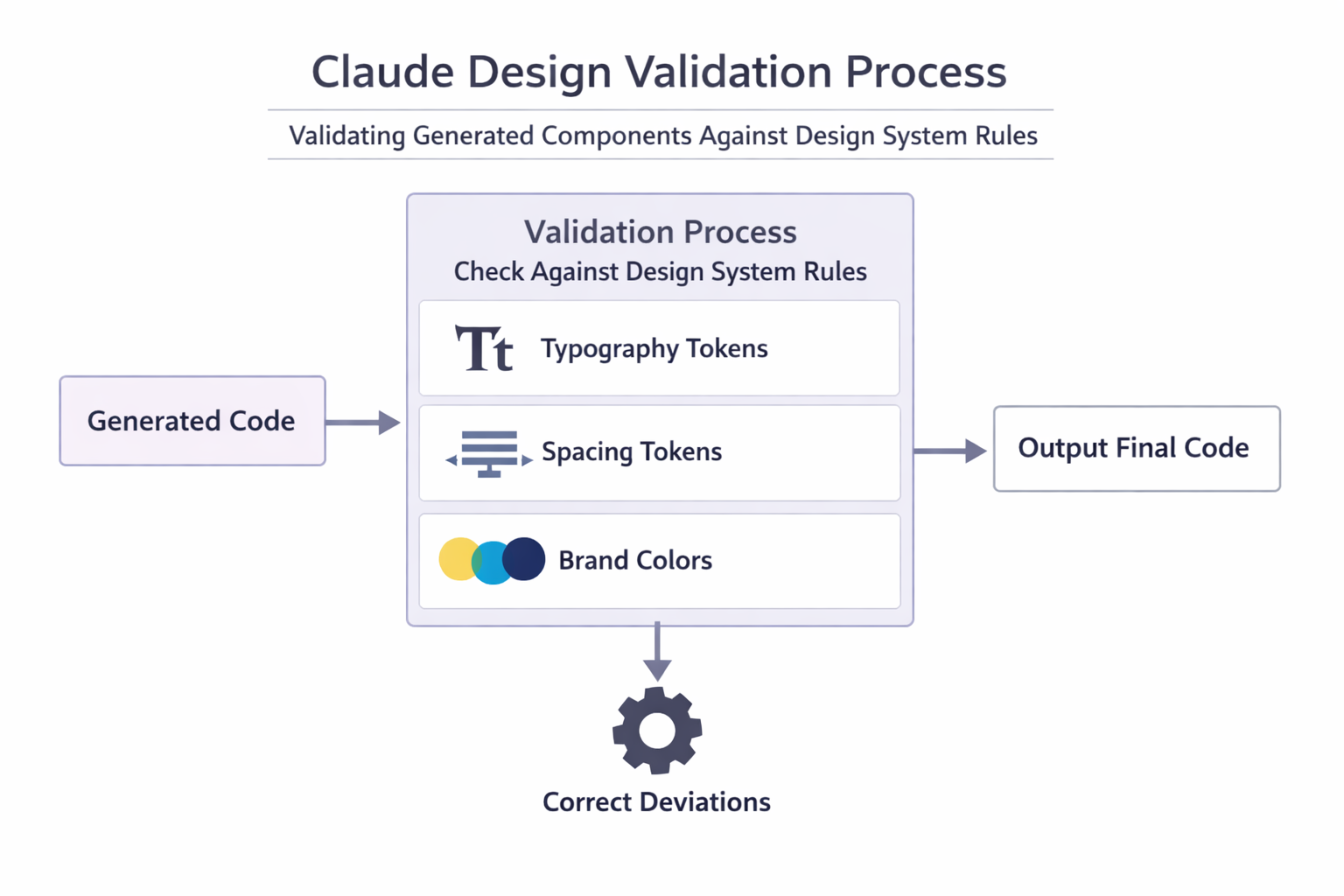
For teams working with established design systems, before it shows a component, Design checks the generated code against imported design-system rules (typography, spacing tokens, and brand colors) and corrects deviations in the background, similar to a review loop before output. However, early outputs tended toward a uniform Claude aesthetic (teal gradients, serif type, and stacked pills and cards) unless steered with custom tokens.
Availability, token cost, and design-system matching for /design are still changing during this research preview. Users are advised to confirm current behavior in their own Claude Code sessions before integrating the feature into production workflows.
Key Facts
- Anthropic introduced the /design skill for Claude Code on August 17, 2026.
- The feature brings Claude Design’s artboard-based experience to both the Claude Code CLI and desktop application.
- Users can run /design to receive several graphic variants side by side, each one editable.
- The feature currently ships as a research preview, not yet a stable release.
- Skills run across the Claude app, Claude Code, and the API through the /v1/skills endpoint.
Sources
- Anthropic Launches New /design Skill for Claude Code UI Workflows
- Claude Code Can Design Now: the /design Skill
- Audit Your Website’s AI Visibility With Claude Code
- Claude Design vs Webflow vs Framer