Anthropic Launches Claude Security Plugin in Beta

Anthropic has released a security-guidance plugin for Claude Code that automatically identifies and fixes vulnerabilities during coding sessions. The Claude Security plugin is now available in beta for all Claude Code users, marking a significant expansion of the company’s AI-powered developer security tools. The release builds on Anthropic’s broader Claude Code Security initiative, which launched as a limited research preview on February 20, 2026, before expanding to a public beta for Enterprise customers by late April 2026.
Real-Time Vulnerability Detection in the Development Workflow
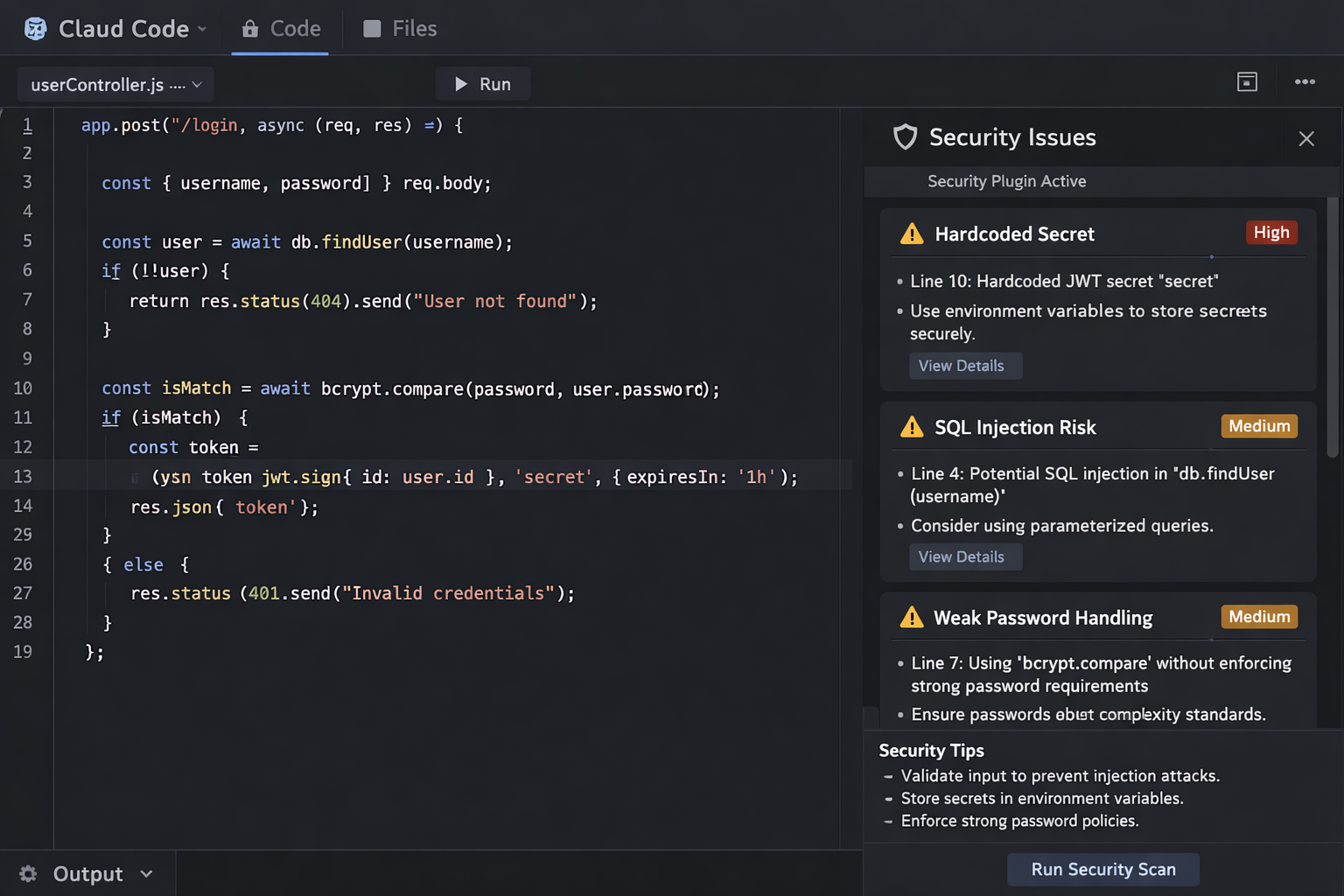
The security-guidance plugin reviews code changes for common vulnerabilities and helps Claude identify and fix issues during the same development session. The plugin is free for all users and available on all plans, representing Anthropic’s effort to integrate security directly into the AI-assisted development process.
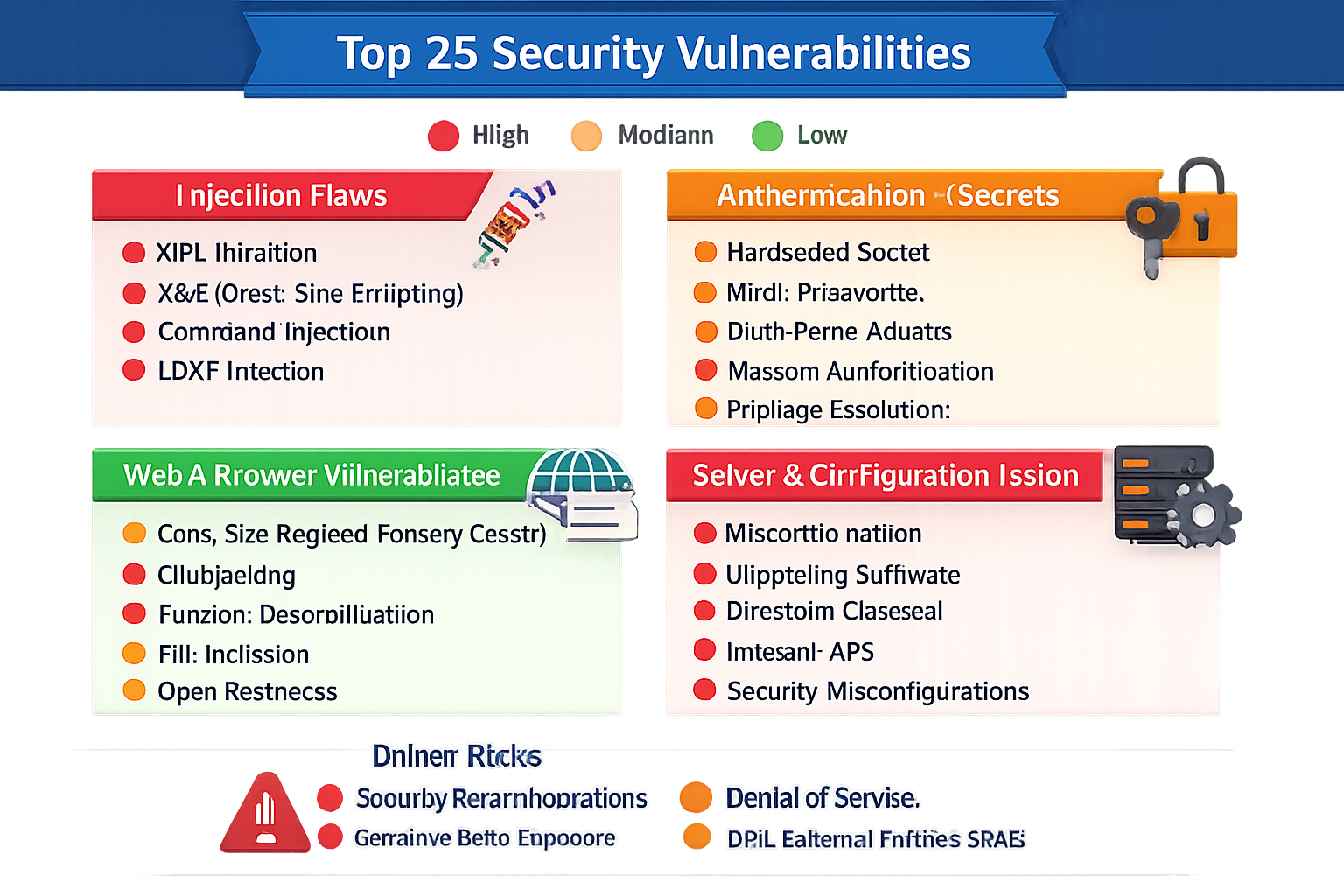
The plugin uses regex-based pattern matching to detect approximately 25 high-risk vulnerability classes. The company says the plugin is designed to catch issues such as injection flaws, unsafe deserialization, and insecure DOM APIs before code reaches pull requests. Additional vulnerability categories include SQL injection, command injection, cross-site scripting (XSS), hardcoded API keys and secrets, insecure deserialization, and improper input validation.
Three-Stage Security Review Process
The plugin operates through multiple review checkpoints integrated into the coding workflow. On every file edit, the plugin runs a fast, deterministic pattern match with no model call that flags dangerous constructs like eval(), new Function(), os.system(), child_process.exec(), pickle deserialization, and DOM injection vectors such as dangerouslySetInnerHTML and .innerHTML=. Because this layer requires no AI inference, it adds zero usage cost.
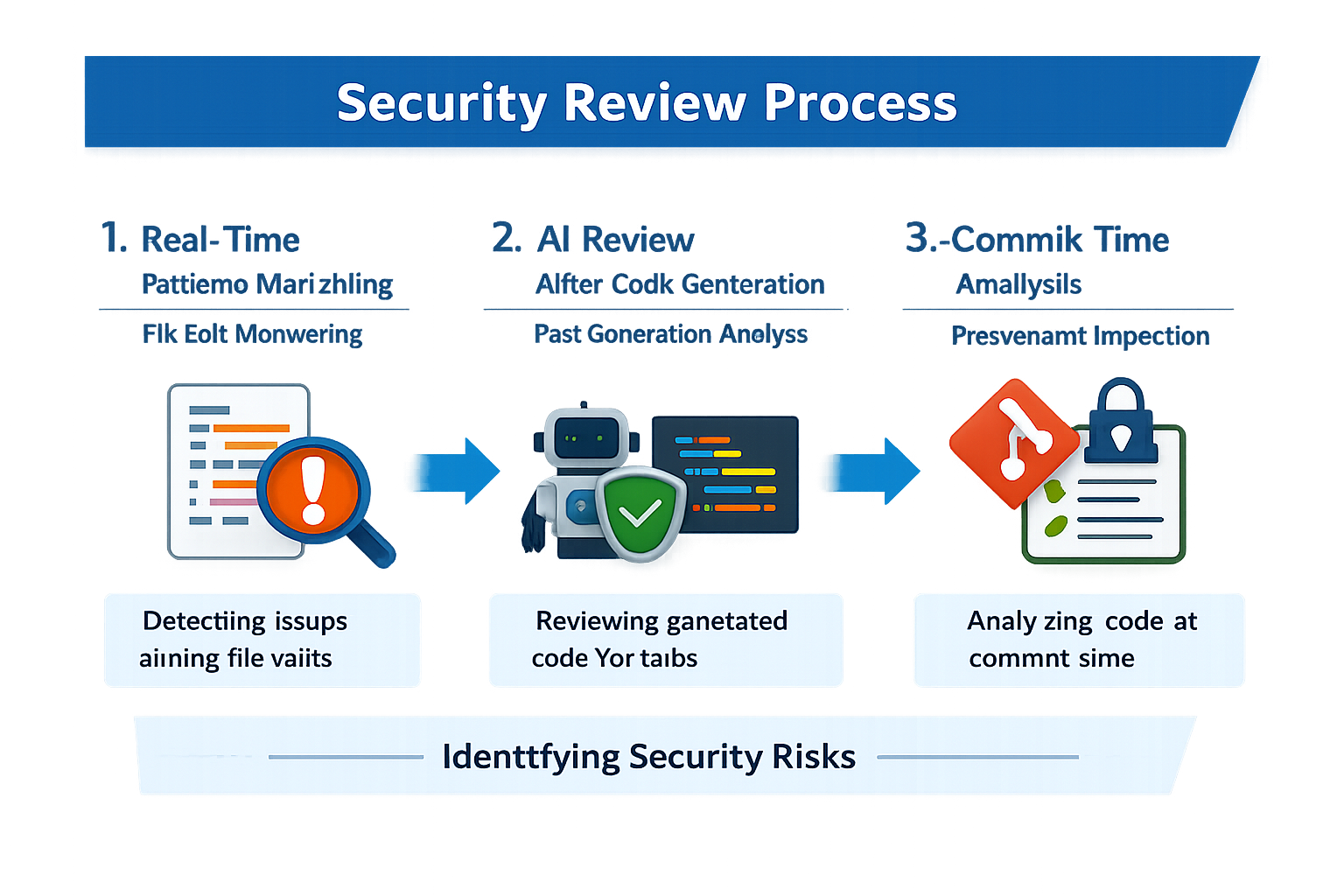
The plugin scans for vulnerabilities on file edits, after AI-generated changes, and at commit time, analyzing risky code patterns, reviewing full diffs, and examining surrounding context. Once installed, the plugin runs automatically during development sessions, without requiring developers to launch separate tools or remember additional commands.
The plugin is powered by Claude Opus 4.7 by default for both the end-of-turn and commit reviews, though developers can configure alternative models via the SECURITY_REVIEW_MODEL and SG_AGENTIC_MODEL environment variables.
Impact on Development Security
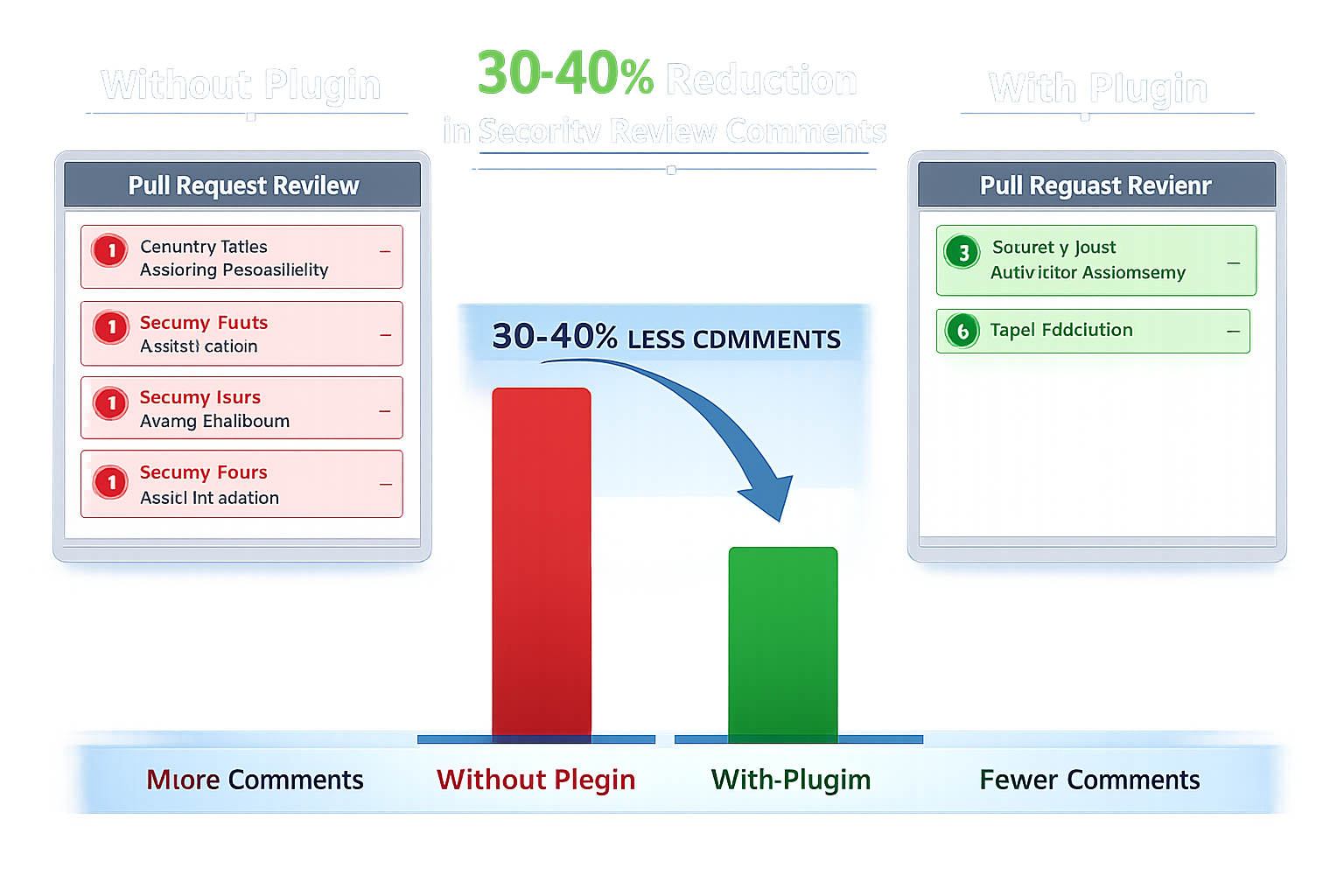
Internal testing showed the plugin cut security-related comments on pull requests by 30–40%, suggesting measurable efficiency gains in the code review process. The plugin functions as a complement to existing security infrastructure rather than a replacement. Anthropic’s broader Claude Security platform, which complements the plugin with a deeper AI-driven codebase scanning, traces data flows across files, runs adversarial verification passes on findings, and proposes targeted patches for human review.
Anthropic says the system has identified over 500 previously unknown high-severity issues in open-source codebases, validated through internal testing and competitions. Claude Security focuses on high-severity vulnerabilities including memory corruption, injection flaws, authentication bypasses, and complex logic errors that pattern-matching tools typically miss. It’s particularly effective at finding context-dependent vulnerabilities that require understanding code across multiple files.
Claude Managed Agents Sandbox Feature
Alongside the security plugin, Anthropic announced a new self-hosted sandbox capability for Claude Managed Agents. Claude Managed Agents can now operate in a user-controlled sandbox connected to the user’s private MPC servers. Tool execution moves to an environment you configure, your own infrastructure or a managed provider like Cloudflare, Daytona, Modal, or Vercel, while the agent loop that handles orchestration, context management, and error recovery stays on Anthropic’s infrastructure.
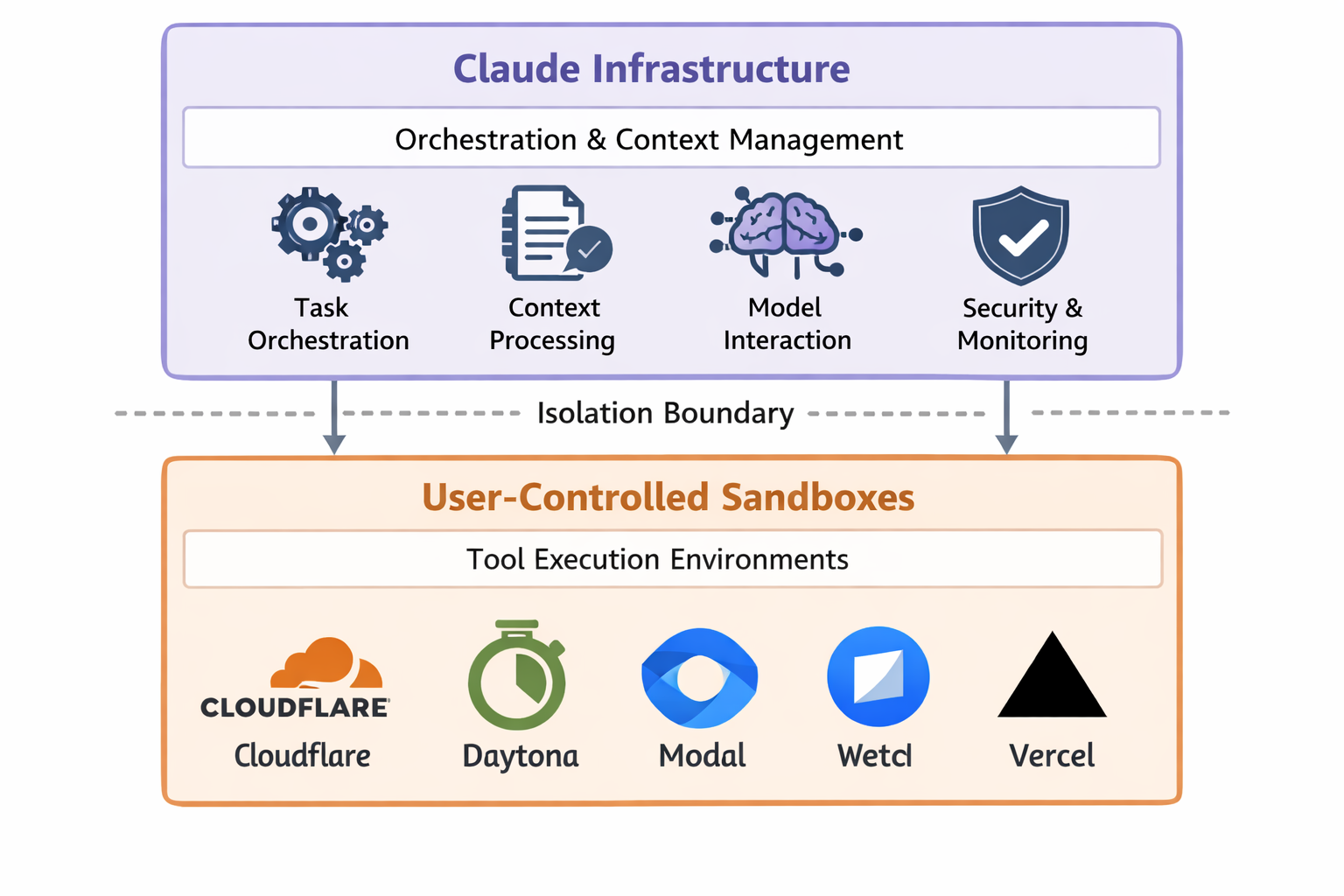
This architecture allows developers to maintain control over execution environments while leveraging Anthropic’s agent orchestration capabilities. The sandbox, currently in public beta, was announced at Anthorpic’s Code w/ Claude event in London this week.
Installation and Availability
The new security-guidance plugin is available to all Claude Code users and can be installed directly from the plugin marketplace using the /plugins command. Admins can enable Claude Security in the admin console. See the getting started guide for setup steps.
Claude can make mistakes, so you should always review proposed patches before applying them, especially for critical systems, Anthropic cautions in its documentation.
Key Facts
- The Claude Security plugin is now available in beta for all Claude Code users, free on all plans
- The plugin detects approximately 25 high-risk vulnerability classes using pattern matching and AI-powered analysis
- Internal testing showed a 30-40% reduction in security-related pull request comments
- Claude Code Security has identified over 500 previously unknown high-severity issues in open-source codebases
- Claude Managed Agents now support user-controlled sandboxes with private infrastructure integration
- The broader Claude Security initiative launched as a research preview on February 20, 2026, expanding to public beta for Enterprise customers by late April 2026
Sources
- AIニュース No.420 – YouTube
- Anthropic Claude Code Limits Doubled, SpaceX Deal
- Claude Code Updates – AIニュース
- Claude Reviews and Fixes Vulnerabilities – Help Net Security
Sources
- Claude Security | Claude by Anthropic
- Anthropic releases security-guidance plugin for Claude Code to catch vulnerabilities in real time
- Claude now reviews and fixes vulnerabilities as you write code – Help Net Security
- Anthropic Releases Free Security Plugin for Claude Code Terminal to Detect Vulnerabilities
- Anthropic Updates Claude Code With Security Plugin and Faster Performance
- Anthropic Releases New Claude Sandbox, Security Guidance Plugin – SecurityWeek