Anthropic Launches Claude Design, Shakes Web Design
 5 min read
The combination of Anthropic’s Claude AI and design tools is creating what some industry observers are calling a paradigm shift in web development. Anthropic launched Claude Design on April 17, 2026, a new Anthropic Labs product that lets users collaborate with Claude to create polished visual work like designs, prototypes, slides, one-pagers, and more. The announcement sparked immediate market reactions and widespread discussion about the future of AI-powered web design workflows.
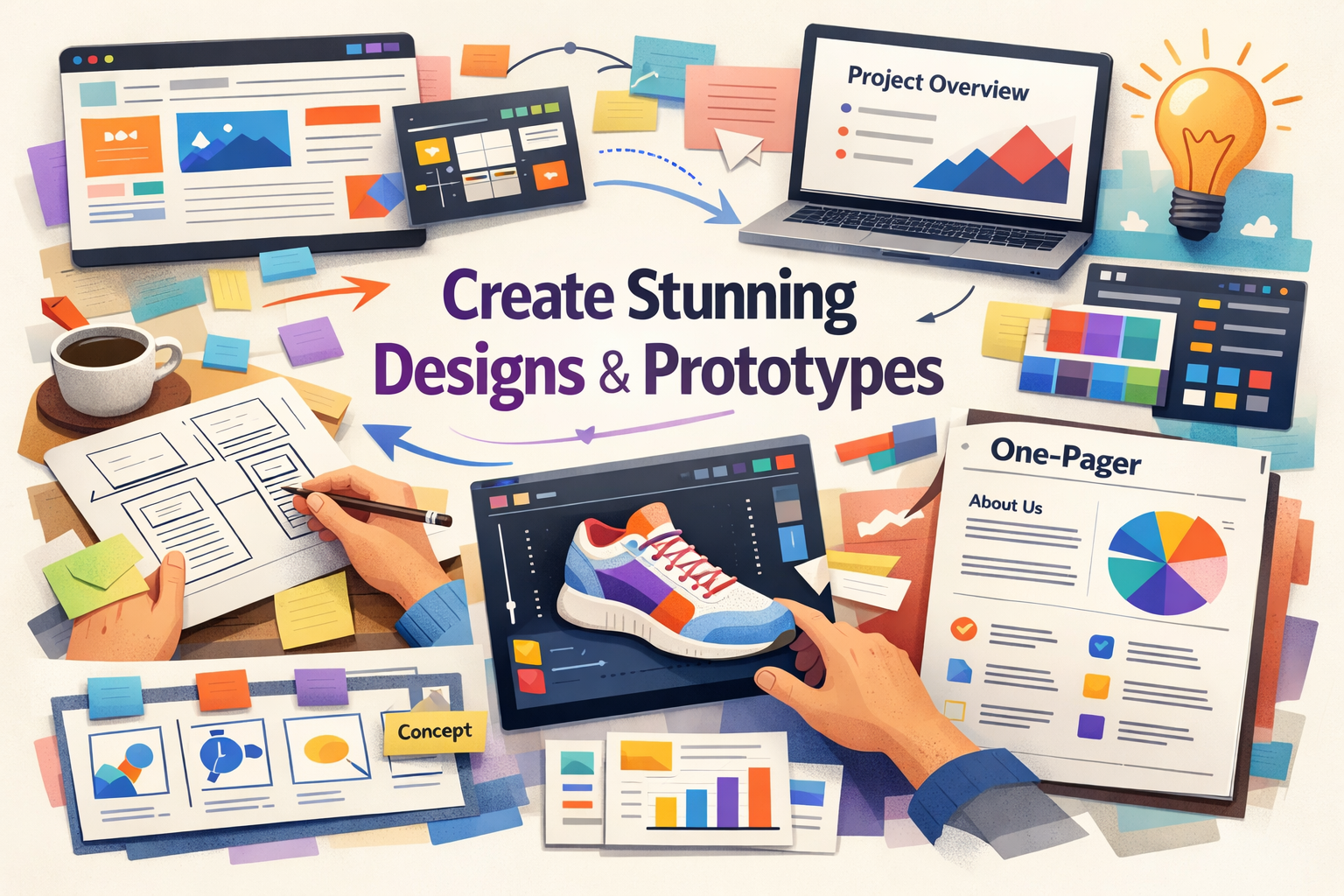
Claude Design is powered by Claude Opus 4.7, Anthropic’s most capable vision model, and is available in research preview for Claude Pro, Max, Team, and Enterprise subscribers. The timing of this launch is particularly significant, coming just one day after the release of Opus 4.7 itself, positioning Claude Design as the flagship consumer-facing showcase for the model’s enhanced capabilities.
Creating a Closed Design-to-Production Loop
What sets Claude Design apart from other AI design tools is its integration with the broader Claude ecosystem. According to technical documentation, Anthropic has created the only AI tool with a closed design-to-production loop that directly hands prototypes off to Claude Code as a machine-readable spec bundle. This eliminates traditional handoff friction where designers export JPEGs or share Figma URLs, instead allowing the same model family to build features from structured design tokens and layout hierarchies in a single conversation.
During onboarding, Claude builds a design system for teams by reading their codebase and design files, and every project after that uses their colors, typography, and components automatically. This codebase-aware approach represents a technical differentiator compared to competitors like Figma AI and Canva Magic Studio.
Market Impact and Industry Response
Figma’s stock dropped 7% within hours of a single tweet, which industry analysts described as not just a product launch but a market signal. However, Anthropic has positioned the tool as complementary rather than directly competitive. Native Canva export ships at launch, with Claude Design fronting exploration while Canva finishes the asset, reframing the narrative around collaboration rather than displacement.
Figma commands an estimated 80 to 90% market share in UI and UX design, and both Figma and Adobe assume a trained designer is in the loop, while Anthropic’s tool does not. The expansion of design capabilities to non-designers represents the real competitive dynamic at play.
Practical Applications and Use Cases
Claude Design targets a broad audience beyond professional designers. The tool gives designers room to explore widely and everyone else a way to produce visual work. Real-world implementations are already emerging, with developers documenting complete website rebuilds using the Claude ecosystem.
One particularly notable feature is the web capture tool. Users can use the web capture tool to grab elements directly from their website so prototypes look like the real product. This functionality significantly reduces the time required to recreate existing brand assets when prototyping new features or redesigns.
For WordPress users, new integrations enable even more streamlined workflows. Tutorials demonstrate that Claude AI can now generate real, editable Elementor sections using actual WordPress elements, allowing users to create full websites with text, images, and layouts directly inside Elementor through simple prompts.
Technical Capabilities and Workflow
Users can start from a text prompt, upload images and documents (DOCX, PPTX, XLSX), or point Claude at their codebase. The refinement process combines multiple interaction methods: chat-based conversation, inline comments on specific elements, direct text editing, and custom adjustment sliders that Claude generates for real-time tweaking of spacing, color, and layout.
When a project is ready to build, the Export menu has a handoff to Claude Code, and Anthropic says Claude packages the design intent into a bundle that the receiving agent picks up with a single instruction. This creates a seamless progression from idea to prototype to production code.
Claude Code itself functions as more than a code suggestion tool. According to technical analysis, it operates as an autonomous agent living directly inside machines via a CLI, acting as an interconnected automation ecosystem that writes code based on actual project contexts and patterns rather than simply suggesting the next line.
Open-Source Alternatives Emerging
The launch of Claude Design has also sparked open-source innovation. The GitHub project “Open Design” by nexu-io offers a local-first alternative that supports native desktop apps and web/mobile prototypes. This project is driven by 137 composable skills and integrates with 16 coding-agent CLIs, including Claude Code, positioning itself as an open alternative to Anthropic’s proprietary tool.
Key Facts
- Claude Design launched April 17, 2026 as an Anthropic Labs research preview product
- The tool is powered by Claude Opus 4.7 and available for Claude Pro, Max, Team, and Enterprise subscribers
- Figma’s stock dropped 7% within hours of the Claude Design announcement
- Claude builds custom design systems during onboarding by reading team codebases and design files
- Native Canva export is included at launch, positioning the tools as collaborative rather than competitive
- Figma holds an estimated 80-90% market share in UI/UX design
Future Implications
Over the coming weeks, Anthropic will make it easier to build integrations with Claude Design so teams can connect it to more tools they already use. This extensibility suggests Anthropic is building an ecosystem rather than a standalone product, with the design-to-code workflow serving as the foundation for broader creative and development capabilities.
The convergence of AI-powered design and autonomous coding agents represents a fundamental shift in how digital products are created. While professional designers and developers will continue to play essential roles in strategy, accessibility, performance optimization, and complex implementations, the barrier to entry for creating functional prototypes and websites has dropped significantly. The tools now enable rapid iteration and exploration that was previously constrained by time and resource limitations.
Sources
- Introducing Claude Design by Anthropic Labs – Anthropic
- Claude Design to Claude Code: AI Design Handoff
- Anthropic just launched Claude Design – VentureBeat
- What Is Claude Design? Anthropic’s AI Design Tool Explained – DataCamp