Everything You Need to Know About Electrical Panel Upgrades
Apr 27, 2026
What Is an Electrical Panel?
An electrical panel, also called a breaker box, load center, or service panel, is a metal box typically mounted on an interior wall of your home. It receives electricity from your utility provider and divides it into individual circuits, each protected by a circuit breaker. When a circuit draws too much power, the breaker trips automatically, cutting power to prevent overheating and fire. Most modern homes are equipped with panels rated at 100 to 200 amps, while older homes may still have outdated 60-amp panels — a capacity that simply cannot meet the demands of today’s energy-hungry households.Signs You Need an Electrical Panel Upgrade
Knowing when to upgrade your panel is crucial. Here are the most common warning signs:- Frequent tripped breakers: If your breakers trip regularly, your panel is struggling to keep up with your home’s electrical load.
- Flickering or dimming lights: This often indicates that circuits are overloaded or that the panel cannot supply consistent power.
- Burning smell or scorch marks: A burning odor near your breaker box is a serious red flag and requires immediate attention from a licensed electrician.
- Outdated fuse box: Fuse boxes are a relic of older electrical systems and lack the safety features and capacity of modern breaker panels.
- Adding major appliances: New HVAC systems, EV chargers, hot tubs, or home additions often require more amperage than your current panel can deliver.
- Insurance or code issues: Some insurers refuse to cover homes with outdated panels, and local building codes may require upgrades during renovations.
Types of Electrical Panel Upgrades
Not all panel upgrades are the same. The right solution depends on your home’s age, size, and electrical demands. Service Panel Replacement — The most complete upgrade, replacing your entire existing panel with a new, higher-capacity unit. Ideal when your panel is outdated, damaged, or no longer meets your needs. Subpanel Installation — Branches off your main panel and can be installed in a garage, workshop, or addition to serve a specific area without replacing the main box. Amperage Upgrade — If your panel is in good condition but needs more capacity, upgrading from 100 to 200 amps (or even 400 amps for larger properties) may be all that’s required. Breaker Replacement — Sometimes individual breakers need to be swapped out for AFCI (Arc Fault Circuit Interrupter) or GFCI (Ground Fault Circuit Interrupter) breakers to meet modern safety codes.What to Expect During the Upgrade Process
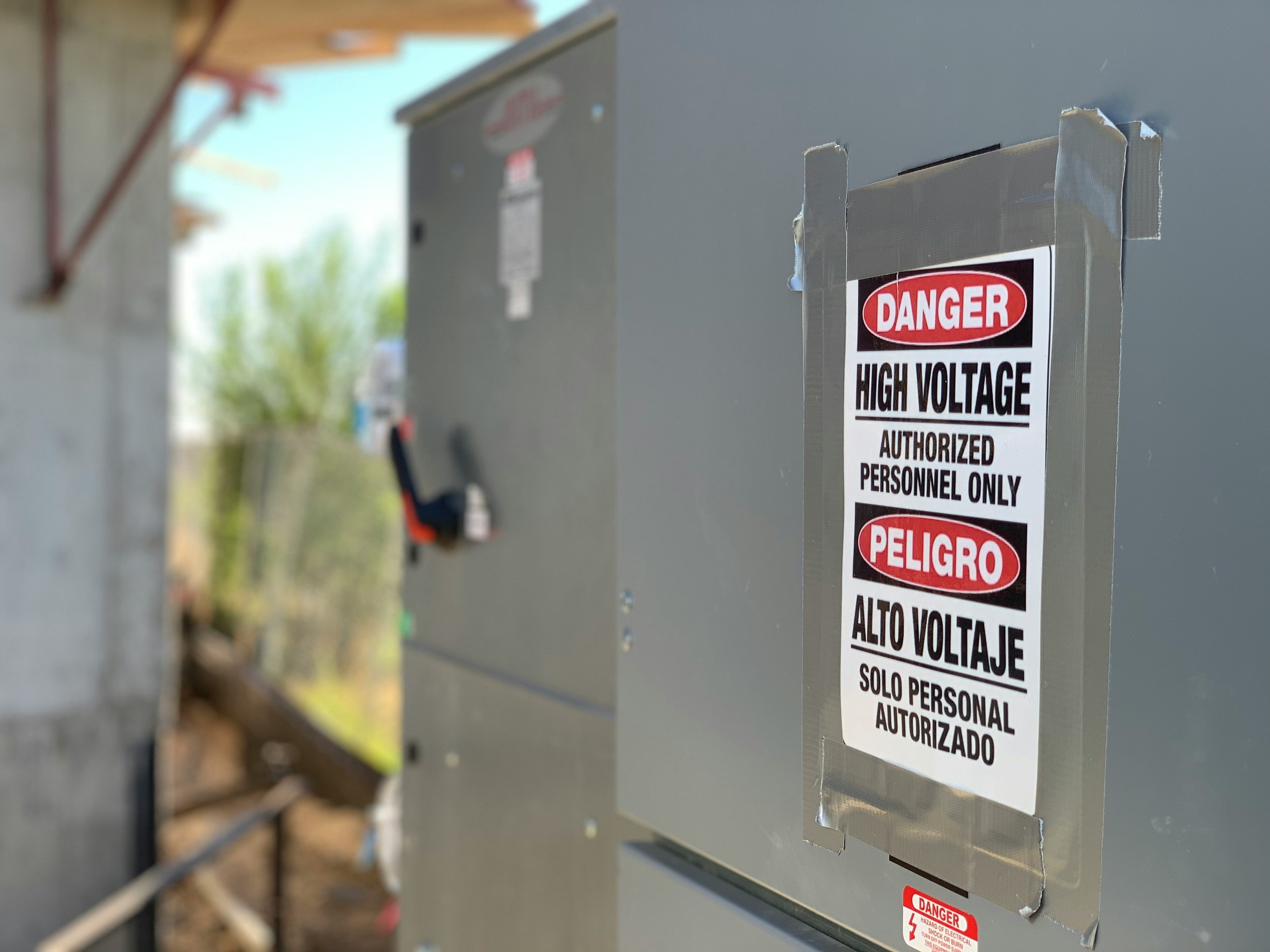
An electrical panel upgrade is not a DIY project. It involves working with high-voltage electricity and must comply with local building codes and National Electrical Code (NEC) standards. Here’s what the professional process typically looks like:- 1. Assessment and quote: A licensed electrician inspects your current system, assesses your home’s electrical needs, and provides a detailed estimate.
- 2. Permit filing: Most jurisdictions require a permit before work begins. Your electrician typically handles this on your behalf.
- 3. Utility coordination: The power company may need to temporarily shut off power to your home during the upgrade.
- 4. Installation: The old panel is removed and replaced with the new unit. Circuits are reconnected and clearly labeled.
- 5. Inspection: A local inspector reviews the work to ensure it meets all code requirements before signing off.
How Much Does an Electrical Panel Upgrade Cost?
Costs vary depending on your location, the scope of the upgrade, and the electrician you hire. On average, homeowners can expect to pay between $1,500 and $4,000 for a full panel replacement, with higher-amperage upgrades or older homes with outdated wiring potentially pushing costs higher. While this may seem like a significant investment, the alternative — electrical fires, failed insurance claims, or a home that can’t support modern appliances — is far more costly.Why Location Matters: Choosing a Local Expert
Electrical codes and permit requirements vary by municipality, which is why hiring a locally licensed electrician matters. A contractor familiar with your area’s regulations will ensure the job is done correctly, legally, and safely. For homeowners in the Music City area, working with a trusted local professional for electrical panel upgrades in Nashville ensures your project meets Tennessee’s specific electrical codes and is inspected to local standards — giving you complete peace of mind that your home’s power system is safe and fully up to date.Safety and Long-Term Benefits
The most important reason to upgrade your electrical panel is safety. Outdated or overloaded panels are a leading cause of residential electrical fires. A modern panel with properly rated breakers significantly reduces this risk. Beyond safety, an upgraded panel also:- Increases your home’s resale value and appeal to buyers
- Makes it easier to add solar panels, EV chargers, or home automation systems
- Eliminates nuisance tripping and power fluctuations
- Allows you to obtain proper permits for future home improvement projects