6 Factors to Know if You Need to Hire a Scissor Lift
 5 min read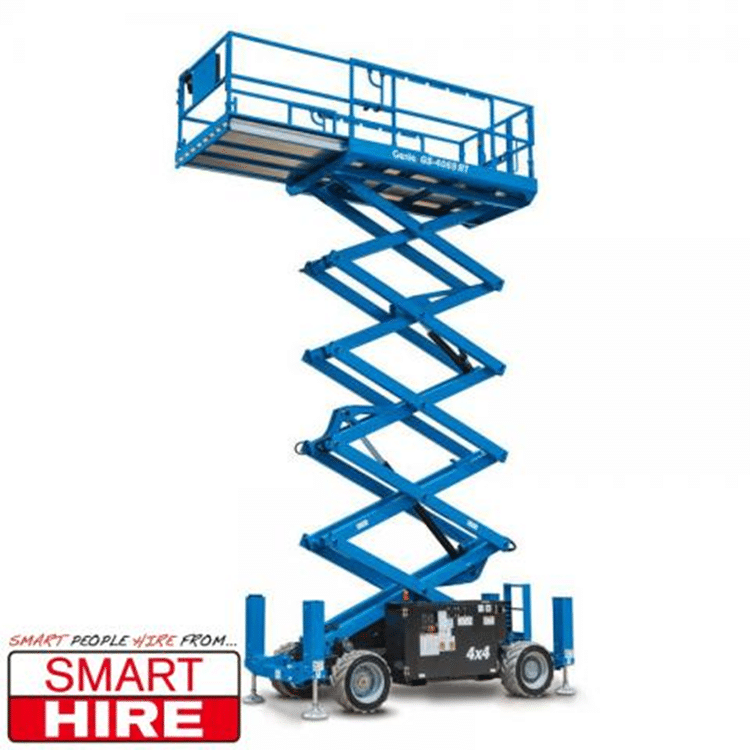
Working at heights can be challenging and dangerous, especially if you don’t have the right equipment or your team is attempting to do it manually. Avoid breaching any safety policies by always opting for the right equipment and machinery.
One of the keys ways to do this is to opt for the scissor lift hire Melbourne companies rely on for all their equipment needs. Leasing machinery is an effective way to use the equipment you need, when you need it, without the enormous expense associated with machinery purchase.
Scissor Lifts Can Make Difficult Jobs Much Easier.
If you’ve taken on a job that requires work to be done in a higher-than-regulated space, you may be looking into hiring a scissor lift. If you’re hiring this type of machinery for the first time, or you’re not sure what exactly hiring or using a scissor lift entails, then this post is a must-read. We’ve compiled a list of the top factors to know about scissor lift hire.
1. Know What a Scissor Lift Is
Scissor lifts are motorised vehicles that have crisscrossing metal supports that hold up a railed platform. The crisscrossing supports raise the platform upward to the space where your team needs to work. This unique crisscrossing mechanism is what separates this machine from other similar machines and gives this piece of equipment it’s name.
As with other types of machinery and equipment, scissor lifts vary in size and capacity. Smaller models can easily fit in a four-foot-wide space and are typically used in warehouses and indoor industries.
Larger models can be used outside, and the railed platform enables workers and their tools to reach high space safely. Scissor lifts eliminate the need for long ladders or scaffolding which can be unsafe and time consuming.
2. Look Forward to a High Reach
A huge plus to using a scissor lift is the heights that can be achieved. Some scissor lifts can reach a maximum height ranging between 10 and 60 feet (16 meters). Warehouses and construction companies typically require models that can facilitate lifts between 6m and 8m.
3. Workers Will Need Safety Equipment
With a railed platform and no climbing needed, you may be wondering if it’s necessary to wear safety gear. Keep in mind that Australian legislation dictates that anyone working at heights above 1.8m (6ft) should wear fall protection. This usually includes the following:
- Safety harness
- Fall arrestor
- Inertia reel
- Safety clips
Speak to your hiring company about the specific gear required for the specific model and work that needs to be done. In many instances, gear can also be rented.
4. Operators Should be Certified
Whether you’re planning to use the scissor lift for a two-hour task or a week-long job, WorkSafe requires that larger machines outside of the 10m category can only be operated by a licensed operator.
This is because any work done 11m above the ground is deemed as high-risk and requires a licence for elevated work platforms (EWPS). Operators will have to undergo training and become certified.
5. You Will Need a Spotter
Another key requirement to be aware of when you use a scissor lift is the use of a designated spotter that works alongside the machine. This should be a person who watches the area around the space where the scissor lift is being used.
The goal is to keep people away from the area and ensure there is no emergency. If there’s an emergency, the spotter is required to activate the lower mechanism. With this in mind, a spotter is required to be trained and certified to operate the scissor lift if it becomes necessary.
6. The Hiring Process Simplified
Being able to hire the machinery and equipment you need makes it considerably easier for smaller companies to bid on any available job. You no longer need a fleet of vehicles to qualify for the jobs that bigger companies are landing.
There are several advantages to hiring the machinery you need. The most significant of these include the following:
- Renting gives you access to the latest technologies, allowing you to take advantage of the best features for each specific job.
- Repairs, maintenance, and service costs are covered by the rental company. If a machine breaks while you’re using it, the rental company will give you another unit to finish your job. There’s no downtime.
- You won’t have to rent storage or security for the machine, as it goes back to the rental agency at the end of the day.
- Rental fees are charged for the period you use the scissor lift, which means you won’t have a machine standing in storage.
Final Thoughts
Whether your team is installing streetlights or checking inventory on the top shelf of your warehouse, they no longer have to rely on scaffolds, ladders, and other manual processes to get the job done. Speak to your local hiring agent for the best scissor lift model for the job you need done. Take advantage of the hiring process to make scissor lift use as affordable as possible!