3 Factors to Know When Using a Load Binder for the First Time
 5 min read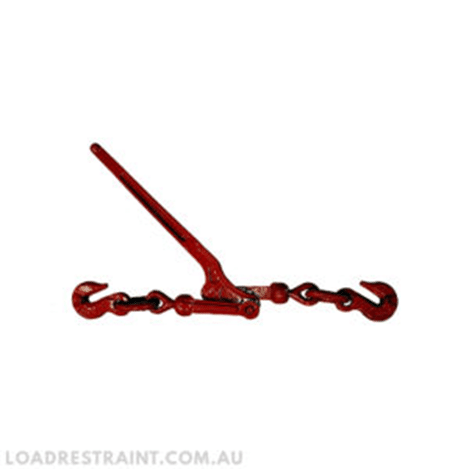
Do you have a large load to move? If so, you may be looking for the best method to secure your cargo. Fortunately, there is a wide variety of options available.
In many instances, experts may recommend using an equal number of quality tie down straps, while heavier loads may require the use of chains. If this is the option you’re leaning towards, you may already be wondering how you’re going to secure the chains over and around your cargo. Using chains means it’s time to invest in load binders.
Defining Load Binders
Also referred to as chain binders, load binders are tensioning devices that are usually used together with chains to secure heavy cargo. Simply put, load binders are the ratchet equivalent that you’d find on a tie-down strap.
Load binders are usually designed using forged steel to make them incredibly strong and durable. They also boast grab hooks and a range of different fittings on each end, which hook or latch onto the chains. The fitting you choose will depend on the type of cargo you’re hauling.
Since load binders are available in various styles, sizes, and load capacities, it makes finding the right option is super easy. Load binders are typically used to secure heavy loads such as heavy machinery where a ratchet strap may not be strong enough.
A Nifty Little Device Worth Investing In
When you first look at a load binder, you may be left wondering if this small device can secure a heavy load. Fortunately, their small size doesn’t determine how robust they truly are. We’ve compiled a few factors that are worth knowing when you’re considering using load binders for the first time.
1. Two Popular Types to Choose From
As with most load restraint gadgets, you will have some variety in the types of load binders to choose from. The most common choices include the following:
- Lever load binder: These are the simplest load binders to use when you’re getting ready to unload your cargo. However, it’s crucial to point out that there is some caution to note here. Tension builds up in the binder as it’s secured, and the user must expect this when releasing the binder. They also require more pulling force to release and extra tension to tighten. Experts suggest that this may not be the best choice for beginners.
- Ratchet load binder: Since this type of load binder uses a ratcheting mechanism, there’s very little tension build-up, making this a safer option. These binders boast two tension hooks known as a cam and a handle. A strong prawl mechanism creates a smooth ratcheting move to easily secure thin or thick chains. Using a handle creates minimal pulling force, making it easy to secure and loosen.
2. Always Opt for Safe Procedures
As we’ve already mentioned, load binders aren’t the biggest load restraint gadgets you’ll encounter. However, that doesn’t mean that you should use them without the utmost safety measures in mind.
When you’re getting ready to use a load binder for the first time, keep these easy tips in mind:
- Liase with your load restraint agent or supplier for the right binder for your cargo and chain type.
- One user should operate the load binder at any specific time.
- Don’t climb on top of the cargo to try and get a better reach.
- Never lean over the binder when securing or loosening it, as this can lead to injury.
- Don’t rush the process. Adopt a steady pace as you work with the binder.
- Experts recommend wearing gloves to give you a better grip on the chain and binder. You will also reduce the risk of injury.
3. Easy Steps to Use Your Load Binder for the First Time
If you’re using a load binder for the first time, here are a few tips well worth following:
- Open the load binder: Open the load binder to its full extension. Hook the chain to the tension hooks on the load binder.
- Set the hook & anchor points: Hook one end near the cargo that needs securing. The other end hooks to the end of the same chain, but on the anchor point. Pull the chain as tightly as possible.
- Tighten the chain: To tighten the chain, pull the lever down and adjust as much as needed to secure the cargo. Tug at the chain to make sure it’s not loose.
- Check Attachments: If the chain is still loose after you have tightened it, reposition the binder attachment and attempt the process again. Loosen a link or two at the attachment point and check if this is effective.
- Wrap: Once the links have been secured, it’s crucial to wrap up and secure all the excess chain. Ensure that there aren’t any loose chains, as this will bump into the cargo during transportation.
Final Thought
Moving large cargo doesn’t have to turn into a nightmare. Opting for the right type of load binder will ensure that your cargo is safely secured for both long and short periods. Speak to your local load restraint specialist to help you choose the perfect option for your next move!