Office Design Trends You Should Avoid at Your Business
When crafting your workspace, it’s easy to get caught up in the latest trends. After all, everyone wants an office that looks modern and appealing. However, some popular styles can do more harm than good if you take them too far. To truly support your team’s productivity, collaboration, and comfort, consider these three office design trends you should avoid at your business.
Modernity Without Character
There’s nothing wrong with designing a modern office—in fact, the style can do wonders for employee productivity. However, though sleek, minimalist offices with stark white walls, glass partitions, and neutral tones may appear trendy, they often lack character. A workspace without personality fails to inspire creativity or make employees feel connected to their environment.
Your office should reflect your company culture and values, using thoughtful design elements to bring that narrative to life. For example, consider incorporating artwork, natural textures, and bold accents into the space.
The takeaway: A modern aesthetic is great, but pair it with character to make it memorable and energizing.
Open Layouts Without Any Privacy
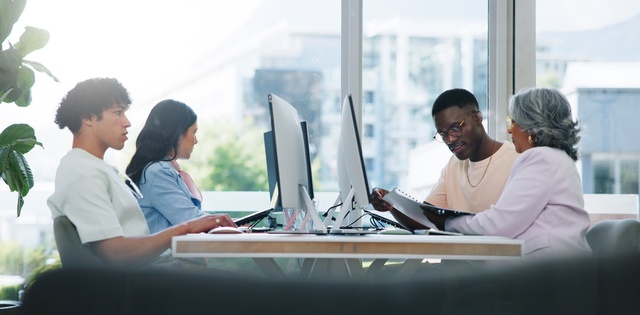
Open floor plans continue to dominate office designs, but they aren’t always ideal. While they promote collaboration, they can also lead to noise, distraction, and a lack of personal space. You should know that office design directly impacts employee productivity, and employees need zones to retreat to when they must focus or handle sensitive matters. If you’re using an open layout, balance it with privacy options, such as soundproof booths, quiet rooms, or strategic partitions.
The takeaway: Creating a variety of workspaces allows team members to choose the setting that best suits their needs, boosting both productivity and job satisfaction.
Fun Over Function
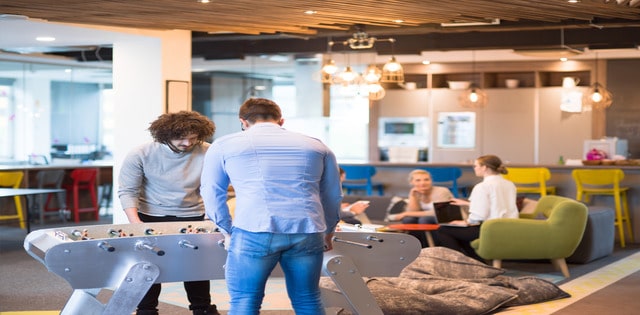
Ping-pong tables, nap pods, beanbag chairs, and other fun, quirky features may seem like cool additions to your office, but they aren’t always practical. A workplace should prioritize the tools and resources employees need to succeed. Fun elements that don’t align with your company’s workflow can become distractions rather than perks.
That doesn’t mean you can’t offer enjoyable features for your team; just make sure they serve a real purpose. For instance, instead of a slide, invest in ergonomic chairs, quality lighting, or flexible workstations that improve day-to-day tasks. You can also install a few elements just for leisure, such as game tables, but keep these in a dedicated break room to avoid disrupting working employees.
The takeaway: Fun perks are awesome to have, but limit their use and restrict them to an area dedicated to leisure.
The goal of office design should be to create an engaging, balanced space that supports your team and aligns with your brand. By avoiding these office design trends at your business, you can prioritize the long-term success and satisfaction of your employees.