A Guide to Digital Payment Technologies: 9 Things You Need to Know
With online shopping, contactless payments, and mobile wallets becoming more popular, it’s important to keep up with the latest in digital payments. Today, people want faster, safer, and easier ways to buy things. But with so many choices, it can be confusing to figure out the best options.
That’s why we’re here. In this post, we’ll cover everything you need to know about digital payment technologies. Get ready to say goodbye to long checkout lines and heavy wallets, and hello to easier transactions.
Let’s get started!
1. The Rise of Contactless Payments
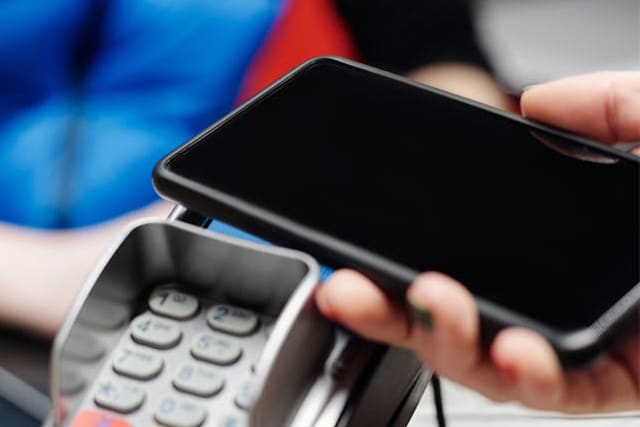
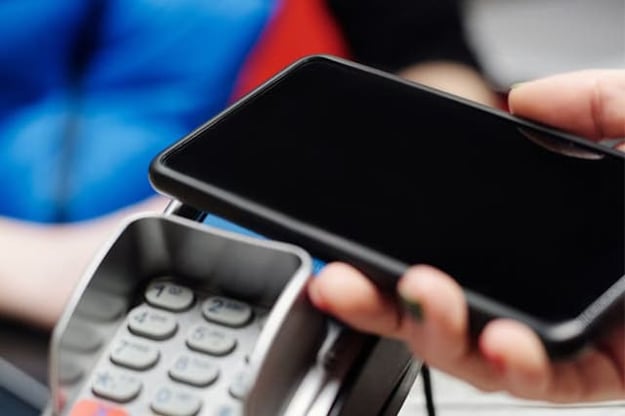
Contactless payments are becoming increasingly popular, especially post-pandemic. By leveraging Near Field Communication (NFC) technology, consumers can make payments by simply tapping their cards or mobile devices on a compatible reader. This convenience appeals to users looking for quick transactions without sacrificing security.
2. E-Wallets
Digital payment technologies have revolutionized the way we make transactions and conduct our financial activities. One of the most popular and convenient methods of payment is through e-wallets.
E-wallets, such as PayPal and Venmo, have revolutionized how people manage their money. These digital wallets allow users to do the following via a smartphone or computer:
- Store
- Send
- Receive funds
They can also make purchases with just a few clicks on their phones or computers. One of the key things to know about e-wallets is the following:
- Security
- Convenience
With advanced encryption technology and fingerprint recognition, e-wallets provide a safe and quick way to make transactions without the need for physical cash. They are also extremely versatile, with the ability to be used for both online and in-store purchases. As more and more businesses and individuals adopt this technology, it is important to understand the ins and outs of e-wallets to make the most of its benefits.
3. Merchant Adoption of Digital Payment Technologies
Merchant adoption of digital payment technologies refers to the process by which businesses integrate new payment methods into their operations. This can include accepting payments through various digital channels such as the following:
- Mobile wallets
- Online payment systems
- Contactless payments
The first step in this process is for the merchant to assess their customers’ preferences and needs. They then select a suitable digital payment solution that aligns with their business model. Next, they update their POS systems and train their staff on how to use the new technology effectively.
Finally, they promote the new payment method to their customers and provide incentives to encourage its use. This seamless adoption of digital payment technologies helps merchants with the following:
- Stay competitive
- Attract new customers
- Provide a convenient process
- Streamline the payment experience
4. Cryptocurrency Payment Options
Cryptocurrency payment options have been gaining popularity in recent years due to their convenience and security. One of the things you need to know about digital payment technologies is that these options, such as Bitcoin and Ethereum, are based on blockchain technology. This means that transactions made through cryptocurrency are decentralized and cannot be altered or controlled by any central authority.
Additionally, these payment options offer faster and cheaper transactions compared to traditional forms of payment. However, it is important to note that the value of these currencies can be volatile.
So it is crucial to educate yourself before investing or using cryptocurrency as a payment method. Cryptocurrency payment options offer a new and innovative way to make transactions in the digital age.
5. Security Concerns in Digital Payments
With the rise of digital payment methods, security concerns have also increased. Fraudsters are continually finding new ways to exploit vulnerabilities. This makes it essential for businesses and consumers to prioritize security measures.
Implement encryption such as the following:
- Two-factor authentication
- Regular security audits
By doing so, this can help protect against potential threats. Staying informed about the latest cybersecurity trends allows businesses to enhance their defenses against fraud.
6. Mobile Card Wallet
The rise of mobile card wallets, such as Apple Pay and Google Wallet, is transforming how individuals pay. These applications store various cards and payment options on smartphones. This facilitates quick and secure transactions.
To use it, first, download the app and create an account. Then, you can either manually enter your card information or use the camera to scan the card details. The mobile card wallet encrypts and stores the data on your device, ensuring its safety.
When making a purchase, simply open the app, select the card you want to use, and hold your device near the payment terminal. The transaction is completed with just a tap, making the process quick and hassle-free. With a mobile card wallet, you can also track your spending and receive real-time notifications for purchases, providing you with a better understanding of your finances.
With the ability to link loyalty programs and instant access to funds, mobile card wallets not only simplify payments but also enhance customer engagement. They represent a modern approach to managing payments that aligns with tech-driven consumer expectations.
7. Global Trends in Digital Payment Technologies
Digital payment technologies are not only evolving locally but also taking a global stance. Emerging markets are leapfrogging traditional banking systems. This embraces digital methods as a more efficient alternative.
According to the World Bank, mobile payment adoption has increased significantly in regions such as Asia and Africa, with over 300 million people gaining access to banking services through mobile technologies.
8. Future Prospects and Innovations
The future of digital payment technologies looks promising, with innovations on the horizon. Technologies such as blockchain and artificial intelligence (AI) are set to redefine the payment landscape.
AI algorithms can analyze user behaviors to enhance security, while blockchain ensures transparent and irreversible transactions. Businesses must stay informed about these developments to leverage their potential benefits.
9. The Importance of Consumer Education
Consumer education is key to the successful adoption of digital payment technologies. As new payment methods emerge, users need guidance on navigating these systems safely.
Providing resources, workshops, or online tutorials can empower consumers to make informed decisions about the payment methods they choose to use, ultimately fostering trust in digital payments.
Discover Essential Insights on Digital Payment Technologies
Digital payment technologies have revolutionized the way we handle our finances and make transactions. From the convenience and security they offer to the endless possibilities for businesses and individuals alike, it is clear that these technologies are here to stay.
Embrace the future today and start exploring the world of digital payments. Don’t get left behind, join the digital payment revolution now!