Does Flooding Affect Solar Panels’ Strength and Operation?
Every state in the US is at risk of flooding in the spring and summer months. For business owners with valuable investments, flooding is a big concern.
Therefore, business owners are wise to learn if flooding could affect solar panels’ strength and operation. If you’re debating whether you should switch your business to solar energy or you already rely on solar panels, keep the following information handy.
How Flooding Affects Solar Panels
Water Damage to Panels
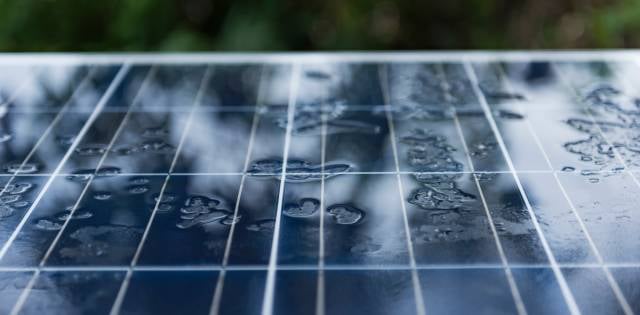
Solar panels are designed to be weather-resistant, but prolonged submersion in water can cause damage. Water can seep into the panel’s electrical components, leading to short circuits and reduced efficiency. Even panels that are marketed as waterproof may not withstand long-term exposure to floodwaters.
Impact on Electrical Systems
Flooding can also affect the broader electrical systems connected to your solar panels. Inverters, batteries, and other components are generally not designed to be submerged in water. If these parts are damaged, it can disrupt the entire photovoltaic (PV) system’s operation. Therefore, safeguarding these components is as important as protecting the panels themselves.
Preventive Measures
Elevated Installation
One of the most effective ways to protect solar panels from flooding is by installing them on elevated platforms. Roof-mounted solar panels are generally safe from flooding, but ground-mounted systems should be elevated to avoid water damage.
Waterproof Enclosures
Using waterproof enclosures for electrical components like inverters and batteries can provide an additional layer of protection. These enclosures are designed to keep water out, reducing the risk of damage during floods.
Regular Maintenance and Inspections
Regular maintenance and inspections can help identify potential vulnerabilities before they become significant issues. Checking for cracks, loose connections, and other signs of wear can ensure that your solar panels remain in good condition.
Flooding can significantly impact the strength and operation of solar panels. However, taking preventive measures and knowing how to respond in the aftermath can mitigate these risks.
By understanding these factors, business owners can better protect their investments and ensure their PV systems consistently contribute to energy independence. Your proactive approach will safeguard the efficiency and life span of the entire solar system.