4 Safe and Effective Ways to Dispose of Home Cooking Oil
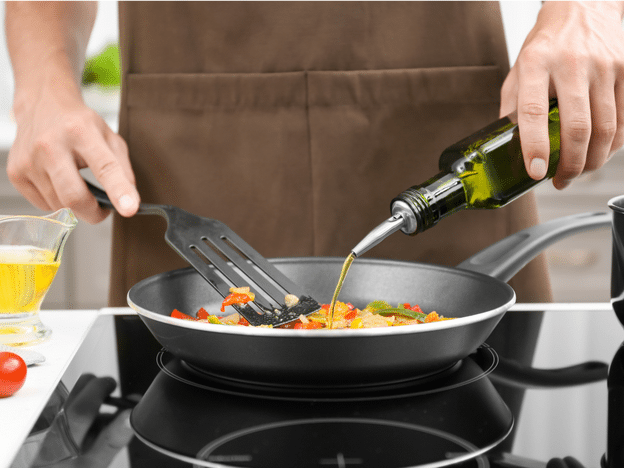
A lot of people think that pouring used cooking oil down the kitchen sink is not a big deal. After all, oil is still technically liquid, and when you’re done cooking a meal, you will be too tired to do anything else. With the kitchen sink just sitting nearby, dumping the used oil down can be pretty tempting.
Doing so may not seem like a big problem right now, but there will come a time when you’ll have to face the consequences of pouring cooking oil down your sink. It’s best to remember that even the most minor action can have a significant impact on your home’s environment and your overall health.
Why You Should Not Dump Cooking Oil Down the Sink
Oil and grease can be damaging to your kitchen sink. These can reach your plumbing system and cover your pipe walls, which is actually easy for cooking oil due to its viscosity.
Below are other reasons you should not throw cooking oil down the drain.
-
Sewer System Damage
If grease or oil finds its way to the sewer line, it can deposit chemicals in the area. Binding with other substances like debris and food particles can also take place, eventually forming what is known as a “fatberg.” These are large solid wastes that can block the flow of wastewater. They will need to be removed by a professional plumber using high-pressure water jets.
-
Damaged Pipes
Plumbers advise against pouring oils like canola and olive down the sink. These oil types are hydrophobic, meaning they don’t mix well with water and will only end up clogging your pipes.
-
Oil Solidification
Hot grease remains liquid even after you pour it down the sink. Once it cools, however, this will solidify and stick to the pipes.
It’s best to remember that anything heavier than water can get stuck under your sink instead of going further down the drainage system. This can produce a foul smell in the short term before causing pipe blockage.
-
Expensive Sink Repairs
Even if you pour cooking oil down the sink only once a week, a plumber in Colorado Springs said that its residuals can still create a thick coating that can damage your plumbing pipes. On the other hand, repeated oil dumping can produce more dangerous results. Apart from causing clogged pipes, it can destroy your kitchen sink to the point that this will have to be repaired, if not replaced. Needless to say, this will entail unwanted costs.
Effective and Safe Cooking Oil Disposal
Proper cooking oil disposal is important if you want to avoid clogged pipes and to cause sewage backups.
Below are safe and effective ways to dispose of used oil.
-
Use a grease disposal system when throwing away your used oil.
These disposal systems are available in grease-specific kits. They can effectively contain grease weighing at least two pounds. Additionally, the system provides you with the option to place the oil in a sealed container.
-
Get in touch with a local company that handles hazardous waste.
In various cities, several companies extend hazardous waste disposal services. Many of these companies offer multi-beneficial services, so your concern should be properly addressed. Find out if there’s one operating in your area and ask if it accepts used cooking oil products.
-
Combine your cooking oil with other solid waste materials.
Mixing oil with other materials is another creative way to dispose of it. Initially, you have to turn the liquid cooking oil into solid by mixing this with sand, sawdust, flour, or cat litter. These substances can quickly absorb liquids, including old cooking oil.
Once your oil has solidified, it’s best to have it frozen. Afterward, you can dispose of it in the normal way.
-
Place your cooking oil in a container and throw it out.
Cooking oil can be stored in a strong and durable container and tossed away like regular trash. Before doing this, however, you should ensure that the oil is completely frozen and the container is sealed tightly. Plastic containers are not recommended for use as they may not be strong enough to hold your used oil.
Key Takeaway
Cooking oil can appear to be a harmless kitchen item. This is partly why many people hardly care when throwing this away down the sink. Such an action, however, has dire consequences because cooking oil has certain properties that are not exactly safe.
Hot cooking oil, for example, can turn solid once it cools down. If the liquid cooking oil goes down the drain, it will eventually solidify and no longer move further toward the sewers. Instead, it will likely stick to the plumbing pipes and block the flow of water. On the other hand, if the oil manages to reach the sewer system, it can bind with other debris and form one massive block of waste. This can only mean a more serious problem affecting an entire city.