Key Factors to Consider When Designing a Commercial Building
The success of a commercial building hinges on a carefully crafted design. Beyond the obvious considerations of functionality and aesthetics, there are numerous factors that can significantly impact the building’s long-term value and performance.
In this blog, we will explore the key elements that influence the success of a commercial building design. From sustainability and accessibility to cost-effectiveness and adaptability, we’ll provide valuable insights to guide you through the construction process.
Location and Zoning
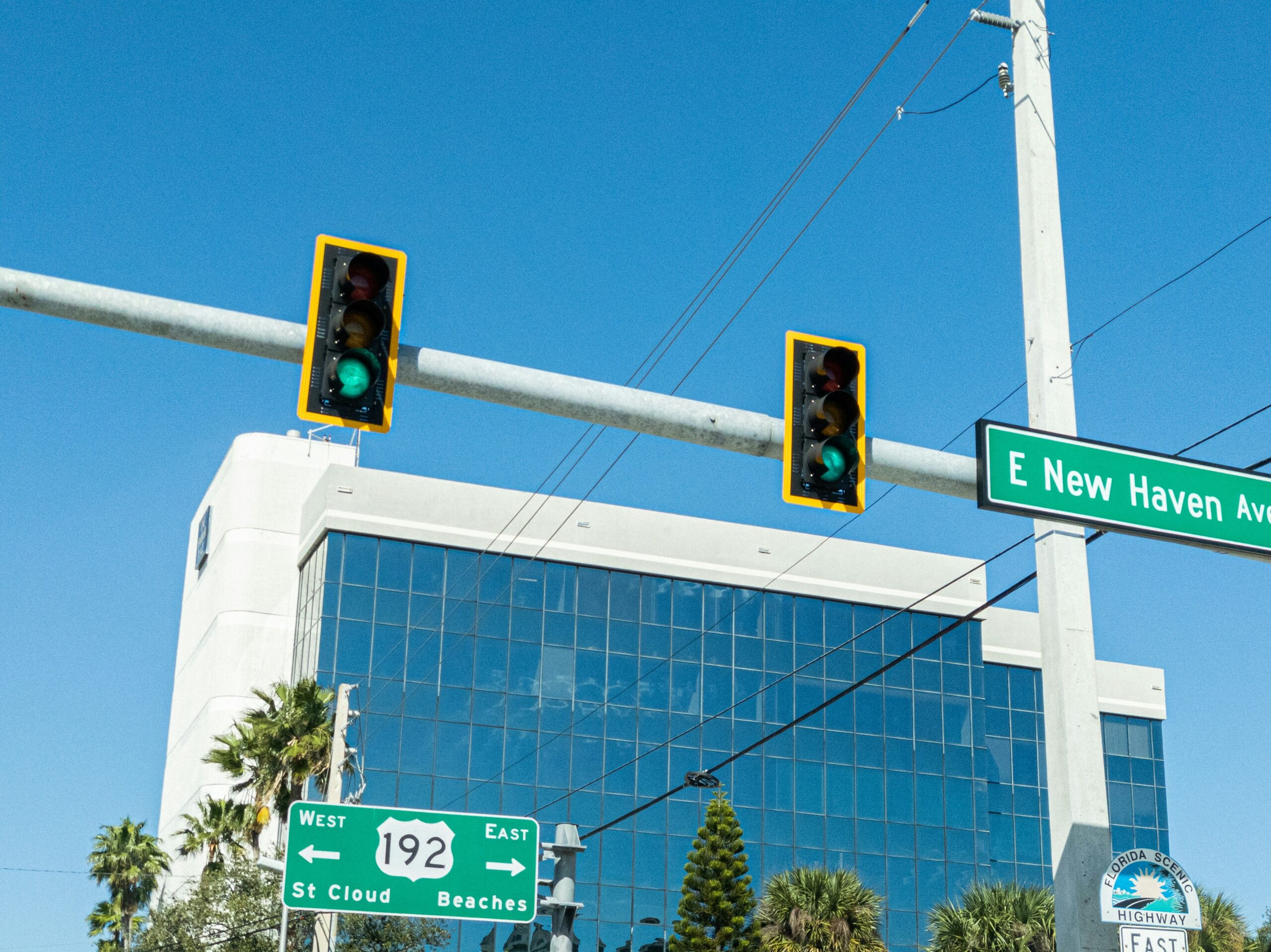
One of the first things to consider when designing a commercial building is its location. The building’s success depends largely on its accessibility for both employees and customers. A central, convenient location can make a significant difference in a business’s ability to attract clients and retain staff. Proximity to highways, public transportation, and essential services should all factor into the decision-making process.
Zoning regulations are equally important. Before any design work begins, it is essential to confirm that the intended use of the building complies with local zoning laws. These laws dictate how land can be used in specific areas, including the types of businesses permitted, building height limits, and required distances from other properties. Failing to adhere to zoning laws can lead to costly legal issues and delays, so it’s important to see to it that the location is suitable for the business’s needs.
Structural Integrity and Roofing
The structural integrity of a commercial building is integral to safety and long-term durability. This involves ensuring the foundation, walls, and roofing can withstand both daily use and external factors such as weather conditions. While all aspects of the structure are important, the roof, in particular, deserves special attention as it plays a key role in protecting the building from the elements.
Working with a reliable commercial roofing company can make a big difference in this aspect of the project. A professional roofing company can assess your design plans and recommend the best materials based on the climate and the building’s specific needs. By choosing a quality roofing system, you can make sure that your building remains well-protected from rain, snow, and other environmental factors, ultimately reducing long-term maintenance costs. A good roofing system can also help with insulation, reducing energy bills and improving overall comfort inside the building.
Energy Efficiency
In today’s construction industry, energy efficiency is more than just a trend—it’s a necessity. Businesses are becoming more conscious of their energy consumption, not only to reduce costs but also to align with sustainability goals. Designing a commercial building with energy efficiency in mind can significantly lower operating costs and reduce the building’s environmental impact.
There are several ways to improve energy efficiency in a commercial building. Installing energy-efficient windows, adding high-quality insulation, and using LED lighting are just a few examples. Natural light is another important factor. Large windows, skylights, and open spaces can help reduce the need for artificial lighting during the day. Incorporating renewable energy sources, such as solar panels, into the design can further reduce the building’s reliance on traditional energy sources.
Accessibility and Functionality
Accessibility is not only a legal requirement but also an essential consideration in commercial building design. The building must be accessible to everyone, including those with disabilities. This includes features such as ramps, elevators, accessible bathrooms, and wide doorways. Making sure that the building meets accessibility standards creates a welcoming environment for both employees and customers.
Functionality is another key factor. The design should focus on how people will use and move through the building. Efficient layouts that minimize wasted space can improve productivity and make the building more practical for its intended purpose. For example, a well-planned office layout can boost employee efficiency, while a thoughtfully designed retail space can enhance the customer experience. By prioritizing accessibility and functionality, the building can serve its occupants better.
Safety and Security
Safety is a non-negotiable factor in any commercial building design. The structure must comply with all safety codes and regulations to protect its occupants. This includes fire safety measures, emergency exits, and structural reinforcements to withstand natural disasters such as earthquakes or hurricanes. Fire alarms, sprinkler systems, and smoke detectors are critical components that must be integrated into the design.
Security is also an important consideration, particularly for businesses that house valuable equipment or sensitive data. Installing surveillance cameras, access control systems, and adequate lighting in parking areas and entrances can deter theft and vandalism. A safe and secure building not only protects the business’s assets but also provides peace of mind for employees and customers.
Incorporating smart building technologies further enhances safety and security in commercial spaces. Features such as automated emergency response systems, real-time occupancy monitoring, and remote access control allow for quicker reactions in crisis situations and more efficient building management overall. According to this local building company, these technologies also support energy efficiency and operational transparency, offering long-term value alongside improved protection
Sustainability and Eco-Friendly Materials
Sustainability is becoming a key focus in commercial construction as businesses and developers aim to reduce their environmental footprint. Incorporating eco-friendly materials and sustainable building practices into the design can improve the overall environmental impact of the project. These practices can include using recycled materials, installing energy-efficient windows, and incorporating water-saving fixtures.
Green building certifications, such as LEED (Leadership in Energy and Environmental Design), offer a framework for designing environmentally responsible and resource-efficient buildings. Eco-friendly materials, like reclaimed wood or recycled metal, can be both durable and attractive, making them a smart choice for long-term sustainability. Also, including green spaces, such as rooftop gardens or outdoor seating areas, can create a more pleasant environment for employees and visitors while supporting sustainability goals.
Budget and Cost Management
One of the most important considerations in any commercial construction project is budget management. A well-planned budget can keep the project on track and help avoid costly overruns. Setting a realistic budget from the start and maintaining clear communication with contractors and designers can help manage costs effectively throughout the project.
It’s important to consider both upfront and long-term costs when making decisions about materials, design features, and construction methods. While some choices may save money in the short term, they could lead to higher maintenance or operational costs down the line. By balancing initial costs with long-term savings, businesses can make more informed financial decisions.
Future Expansion and Flexibility
When designing a commercial building, it’s wise to consider the future needs of the business. Will the building be able to accommodate growth if the company expands? Can it take on new operations? Designing with flexibility in mind can save time and money in the long run. Ensure that the building can adapt to future changes without requiring major renovations.
Modular designs, movable walls, and adaptable floor plans are ways to make a building more flexible. These features allow businesses to easily reconfigure spaces as their needs evolve. Considering future expansion in the design phase ensures that the building will continue to serve the business effectively for years to come.
As you reflect on the design of your commercial building, consider how each choice will impact not just the present but the future of the business. A well-designed building is more than just a structure—it’s a space that supports growth, efficiency, and the well-being of those who use it. How adaptable is your design to the changes and advancements that the future will bring? Thinking ahead and prioritizing long-term value can set your business up for success, creating a space that evolves with your needs over time.