How Does the Rise of Online Gaming Affect Digital Currencies?
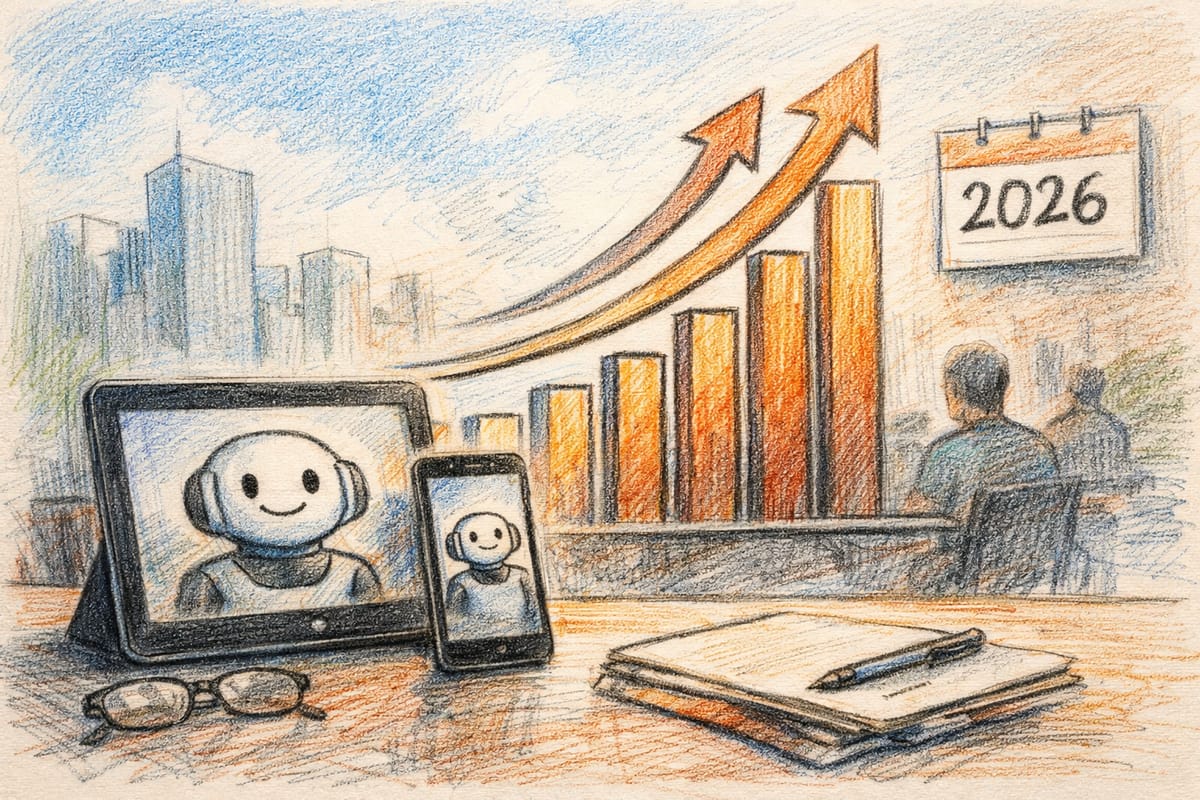
From being a niche hobby not too long ago, the online gaming world has grown to be a worldwide industry. It has millions of users and state-of-the-art technology and is already one of the most profitable businesses in history. At the same time, cryptocurrency, a kind of digital currency that replaced these previous instruments and has proven revolutionary for its financial offering and payment method. The result is a nexus of powerful forces that is shaping a new reality where the growth of online gaming affects digital currencies.
The Growth of Online Gaming
Online gaming has evolved from rudimentary browser games to massively multiplayer online games (MMOs) with intricate virtual economies. Steam, Xbox Live, and PlayStation Network are all places where players can connect with each other and spend money in these virtual worlds. Today the gaming industry is a fundamental part of global entertainment, with esports and streaming attracting more and more viewers every year. Like most of the online mainstream, the economy followed suit with advancements in the quality of games available for play.
Today, it is common for games to have microtransactions, downloadable content (DLC), or virtual currencies. Gamers spend billions of dollars on in-app purchases, skins, and land in the virtual world. Cryptos have been an obvious answer amidst the reality of doing borderless, inescapable transactions that are very quick and carried out securely.
Cryptocurrencies in Online Gaming
Bitcoin, Ethereum and stablecoins like USDT are already infiltrating the online gaming ecosystem. There are several uses of cryptocurrencies in the gaming sector, including:
Decentralization
Typically, cryptocurrencies are decentralized in nature and are not governed by any council, bank, or government. That way anyone from around the globe can then start conducting transactions, without banks or any middlemen needed.
Low Fees
Cryptocurrencies are Normally Cheaper than Credit Cards and PayPal Transactions. This last bit is terrific news for your freemium-loving international gamer who doesn’t want to have to convert their currency and all that other junk.
Security
It is relatively safe currently due to the blocking feature of the currencies. Every transaction will be recorded on a decentralized ledger that cannot be altered, unlike traditional ledgers. Thereby, making it much less susceptible to fraud. This gives users a secure gaming environment– especially for money-making games like Daman Game. As a result, many online gambling services have opted to adopt cryptocurrencies for payment.
Solutions from companies like BitPay and CoinGate allow their customers to buy products from games, subscriptions, and other goods with digital currency. At times, even whole games play into cryptocurrency economies, with users able to earn special tokens specific to that game and trade them publicly.
Fast Transactions
Because digital currencies are faster and transaction times can be instant, it has great potential for the online gaming industry with its players that demand seamless experiences. Given their centralized nature, traditional banking systems can be slow with transactional speeds.
Play-to-Earn and the Blockchain Revolution
Of the various areas of convergence that have evolved over time between online gaming and digital currencies this has to be one of the biggest upcoming innovations. Traditional games did not make players any money outside of purchasing games, skins, etc.
However, blockchain-based games allow for real value generation from playing. In particular, blockchain games like Axie Infinity and The Sandbox reward players with non-fungible tokens (NFTs) and native cryptocurrencies. The games themselves offer the ability to earn a virtual token. Players get these in return for completing tasks, winning battles, or exploring their virtual world. Gamers can then redeem these tokens for fiat currencies on cryptocurrency exchanges. Thus, giving them an added financial boost. The Play-to-Earn model has become very popular, especially in emerging markets, for people to make more from gaming than their traditional salaries.
In-Game Economies and Digital Currencies
In-game economies are becoming a more and more complex part of online games. For example, the virtual economies in established games like World of Warcraft are massive, with players trading goods and services. So, that’s all we have for you about how the rise of online gaming affects digital currencies. We hope that this guide has helped you.